A Decisive Shift in Strategy
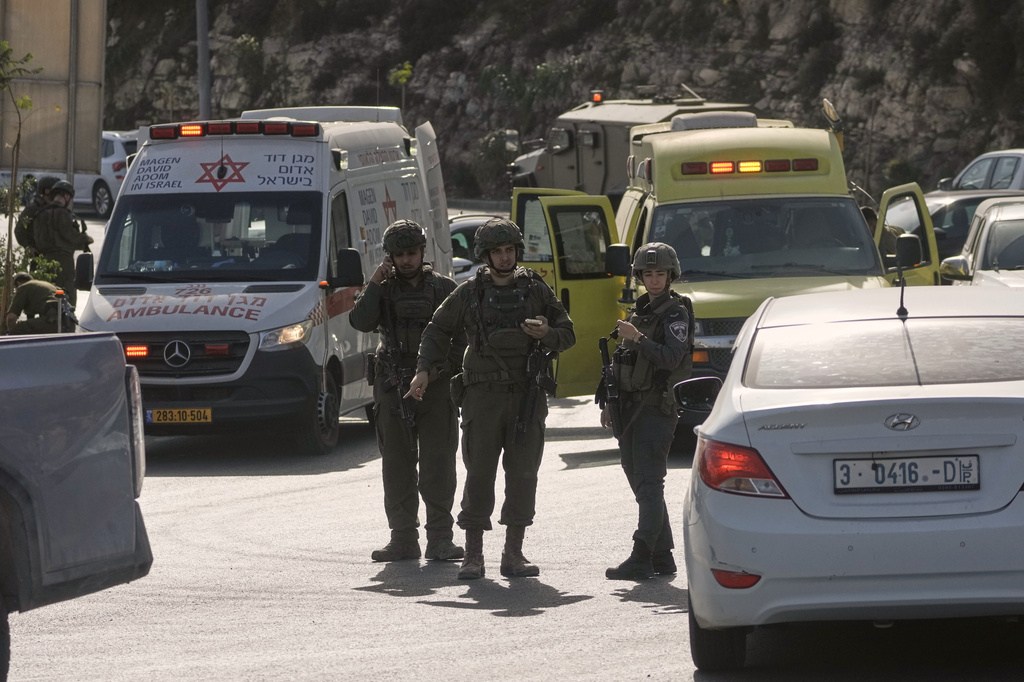
The tragic killing of two Israeli soldiers this past Friday has sent shockwaves through Jerusalem, serving as the immediate catalyst for Prime Minister Benjamin Netanyahu to threaten a full-scale incursion into the West Bank. For months, the region has been a hotbed of simmering instability, but the brazen nature of this attack has forced the Prime Minister’s hand to prioritize a aggressive search-and-seize campaign. Netanyahu’s rhetoric has been clear and uncompromising, emphasizing that Israel will no longer tolerate the escalating lawlessness that has turned the West Bank into a staging ground for coordinated assaults. By framing this potential operation as a necessary counter-terrorism measure, the Israeli government is attempting to restore a sense of security for citizens who fear the violence will spill over from the borders of Gaza and into the heart of the Palestinian territories.
The Diplomatic Tightrope
However, this strategic military posture arrives at a precarious moment for the U.S.-Israel alliance, which has been under intense pressure since the start of the current hostilities. The Biden administration, increasingly wary of the domestic political fallout surrounding the ongoing regional conflicts, has signaled a growing desire to see a de-escalation of kinetic military operations rather than an expansion of the battlefield. A large-scale incursion into the West Bank would inevitably put Netanyahu on a direct collision course with the White House, forcing American officials to choose between maintaining their traditional support for their closest Middle Eastern ally and ceding to the demands of the progressive wing of their party. This tension is further exacerbated by an election cycle where foreign policy blunders carry significant weight, and the administration’s tolerance for prolonged, high-intensity conflict appears to be at an all-time low.
Regional Instability and Future Projections
The broader implications of such an escalation cannot be overstated, as the West Bank is a volatile environment where any misstep by the IDF could spark a wider uprising. Should Netanyahu proceed with a full-scale intervention, he is gambling not only on his military’s capability to swiftly neutralize threats but also on his ability to hold together a fragile coalition of international support that is rapidly losing its patience. The political and social significance of this move extends far beyond the borders of the Middle East, representing a critical test of whether the traditional post-Cold War security architecture still holds any sway in an increasingly fractured global landscape. If the U.S. distances itself in response to a West Bank campaign, it would fundamentally redefine the nature of the strategic partnership and leave Israel in a position where it must navigate a hostile, shifting regional power balance with significantly diminished diplomatic cover.