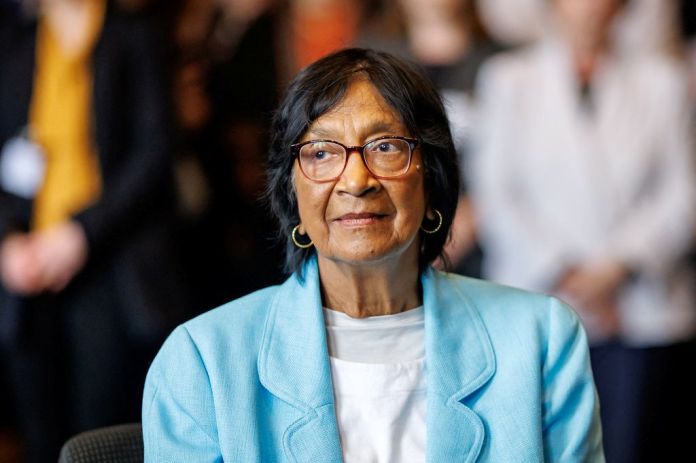
A Tainted Award? The Controversy Surrounding Navi Pillay
The Nobel Peace Prize has long been considered a beacon of global humanitarian achievement, but the 2024 selection of Navi Pillay has ignited a firestorm of moral outrage. Almost immediately after the announcement, a high-ranking United Nations whistleblower accused the 85-year-old former U.N. High Commissioner for Human Rights of a calculated failure to address the systemic persecution of Uyghur Muslims. Critics argue that Pillay’s tenure was marked by a deliberate avoidance of confronting the Chinese Communist Party, effectively granting Beijing a pass while the regime engaged in what many international observers describe as a campaign of genocide. This allegation casts a long, dark shadow over the Nobel Committee’s decision, raising serious questions about the integrity of the prize-awarding process and whether political optics are now being prioritized over actual human rights protection.
Ignoring the Suffering of the Vulnerable
Evidence surfaced following the announcement suggesting that internal warnings regarding the forced labor camps and "re-education" facilities in Xinjiang were systematically ignored or sidelined during Pillay’s leadership. The whistleblower’s testimony alleges that reports detailing the scale of the atrocities were stifled to appease Beijing’s diplomatic influence at the United Nations. Such actions, if true, represent a catastrophic dereliction of duty for an official tasked with safeguarding global civil liberties. Instead of championing the oppressed, the accusations suggest a pattern of bureaucratic deference that prioritized diplomatic relations with a global superpower over the lives and freedoms of a persecuted minority. This revelation has left many questioning how an official accused of such profound moral failures could be bestowed with the world's most prestigious peace award.
A Broader Failure of Global Institutions
This scandal serves as a stark reminder of the chronic rot within international institutions that claim to protect human rights while frequently bowing to authoritarian pressure. The incident involving Navi Pillay is not merely an isolated case of individual failure; it reflects the deep-seated ideological capture of the United Nations by hostile regimes. As the global order faces increasing challenges from state-sponsored human rights abuses, the credibility of bodies like the U.N. continues to erode when those who oversee them appear more concerned with navigating political headwinds than standing for fundamental truth. The fact that the Nobel committee failed to perform basic due diligence on such a contentious figure suggests that the international establishment is largely disconnected from the harsh realities faced by victims of totalitarianism. Ultimately, this episode demands a full-scale investigation into the internal culture of the U.N., as accountability remains the only path forward to restoring the dignity and mission of international human rights advocacy.


