A Grave Infrastructure Threat
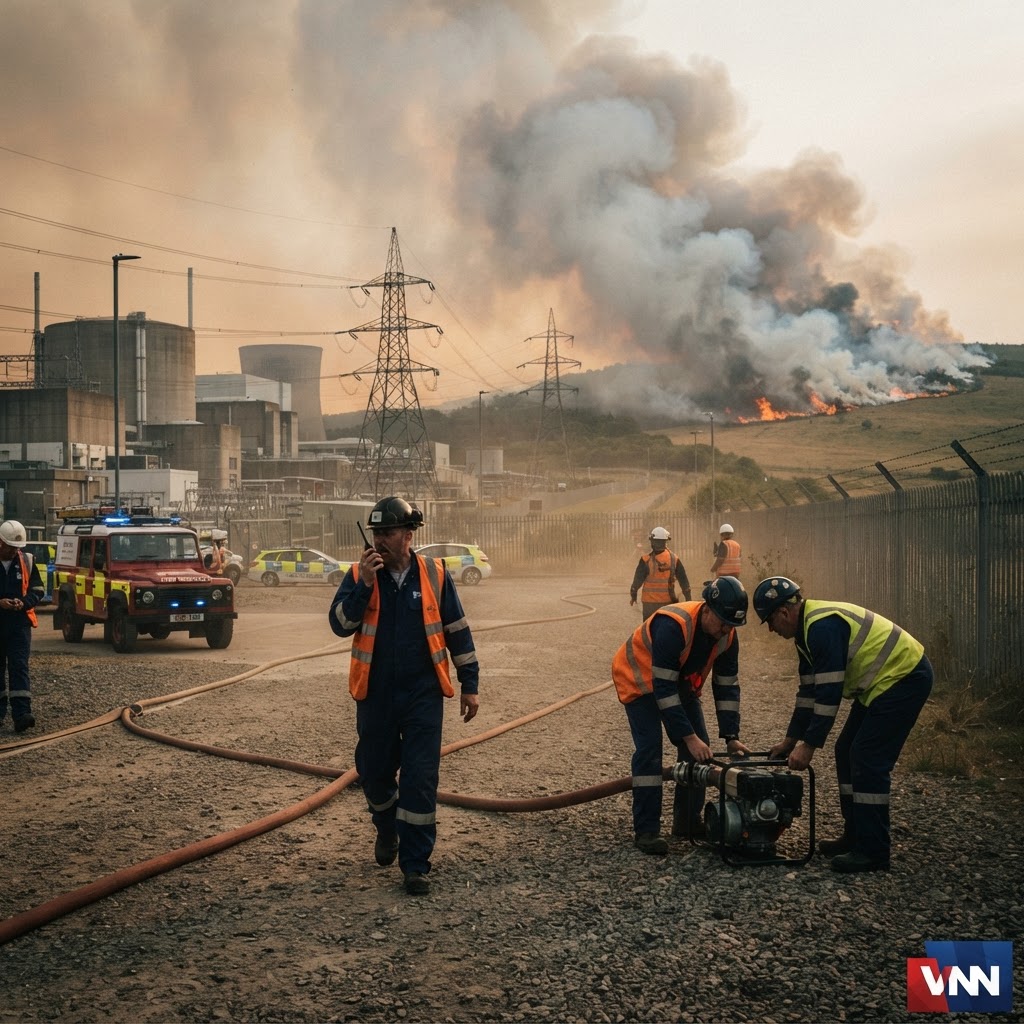
The specter of energy catastrophe has gripped the United Kingdom this week as an expanding wildfire pushes dangerously close to a primary nuclear power installation. Authorities have elevated the facility to a high-alert status, implementing emergency containment protocols as ground crews and aerial support battle the encroaching flames. The proximity of such a significant source of the nation's baseload power to an uncontained environmental disaster highlights the fragility of the current energy infrastructure grid in the face of climate volatility. Despite assurances from site operators regarding the resilience of the containment structures, the sheer scale of the inferno has forced local emergency services to prepare for worst-case scenarios involving potential operational shutdowns to protect public safety and system integrity.
The Filtration Crisis and System Reliability
Beyond the direct threat of physical combustion, engineers are increasingly concerned about the atmospheric implications of the blaze. The primary danger to the plant's operational capacity involves the potential for massive quantities of dense particulate matter and smoke to clog the facility's air intake and filtration systems. Should these complex systems be overwhelmed by the soot-heavy air, operators would be forced to conduct an emergency power down, a process that could trigger significant instability across the regional power grid. This technical vulnerability exposes a profound weakness in how modern utility providers account for localized environmental hazards, sparking a heated debate among energy policy experts about the necessity of increased buffer zones around critical national infrastructure to prevent catastrophic failures during extreme weather events.
The Strategic Imperative for Energy Security
This incident serves as a stark reminder of the broader political and social significance of energy security in an era of global uncertainty. While climate activists frequently use such incidents to push for radical transitions, the reality is that the U.K. remains critically dependent on these reliable baseload sources to maintain the standard of living for millions. If policymakers continue to prioritize idealistic green initiatives over the robust hardening of existing, proven power plants, the public will be left increasingly susceptible to avoidable blackouts during natural disasters. The defense of our power grid against environmental threats is not just a logistical necessity; it is a matter of national sovereignty and economic survival that requires immediate legislative attention to ensure that energy independence is not compromised by a failure to prepare for the growing threat of large-scale wildfires.