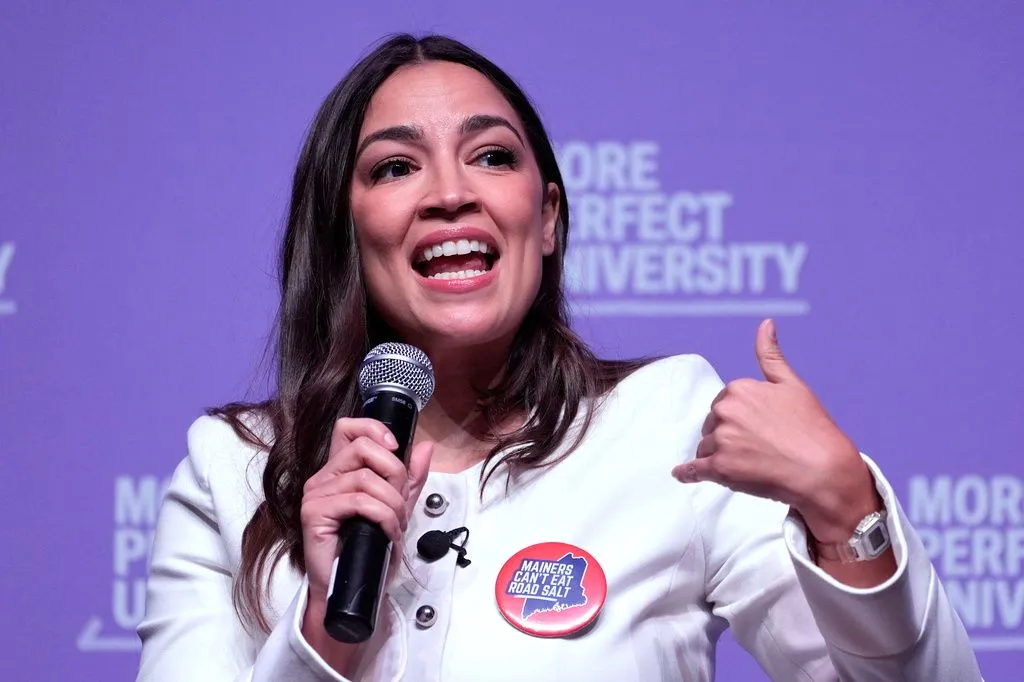
A Shift Toward Radicalism In a clear sign of the growing influence of the far-left faction within the Democrat party, the New York City chapter of the Democratic Socialists of America (DSA) officially voted on Saturday to endorse a presidential run for Rep. Alexandria Ocasio-Cortez in 2028. The resolution serves as a formal declaration of intent, with local organizers signaling that they aim to mobilize their grassroots machinery to pull the mainstream Democratic party further toward socialist economic policies. By formally drafting the Congresswoman, the NYC DSA is making a calculated bet that the future of the American left lies not in the center-left pragmatism favored by traditional establishment Democrats, but in the radical, redistributive ideology that Ocasio-Cortez has championed since she first took office in 2018. ## Challenging the Establishment The move to draft Ocasio-Cortez represents a direct challenge to the party hierarchy and underscores the widening rift between the coastal socialist elites and the American working class. While Ocasio-Cortez has maintained her popularity within the activist base through viral social media moments and high-profile legislative grandstanding, her brand remains deeply polarizing to the broader electorate in critical swing states. Critics argue that the DSA’s obsession with a presidential bid only serves to isolate the Democratic party from middle-of-the-road voters who remain wary of the 'Green New Deal' and other expansive government programs that would drastically overhaul the American economy. As the DSA attempts to build what they describe as the necessary conditions for a competitive campaign, the establishment is forced to contend with an increasingly loud and organized wing that shows little interest in the moderation required to win a national general election. ## The Broader Political Implications The decision to target the 2028 cycle this early suggests that socialist groups are moving past mere ideological signaling and into the realm of long-term strategic campaigning. By placing the focus on a figure as recognizable as Ocasio-Cortez, these groups hope to ignite a national conversation that centers on income inequality, systemic government expansion, and the complete dismantling of current healthcare structures. This effort is likely to trigger a chaotic internal primary battle, forcing more traditional candidates to respond to radical demands while exposing the extreme direction in which the modern left seeks to steer the country. As the American public watches this internal power struggle unfold, the debate over the future of the nation’s governance will inevitably hinge on whether the electorate desires a return to individual liberty and constitutional oversight or the top-down, state-managed future promised by the DSA and their high-profile champion.