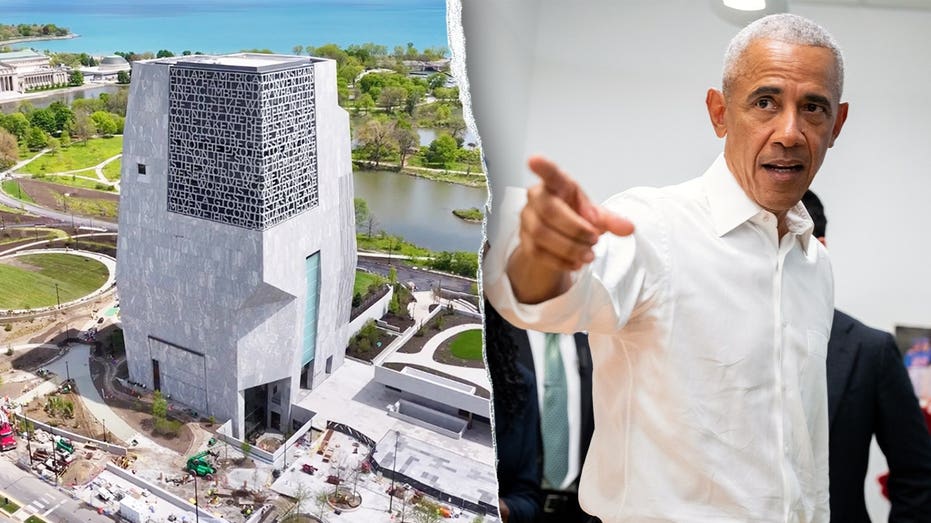
The Promise and Reality of the Obama Presidential Center
The grand vision behind the $850-million Obama Presidential Center is to serve as a catalyst for economic growth and revitalization in Chicago's South Side. However, for many residents, this promise is clouded by fears of gentrification and displacement. Pastor Corey Brooks, a notable community leader, articulated this concern plainly when he mentioned, "The center may look good on paper, but for those of us living here, it represents a threat to our homes and livelihoods."
Rising Rents and Displacement Fears
As plans for the center progressed, so too have the fears among South Side residents regarding skyrocketing rents. Many are concerned that the influx of investment will cater primarily to wealthier newcomers, sidelining the existing community. Pastor Brooks highlighted the pressing issue of affordability, emphasizing that longtime residents feel precarious in their own neighborhoods. Gentrification, he warns, is not just an economic shift but a cultural erosion that could strip the South Side of its traditional identity, urging local leaders to consider the ramifications of their decisions.
A Broader Political Narrative
This scenario encapsulates a broader political narrative seen across urban America, where revitalization projects often lead to displacement rather than hope for existing residents. The juxtaposition of elite investment against community displacement echoes across several cities facing similar dilemmas. While supporters of the center claim it will create jobs and attract tourism, critics argue that without substantial protections for local residents, such initiatives might only exacerbate existing inequities. As Pastor Brooks reflects, "We need more than just promises; we need action that preserves our communities alongside any development."
In conclusion, the Obama Presidential Center stands as a potent symbol of the dual-edged sword of urban renewal. While it aims to provide hope and prosperity, the community’s fears highlight the delicate balance between growth and displacement. Moving forward, policymakers must confront these significant concerns and ensure that revitalization efforts do not come at the expense of the very communities they intend to uplift.


