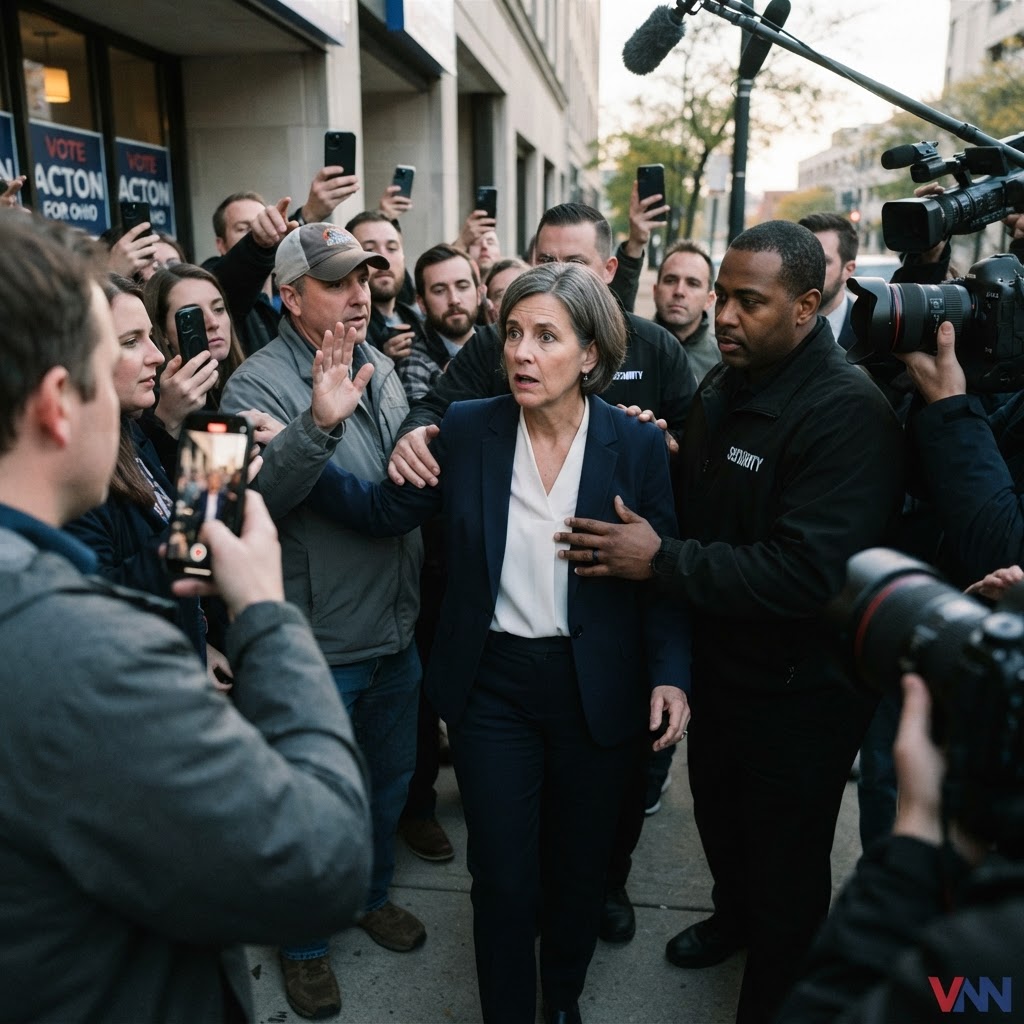
Disturbance at the Campaign Trail
Ohio gubernatorial candidate Amy Acton, formerly known for her controversial tenure as the state’s health director, was reportedly assaulted during a campaign event this past Sunday. Details remain sparse as police continue to investigate the nature of the confrontation, but reports indicate that the incident disrupted an afternoon gathering of her supporters. While the campaign has attempted to downplay the severity of the scuffle, eyewitness accounts suggest that tensions reached a breaking point during a heated exchange between the candidate and an unidentified individual. This event highlights the increasingly volatile environment surrounding high-stakes political campaigns as candidates crisscross the state to secure votes ahead of a crowded primary season.
A Polarizing Political History
Acton’s political career has never been far from the spotlight, largely due to her expansive use of executive authority during the COVID-19 pandemic. Many Ohioans remember her as the face of severe lockdown policies that crippled small businesses and sidelined the state economy for months, creating a deep-seated resentment that persists among conservative voters today. While her supporters view her as a champion of public health, her critics in the business community and the freedom-minded electorate have never forgotten the heavy-handed mandates that forced closures and stifled personal liberty. This recent altercation serves as a potent reminder that, for many voters, the grievances stemming from those mandates remain an open wound, making Acton one of the most polarizing figures in the current gubernatorial race.
The Rising Cost of Political Polarization
Beyond the specific details of this alleged assault, the incident underscores a broader, systemic trend of rising political instability across the United States. When candidates and public figures are met with hostility rather than robust debate, it signals a breakdown in the civil discourse that serves as the foundation of our democratic process. The Republican party has consistently condemned political violence in all forms, urging that the way to defeat progressive policy agendas is through the ballot box and rigorous, issue-based argumentation. As this investigation proceeds, Ohioans are left to grapple with the reality that their state’s political discourse is becoming increasingly fractured, potentially setting a concerning precedent for the remainder of the election cycle.


