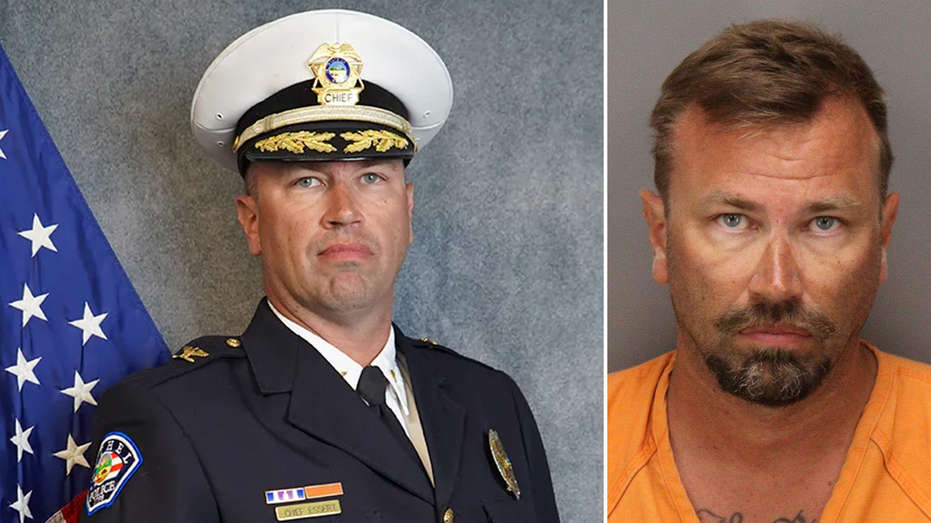
## Arrest Details Chad Essert, the chief of police in Kenova, Ohio, has been arrested in connection with a staggering 70-count indictment for alleged sexual crimes involving a minor. Authorities in Florida apprehended Essert, who faces an array of grave charges, including sexual battery and exploitation of a child. Reports indicate that the grand jury's decision to indict comes as authorities responded to disturbing allegations that sparked investigations across state lines. The legal ramifications are immense, as the charges could lead to a lifetime behind bars with potential sentences amounting to 280 years if he is convicted on all counts.
## Community Reaction This shocking revelation has left the Kenova community and the law enforcement sector at large reeling. Many local residents expressed disbelief that a police chief—who is sworn to uphold the law and protect the community—could be involved in such heinous acts. A local resident stated, “It’s hard to understand how someone in that position could commit such crimes. It makes us question our safety and trust in law enforcement.” Essert's arrest underscores a critical need for transparency and accountability among those in public service positions.
## Broader Implications This case raises pressing concerns about the integrity of law enforcement institutions and the potential for abuse of power in positions of authority. The charges against Essert mirror a growing trend of accountability in governance, specifically pertaining to those sworn to uphold the law. As investigations continue, many are looking toward policy reform to ensure that similar incidents are identified and addressed promptly in the future. This situation serves as both a stark reminder and a call to action; we must demand greater oversight to protect our most vulnerable populations from abuses by those tasked with their safety.
The indictment has also sparked discussions about the vetting processes in law enforcement agencies nationwide. As the legal proceedings unfold, the community and the public will be closely watching how jurisdictions respond and uphold their commitment to justice and transparency. Justice must prevail, not only for the alleged victims but also for the credibility of law enforcement institutions that are vital to society's fabric.