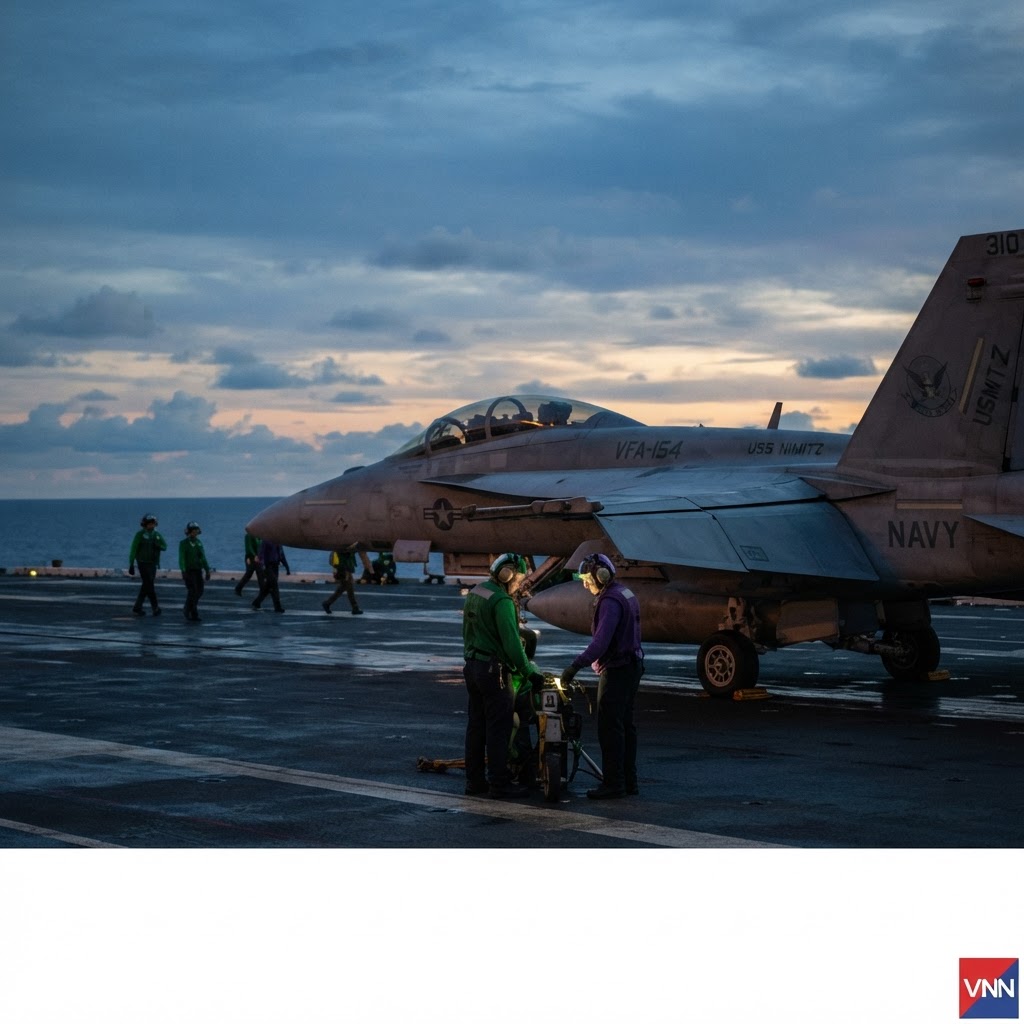
A Strategic Shift in the Middle East
For thirteen consecutive nights, the United States military demonstrated unprecedented resolve by systematically dismantling infrastructure utilized by Iranian proxies across the region. This campaign, which targeted command-and-control centers, munitions depots, and training facilities, served as a clear message that the days of unchecked regional aggression are coming to a definitive end. However, as the sun rose on Saturday morning, Central Command confirmed a notable absence of new strike reports from the previous evening. This operational pause suggests a potential shift from active kinetic engagement to a phase of diplomatic assessment, a move that aligns with President Trump’s long-standing preference for 'peace through strength.' By establishing a clear threshold of pain, the administration has successfully signaled that the United States will not tolerate the harassment of its personnel or interests abroad.
Diplomacy Behind the Curtain
President Trump signaled on Saturday that the cessation of hostilities is not indicative of weakness, but rather a calculated opening for necessary dialogue. Sources close to the White House suggest that behind-the-scenes channels have been highly active throughout the past two weeks, utilizing the threat of sustained military action to bring adversaries to the negotiating table. This approach forces rogue actors to recognize the high cost of continued provocation while providing them a narrow window to de-escalate before further force is applied. While critics of the administration often deride these unconventional methods, the current tactical silence on the front lines speaks to the efficacy of applying maximum pressure to secure long-term stability without becoming entrenched in a perpetual, open-ended conflict.
The New Reality of U.S. Deterrence
The broader significance of this pause cannot be overstated as it reflects a fundamental realignment of American foreign policy objectives. Moving away from the hesitant, policy-by-committee approach of previous administrations, the current stance is defined by predictable toughness and the credible threat of decisive action. By reasserting regional hegemony, the United States is working to restore a balance of power that has been dangerously eroded by years of appeasement. Moving forward, the international community will be watching closely to see if the regime in Tehran chooses to respect this new reality or if they will foolishly invite further intervention. Ultimately, this period of calm serves as a critical test for whether diplomatic leverage can finally succeed in securing a lasting peace in one of the world's most volatile corridors.


