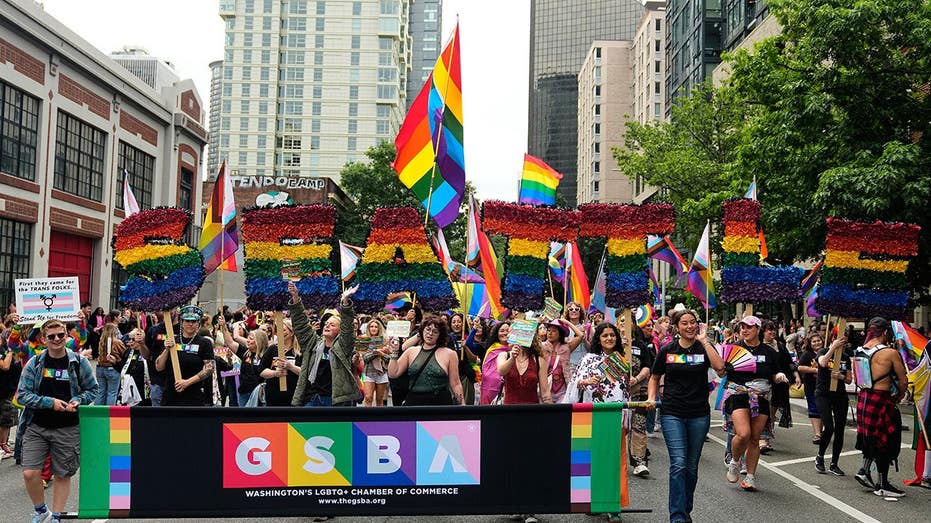
Seattle’s Pride celebration recently became a focal point of controversy as reports emerged of participants marching in the nude in front of families, including children. The event, typically a celebration of LGBTQ+ rights and community, took a turn that many attendees say they were unprepared for. Not only did this display contradict the commonly accepted standards of public decency, but it also placed parents in a difficult position, confronting their children with nudity in what should have been a festive atmosphere.
Eyewitnesses describe the scene at the parade as chaotic and disorienting, with some families choosing to leave rather than expose their children to such extreme expressions of freedom. 'We came to celebrate, not to shield our kids from nudity,' said one mother who attended the event. This reaction reflects a growing concern among parents about what is deemed appropriate for children in public spaces, especially during events that are ostensibly intended to promote inclusivity.
The incident raises crucial questions about Washington's indecent exposure laws, which prohibit public nudity except in designated areas. Critics argue that the actions seen during the parade could fall under this definition and should warrant legal scrutiny. 'There’s a fine line between self-expression and public decency, and it seems this event crossed it,' stated local conservative activist James Brown. This situation may ignite discussions among lawmakers and advocacy groups who seek to address the balance between freedom of expression and protecting community standards.
As society grapples with the implications of such public displays, this incident serves as a catalyst for broader conversations surrounding parental rights, public decency, and the responsibilities of event organizers in ensuring a family-friendly atmosphere. It also echoes the ongoing national discourse about what's deemed acceptable in public spaces, especially when children are involved. The Seattle Pride parade, which should have been an environment of joy and affirmation, instead ignited a fierce debate about the moral fabric of our society and the regulations governing public behavior.


