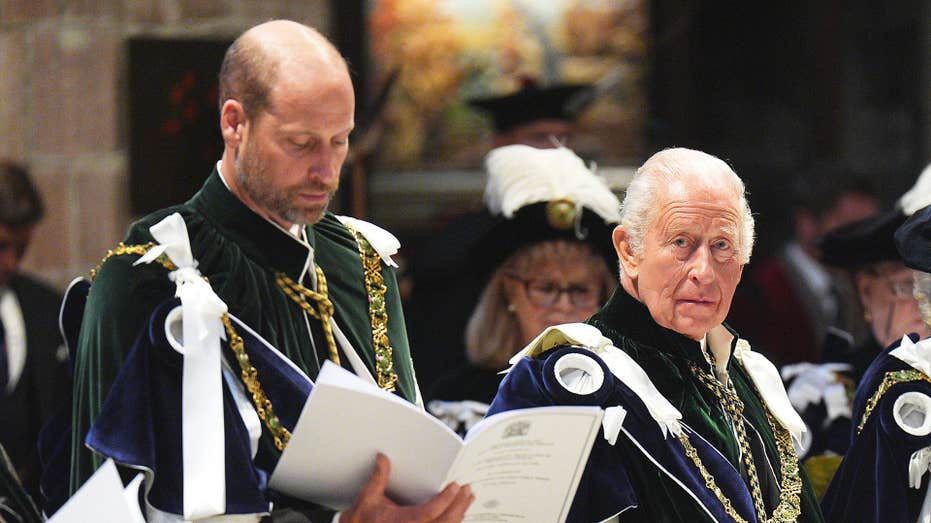
A Royal Rift Reopened
The tranquility of Buckingham Palace has been shattered this week following explosive new claims from Charles Spencer, the younger brother of the late Princess Diana. In his latest commentary, Spencer has leveled sharp accusations regarding the orchestration of the 1997 funeral, suggesting that the royal family manipulated the proceedings in a way that remains a source of deep pain for the Spencer family. Palace insiders, speaking on condition of anonymity, report that King Charles and Prince William are absolutely 'furious' at this public dredging of the past. For a monarchy that has spent decades attempting to modernize its image and move past the controversies of the 1990s, these allegations represent a significant setback in maintaining the dignity and unity of the Crown.
The Cost of Public Airing
Critics of the decision to publicize these internal disputes argue that Spencer is failing to respect the privacy and emotional stability of a family currently navigating the pressures of the modern era. The relationship between the Spencer family and the Windsors has been fraught with tension for years, but this latest escalation marks a turning point in public discourse. Observers note that Prince William, who has long been protective of his mother’s legacy, is particularly unsettled by the narrative being spun. By choosing to voice these complaints now, the move forces the Royal Family into a defensive posture, distracting from their official duties and reviving a period of instability that many had hoped was firmly behind them.
The Tradition of Accountability
At its core, this ongoing drama highlights the fundamental tension between individual family narratives and the expectations placed upon an institution that belongs to the public. While the desire for catharsis and truth is understandable, the timing and venue of Spencer’s remarks have led many to question the motives behind the reopening of these emotional scars. As the Monarchy faces an increasingly cynical media landscape, these internal fractures are magnified, potentially damaging the institution's standing with the British public. Ultimately, the stability of the Crown is often tested by these interpersonal conflicts, and the inability to resolve such grievances privately speaks to a broader breakdown in traditional royal decorum that has characterized the Windsor family for generations.