A Father’s Final Goodbye
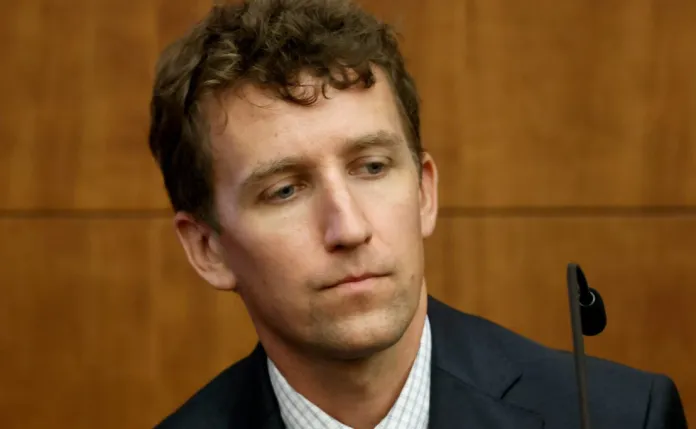
In a gripping and deeply emotional interview on 60 Minutes this past Sunday, Patrick Clancy finally broke his public silence regarding the devastating tragedy that claimed the lives of his three children. Sitting down with Ross Douthat, Clancy provided a harrowing timeline that corrected the public record, revealing that his youngest son, Callan, did not perish during the incident on January 24, 2023, but actually succumbed to his injuries days later while being held in his father's arms. This revelation offers a stark, raw perspective on the irreparable damage inflicted upon a household, shifting the narrative from a cold courtroom report to the lived reality of a father forced to navigate an unfathomable nightmare while the public scrutinized his life and his marriage.
The Failure of Justice
For many observers, the interview served as a reminder of the unsettling circumstances surrounding the mistrial in this high-profile Massachusetts case. As the legal proceedings ground to a halt, leaving many questions unanswered, Clancy’s testimony highlights the inadequacy of the judicial process when faced with such profound domestic catastrophes. The tragedy has ignited intense debates regarding mental health accountability and the legal protections afforded to those who commit unthinkable acts against their own kin. While the defense pointed toward severe mental health struggles, the moral imperative for justice remains a primary concern for a public increasingly wary of judicial leniency in cases involving the ultimate betrayal of parental duty.
Societal Implications and Reflections
Beyond the individual grief of Patrick Clancy, this story illuminates a broader, disturbing trend in American society where the sanctity of the family unit is increasingly threatened by a culture that struggles to balance clinical diagnoses with personal responsibility. The public's desire for closure, which currently remains elusive due to the botched legal outcome, reflects a yearning for a legal system that prioritizes the lives of the innocent over the mitigation of the accused. As we reflect on the Clancy family tragedy, it serves as a solemn call for society to re-evaluate how we handle such cases, ensuring that compassion for the afflicted does not overshadow the fundamental need for truth and the protection of our most vulnerable citizens.