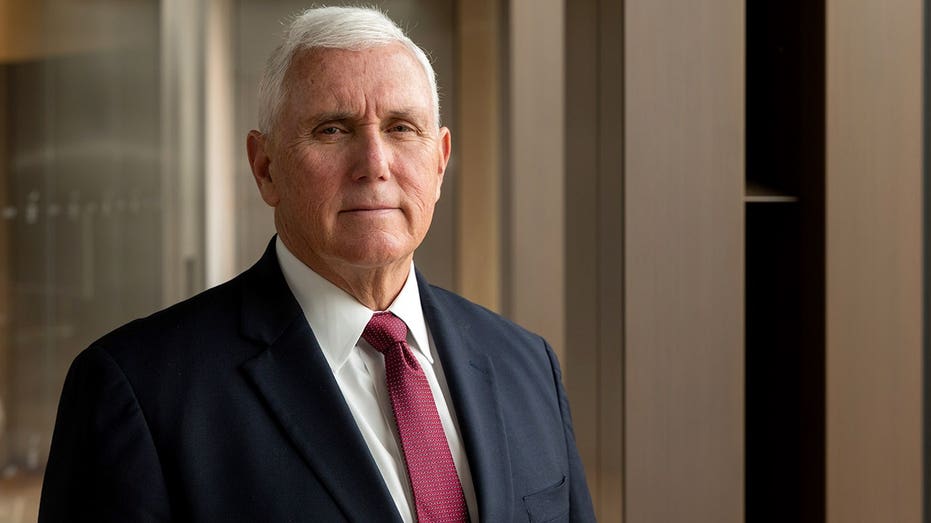
Former Vice President Mike Pence has not held back in his condemnation of the new Iran agreement, stating it represents a dangerous form of appeasement reminiscent of failed policies from the past. In a recent interview, Pence emphasized that the agreement 'falls well short of what is required to end the Iranian threat,' igniting a fierce discussion among conservatives regarding U.S. foreign policy and national security. His comments come amid rising tensions in the Middle East and ongoing fears surrounding Iran's nuclear ambitions.
Pence's critique highlights significant discrepancies between the strategies of the Biden administration and previous policies implemented during the Trump era. While President Trump prioritized maximum pressure through sanctions and a hardline stance against Iran, Pence argues that current negotiations have lowered the bar for accountability. 'We cannot forget that Iran continues to be the leading sponsor of terrorism worldwide, and this agreement only serves to strengthen their position,' he remarked. Such assertions reflect a broader conservative concern that diplomatic efforts may embolden adversaries rather than discourage aggressive behaviors.
Further complicating the Biden administration's diplomatic efforts is the evolving geopolitical landscape, particularly the Iranian regime's persistent advancements in missile technology and uranium enrichment. Pence framed the agreement not only as inadequate but also as a direct threat to U.S. allies in the Middle East, notably Israel. 'The survival of Israel and the security of our nation rests upon our ability to confront these challenges decisively,' he stated, compelling a call to action among conservatives who rally behind a firmer stance on Iran.
In a larger context, Pence's remarks encapsulate a growing unease among conservatives regarding the current administration's foreign policy direction. As deliberations around the agreement continue, many on the right view securing a strong, unified response as crucial for maintaining America’s position as a global leader. The implications of this agreement extend far beyond mere negotiations; they raise critical questions about national security and America's commitments on the international stage.