The Erosion of Courtroom Sanctity
The declaration of a mistrial in the case of Lindsay Clancy, who admitted to the horrific killings of her three young children, serves as a grim warning about the dangers of the 'Courtroom Influencer' era. After a single juror held out against a unanimous verdict, defense attorney Kevin Reddington immediately moved to influence the public narrative by casting aspersions on the juror’s character. By suggesting the holdout was motivated by bigotry against the disabled rather than a moral refusal to excuse the murder of innocents, the defense signaled a shift toward performative litigation. When trials are broadcast to a global audience, defense teams are no longer just arguing for a client; they are performing for a digital peanut gallery, knowing that a carefully curated narrative can be more effective than the actual evidence.
The Cost of the Spectacle
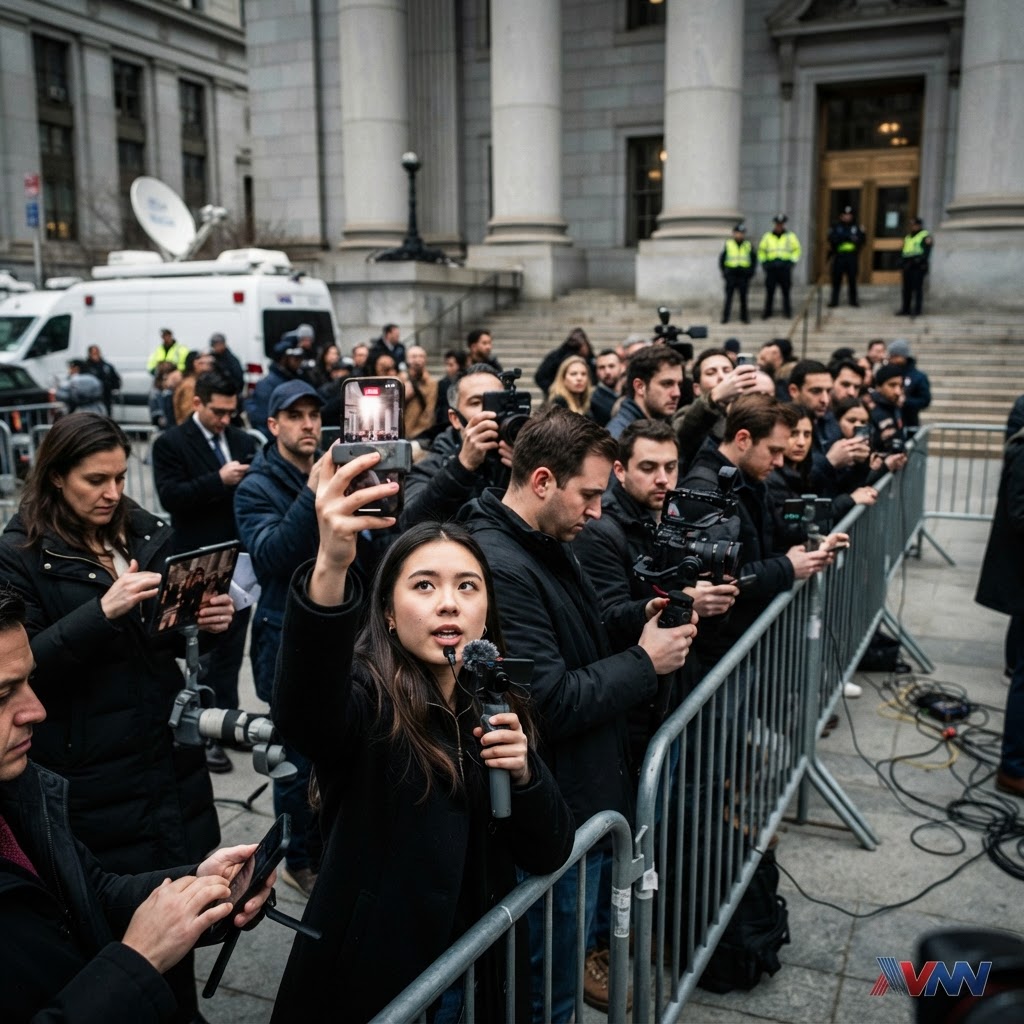
Legal professionals are increasingly weaponizing the transparency provided by livestreamed proceedings to bypass traditional jury selection protections and appeal directly to the court of public opinion. This trend emboldens lawyers to engage in inflammatory rhetoric, effectively turning serious judicial matters into social media content designed to generate viral outrage or sympathy. By turning the courtroom into a stage, these attorneys jeopardize the integrity of the judicial process, as jurors are forced to navigate not only the law but the shadow of public scrutiny. The duty of the court is to ensure justice is served for victims and society, yet the quest for 'clicks' and public validation threatens to replace the scales of justice with the whims of internet popularity.
A Threat to the Rule of Law
This trend represents a broader cultural malaise where the pursuit of truth is secondary to the framing of personal narratives. As legal professionals prioritize their digital presence, the sanctity of our courtrooms faces unprecedented pressure to conform to the aesthetics of modern activism and identity politics. We are witnessing a decay in the traditional expectations of legal ethics, where the objective search for facts is being supplanted by a desire to dominate the media cycle. If the legal profession continues to prioritize theatrical grandstanding over the solemn weight of the law, the public’s faith in the American judicial system will continue to fracture, leaving our institutions vulnerable to the volatile whims of a hyper-polarized digital society.