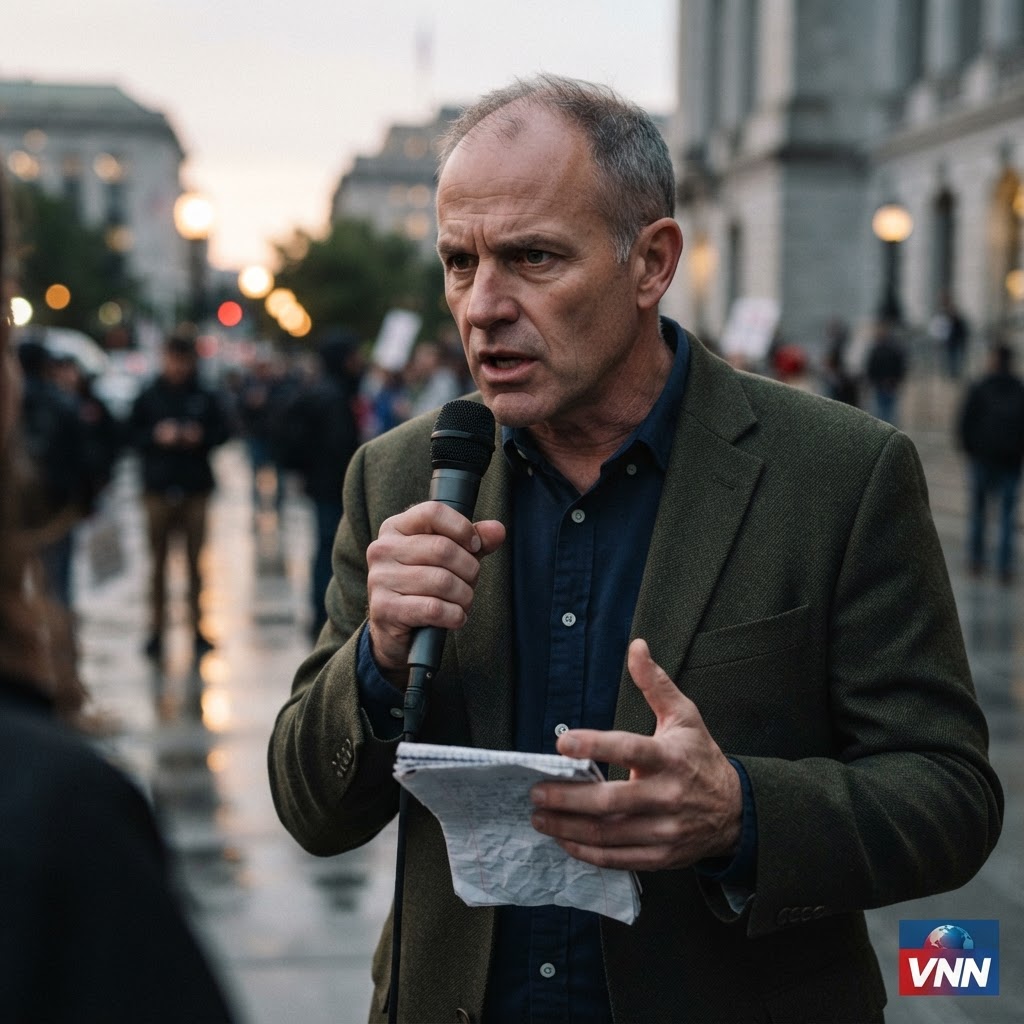
A Warning from the Frontlines of Faith
Luka Binniyat, a brave Nigerian journalist who spent over 80 days in a hostile prison environment for the crime of reporting on the systemic persecution of Christians, has issued a sobering wake-up call to the American public. Binniyat’s harrowing five-year legal struggle in Nigeria—a nation where radical groups have operated with alarming impunity—stands as a stark testament to the consequences of silence when religious freedom is under siege. He asserts that the tactics used to silence dissent and erode the rights of religious minorities abroad are being mirrored in the West, as activists and radical ideologies push for the institutionalization of Sharia law. Binniyat maintains that what he witnessed in his homeland is not an isolated phenomenon but rather a blueprint for cultural and legal displacement that Americans must actively resist if they wish to preserve their own heritage of free speech and religious liberty.
The Erosion of Western Defenses
During his public appearances following his release, Binniyat emphasized that the encroachment of Sharia does not always begin with violence; it often begins with the subtle infiltration of academic, political, and cultural institutions designed to demoralize a society. By framing his warnings through the lens of a survivor, he challenges the 'cultural relativism' that permeates much of the American academic establishment, arguing that this refusal to acknowledge the dangers of extremist ideology is a form of self-sabotage. Binniyat suggests that by accommodating radical demands in the name of diversity, Western societies are systematically dismantling the very legal frameworks that have historically protected them from authoritarianism. He calls on citizens to look past the political correctness that defines much of modern media and recognize that religious pluralism cannot coexist with a legal system fundamentally opposed to constitutional governance.
A Call to Vigilant Action
The broader significance of Binniyat’s testimony lies in the urgent need for a renewed commitment to objective truth and ideological resilience in the face of global instability. As the United States navigates its own internal political divisions, the warning from a man who lost his physical liberty for the sake of the truth should serve as a sharp pivot point for those concerned about national sovereignty. The fight for the American way of life is not merely a domestic political dispute; it is a global struggle for the soul of Western civilization that requires an informed and proactive populace. Unless Americans remain vigilant and refuse to compromise on the fundamental principles of religious freedom and the rule of law, they risk following the same path of suppression that has forced brave voices like Binniyat into the shadows across the globe.


