A Dangerous Oversight in Manhattan
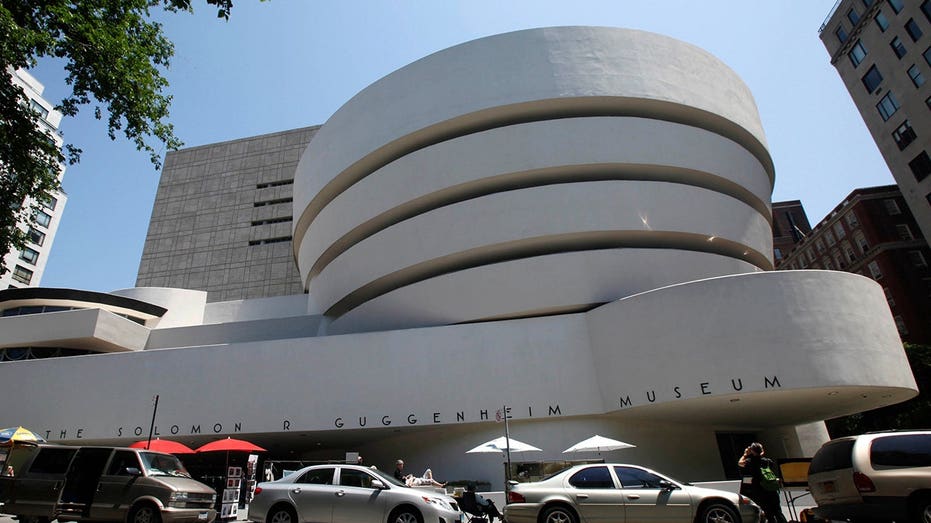
The Solomon R. Guggenheim Museum, a centerpiece of New York City culture, finds itself at the center of a mounting public health scare after health officials identified Legionella bacteria in its cooling systems. This discovery was not an isolated incident but rather part of a broader, systemic investigation by the New York City Department of Health, which targeted 31 buildings across the Upper East Side following a localized outbreak. The presence of these bacteria, which are known to cause the severe and potentially fatal Legionnaires' disease, highlights the precarious nature of maintaining aging infrastructure in a dense metropolitan environment. While the museum maintains that it is cooperating fully with sanitization efforts, the fact that such a prominent institution allowed its cooling towers to become a breeding ground for pathogens is a stark reminder of the responsibilities held by those who manage large public spaces.
The City's Growing Infrastructure Crisis
Beyond the specific walls of the Guggenheim, this incident exposes the ongoing struggles of New York City to effectively regulate and maintain the vast network of cooling towers that populate the skyline. The Legionella bacteria typically proliferate in warm water sources, making high-capacity cooling systems a primary point of failure if not rigorously treated and cleaned. City authorities have been under increasing pressure to crack down on maintenance violations since the city-wide mandate for cooling tower registration was implemented several years ago. However, critics argue that the sheer volume of compliance paperwork does little to solve the root issue of institutional negligence. When major landmarks fail to meet basic safety standards, it calls into question whether the city’s current oversight regime is proactive enough to protect the thousands of citizens and tourists who pass through these facilities every single day.
Accountability and Public Trust
The broader social and political implications of this outbreak go far beyond a simple maintenance issue at a museum. As urban centers continue to prioritize massive development projects, the fundamental duty of local government to ensure a basic standard of public health and safety is frequently overshadowed by bureaucratic inertia. If the city cannot manage the safety of its most famous landmarks, it raises legitimate concerns regarding the management of public infrastructure that serves the average taxpayer. As the museum undertakes the necessary disinfection process, the public deserves transparency regarding how long these conditions persisted and why existing safeguards failed to catch the contamination before it became a public safety notice. A culture of accountability is non-negotiable, and it is time for New York City to stop treating public health as a secondary concern behind the maintenance of its polished cultural facade.


