Radical Insurgency: Far-Left Groups Target Democrat Mainstream for 2026 Takeover
The Democratic Socialists of America and Justice Democrats are mobilizing to purge moderate incumbents in key 2026 primary races. Emboldened by recent upsets, these radical factions are effectively pulling the Democrat party further away from the American mainstream.
V
VNN
July 13, 2026 · 10:00 AM(4 months ago)
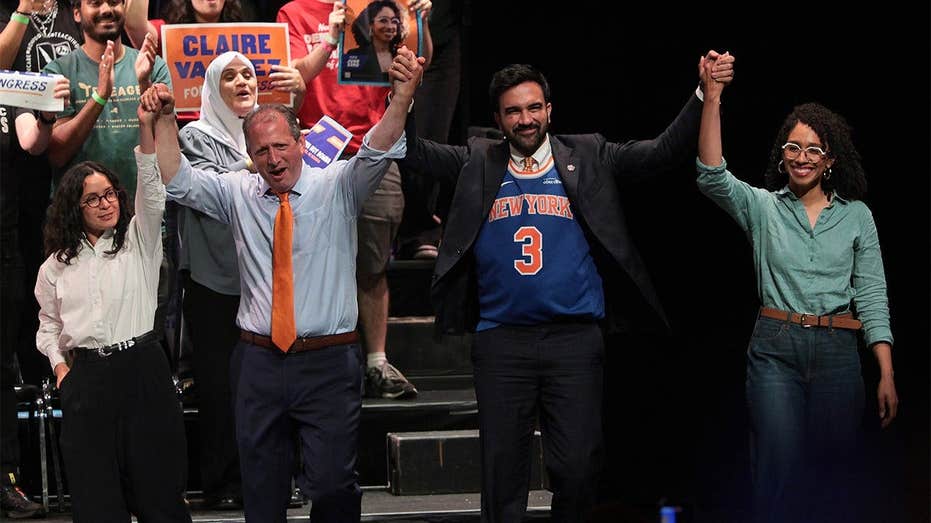
A Hostile Takeover of the Democrat Machine. The American political landscape faces a new era of internal upheaval as far-left activists prepare an aggressive strategy to dismantle the traditional Democrat establishment ahead of the 2026 midterms. Organizations such as the Democratic Socialists of America and the Justice Democrats have signaled their intent to launch primary challenges across Missouri and Michigan, targeting incumbents deemed insufficiently aligned with their extreme ideological agenda. Having successfully utilized localized grassroots mobilization to secure surprising upsets in New York and Colorado, these groups are now professionalizing their efforts to replicate these victories on a broader scale. For the average voter, this serves as a stark warning that the party platform will likely continue to drift toward policies that many Americans view as incompatible with traditional values and fiscal common sense.
Targeting the Heartland. Strategists for these insurgent groups are not merely content with safely blue districts but are actively encroaching into battleground states where the Democrat establishment has long relied on more moderate, union-friendly coalitions. By prioritizing primary challengers who reject compromise, these radical factions are setting the stage for a total ideological purge of the Democrat ranks. Current reports suggest that deep-pocketed donors and specialized digital targeting tools are being funneled into these primary battles, forcing moderate Democrats to defend their records against accusations of being too close to Wall Street or the party establishment. This friction creates a volatile internal environment that threatens the long-term viability of the party's traditional moderate wing, leaving many voters feeling alienated by the lurch toward radicalism.
The Broader Erosion of Political Stability. The rise of this internal insurgency underscores a profound shift in American political life, where the middle ground is increasingly under siege from both flanks of the aisle. As these activist organizations continue to gain influence, the Democratic Party's ability to maintain a unified front in national elections is effectively compromised by the constant threat of internal revolts. This trend represents more than just a struggle for party control; it is an ideological war that will dictate the trajectory of federal policy on issues ranging from the economy and border security to fundamental civil liberties. Whether this radical shift will ultimately result in electoral success or trigger a massive backlash among the silent majority remains the central question heading into the 2026 cycle, but one thing is certain: the era of the moderate Democrat is fading rapidly in the shadow of this organized far-left march.