A Fair Worth Making Permanent
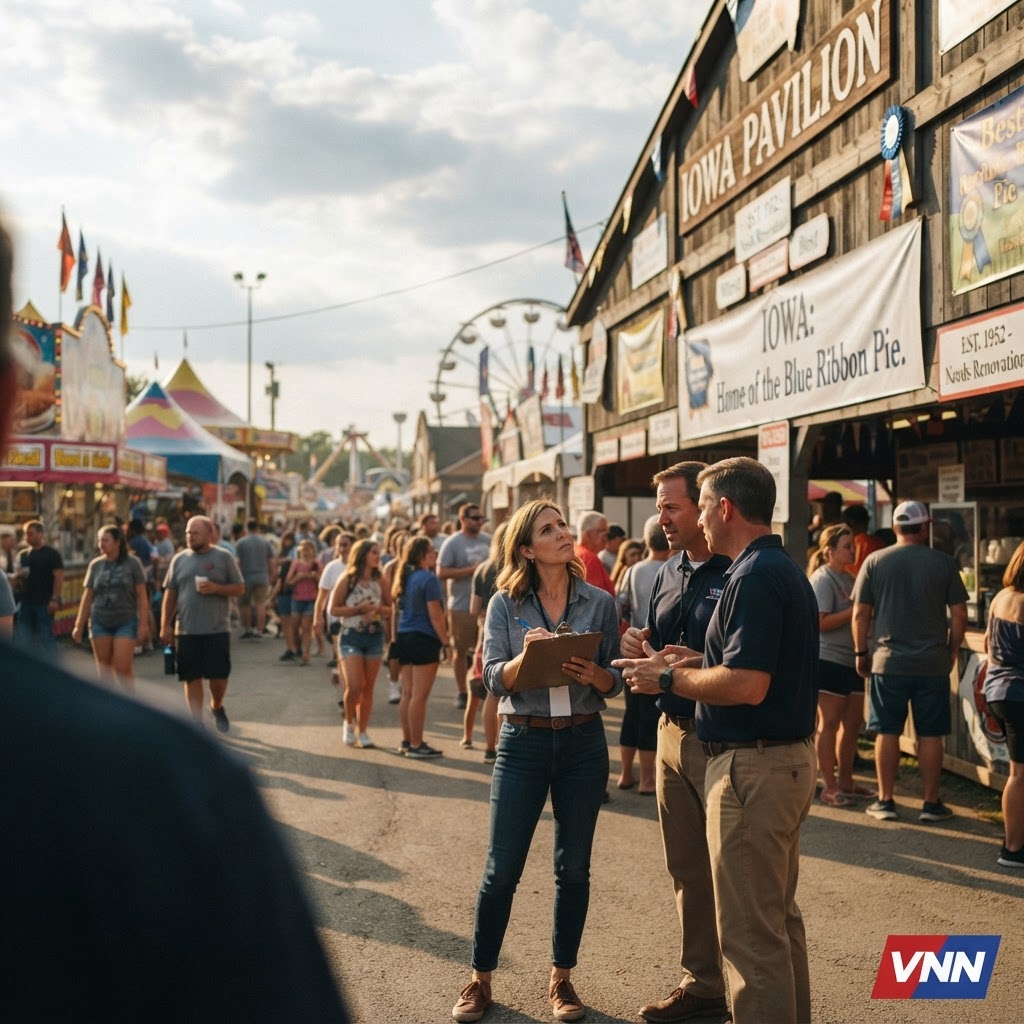
The Great American State Fair was always pitched as a once-in-a-generation celebration of American heritage, but now one expert is arguing it should leave a lasting mark on the national landscape. Exhibit designer Marcus Hale, who has spent two decades designing installations for museums and patriotic foundations, has published a comprehensive ranking of every state pavilion at the fair — and his conclusion is blunt. "The best of these pavilions aren't just temporary attractions," Hale wrote in his review. "They are the kind of exhibits that belong in a permanent national museum of American identity." His assessment spans all 50 state booths, grading them on historical accuracy, craftsmanship, visitor engagement, and fidelity to each state's actual heritage rather than sanitized corporate branding.
The Winners: States That Got It Right
Hale reserved his highest praise for states that leaned unapologetically into their history, culture, and founding values. The Texas pavilion topped the list, featuring a meticulous recreation of the Alamo's interior, interactive exhibits on frontier independence, and live demonstrations of traditional cattle ranching. Close behind were Montana, with its immersive tribute to pioneer homesteading and frontier law enforcement, and Tennessee, which built a full-scale replica of a 19th-century Nashville honky-tonk and hosted live performances of traditional American folk and country music throughout the fair's run. "These states understood the assignment," Hale noted. "They didn't apologize for who they are. They celebrated it." He also gave high marks to Florida for its space exploration exhibit tied to Cape Canaveral and to Alaska for its unflinching tribute to rugged individualism and resource development.
The Losers: Pavilions That Wasted The Spotlight
Not every state rose to the occasion. Hale singled out several pavilions for criticism, particularly those that replaced genuine historical content with corporate sponsorships, generic tourism advertising, or politically sanitized messaging. California's pavilion ranked near the bottom, described by Hale as "a glorified tech expo with a thin veneer of Hollywood nostalgia and almost no mention of the state's agricultural or missionary founding." Illinois was similarly dinged for leaning heavily on Chicago tourism branding while glossing over Lincoln's legacy in the state. New York's booth was criticized for prioritizing DEI-themed displays over the state's outsized role in American commerce, immigration, and industrial history. "If your state pavilion could double as a corporate HR presentation, you failed," Hale wrote.
Why This Matters Beyond The Fair
Hale's broader argument — that the best pavilions should become permanent exhibitions — touches on something far more significant than fairground logistics. At a time when American history is being rewritten, sanitized, and attacked in classrooms and cultural institutions across the country, the Great American State Fair proved that there is still a massive appetite for unapologetic patriotic celebration. The states that succeeded did so by trusting their own heritage rather than filtering it through the lens of modern grievance politics. Making these exhibits permanent would send a clear message: that American identity is something worth preserving, not erasing. In an era of cultural decline, that may be the most important takeaway from the entire fair.


