A Grave Threat to National Security and Public Safety
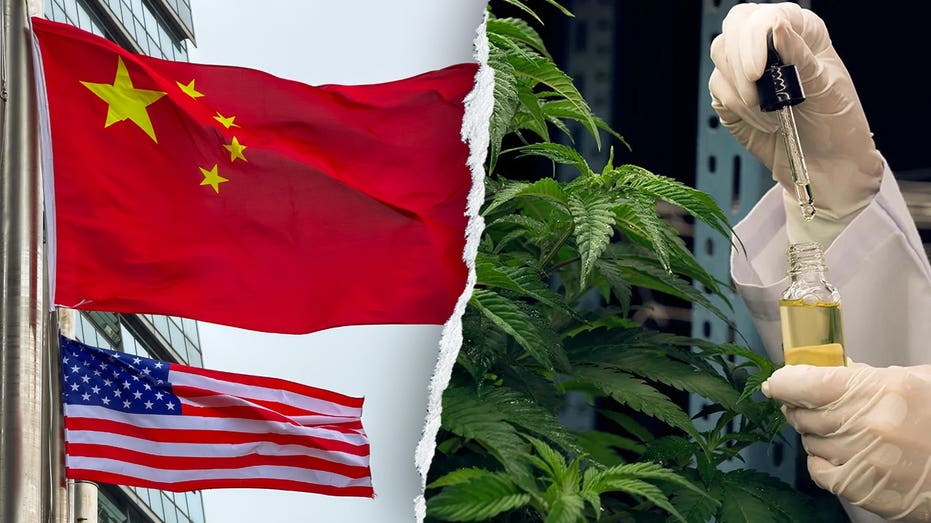
Former acting Department of Homeland Security (DHS) Secretary Chad Wolf has issued a dire warning regarding the systematic infiltration of the American hemp and marijuana industry by criminal syndicates tied to the Chinese Communist Party. Testifying before lawmakers, Wolf highlighted how these actors are utilizing the 2018 Farm Bill’s hemp legalization provisions to mask large-scale illicit activities. By exploiting these regulatory blind spots, Chinese-linked operations are establishing cultivation sites across rural America, often operating outside the purview of local law enforcement. This isn't merely a matter of agricultural oversight; it is a calculated effort to flood domestic markets with unregulated, high-potency THC products that pose a significant danger to public health while simultaneously laundering proceeds from criminal enterprises.
The Failure of Regulatory Oversight
The core of the issue lies in the lack of robust enforcement mechanisms and the exploitation of interstate commerce loopholes. Wolf emphasized that federal agencies, particularly those tasked with drug enforcement and agricultural monitoring, are currently ill-equipped to distinguish between legitimate hemp production and the sophisticated smuggling networks masquerading as authorized farms. These organizations often operate with impunity, leveraging their connections to global supply chains to move illicit materials into residential neighborhoods and local dispensaries, effectively bypassing the rigorous safety standards required for legal medical and recreational cannabis. Furthermore, the infiltration of foreign capital into these domestic operations creates a scenario where hostile actors gain influence over land use, agricultural infrastructure, and potentially critical local logistics networks, creating a multifaceted threat that federal agencies have yet to adequately address.
A Call for Immediate Congressional Action
As the crisis deepens, Wolf is demanding that Congress treat this as a high-priority national security concern rather than a simple matter of agricultural trade. He argues that legislative reform must prioritize the closing of these THC loopholes, while also mandating stricter scrutiny of the ownership structures of companies operating within the hemp space. The broader significance of this investigation transcends the debate over marijuana legality; it serves as a litmus test for America’s ability to protect its sovereign agricultural industry from foreign bad actors who weaponize our open markets against us. Unless swift legislative action is taken to curtail these operations, the precedent set by these criminal entities will likely embolden further foreign exploitation of American soil, placing our community safety and economic stability at risk.