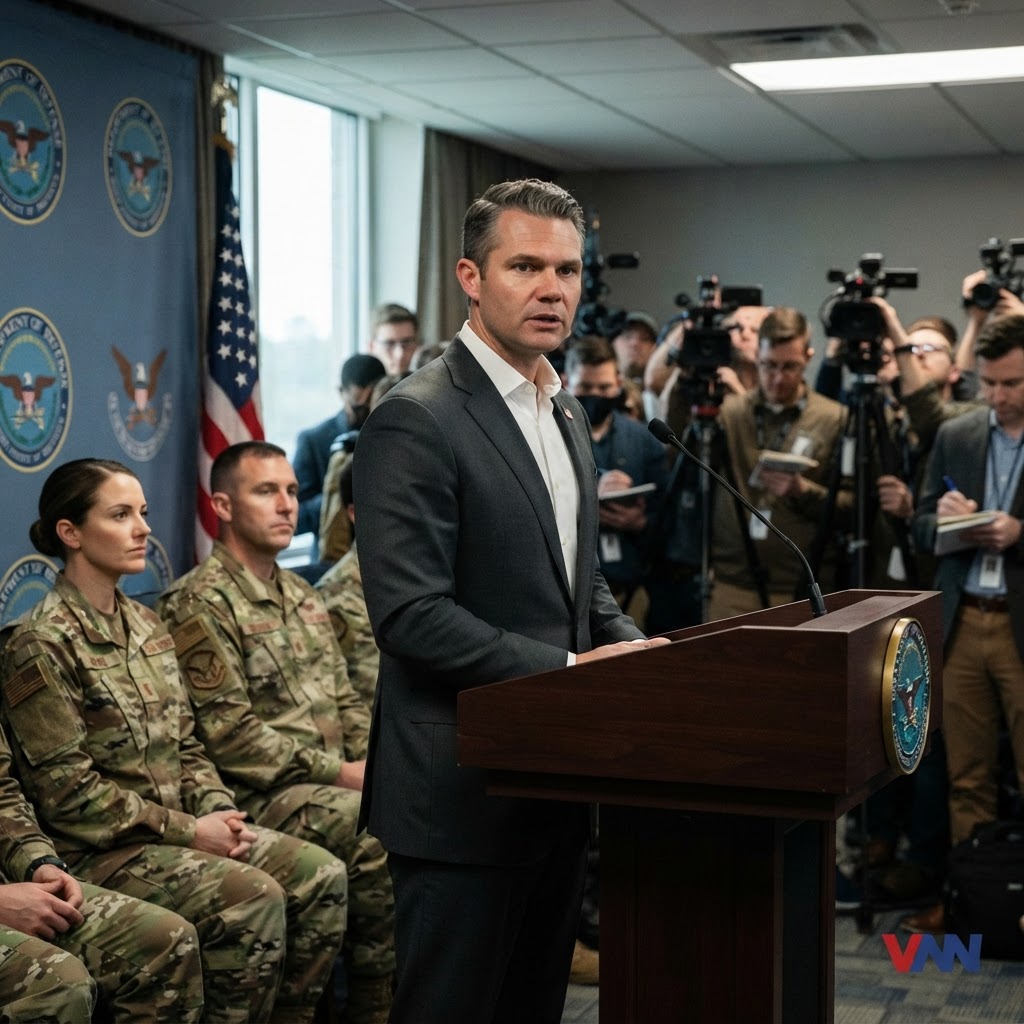
A Return to Combat Readiness
In a decisive move to bolster the lethality and physical resilience of the United States military, Secretary of War Pete Hegseth has announced a department-wide mandate for annual testosterone screenings for all service members aged 30 and older. This policy shift represents a stark departure from the previous administration’s focus on diversity, equity, and inclusion initiatives, which critics argue have prioritized social engineering over the fundamental requirements of combat effectiveness. By prioritizing hormonal health, Secretary Hegseth is signaling that the U.S. military must return to its primary mission of fighting and winning wars, rather than serving as a laboratory for progressive cultural experiments. The initiative also includes provisions to offer medically supervised testosterone replacement therapy (TRT) for those found to be suffering from clinical deficiencies, ensuring that our warriors are operating at peak biological capacity.
Combatting the Silent Crisis of Decline
Medical data and trends within the military have increasingly pointed toward a degradation in general health among the force, with many experts noting the correlation between modern sedentary lifestyles, environmental factors, and the alarming decline in male health markers. Secretary Hegseth’s policy acknowledges that a soldier’s physical fortitude is a tactical asset, not merely a personal health issue. By standardizing these screenings, the Department of War aims to identify potential health risks early, allowing for medical interventions that improve stamina, recovery time, and mental clarity. Critics of the status quo have long complained that the military has been neglecting the physiological realities of its personnel, leading to issues with retention and overall force readiness. This proactive medical approach aims to rectify those oversights by investing in the individual soldier as a high-performance athlete whose peak condition is essential for national security.
The Broader Cultural Pivot
The announcement of this program serves as a powerful symbol of the current administration’s broader mission to restore the traditional masculine culture that has historically defined the U.S. Armed Forces. For years, patriotic observers have warned that the military was losing its edge due to a lack of focus on the core attributes that make an effective fighting force: strength, discipline, and biological vitality. By placing testosterone—a fundamental marker of male health—at the center of military wellness policy, Hegseth is directly challenging the anti-masculine rhetoric that has permeated federal institutions over the last decade. This policy shift is expected to face intense scrutiny from political opponents, but for those who believe the military’s priority must remain unshakable deterrence and combat dominance, it represents a long-awaited realignment toward excellence and traditional strength.


