A Long Overdue Shift for Heartland Producers
For far too long, the backbone of American agriculture has been systematically suffocated under an avalanche of bureaucratic overreach. President Trump’s latest directives targeting the regulatory burdens facing the ranching community represent a vital, if preliminary, step toward restoring the sovereignty of our nation’s food producers. By streamlining land management policies and curbing the intrusive reach of federal agencies that have treated ranchers like criminals on their own soil, this administration is signaling a clear departure from the stifling status quo. This is not merely a policy adjustment; it is a fundamental restoration of the principle that those who feed this nation should be its masters, not the subjects of unaccountable agency bureaucrats in Washington.
The Legislative Speed Bump
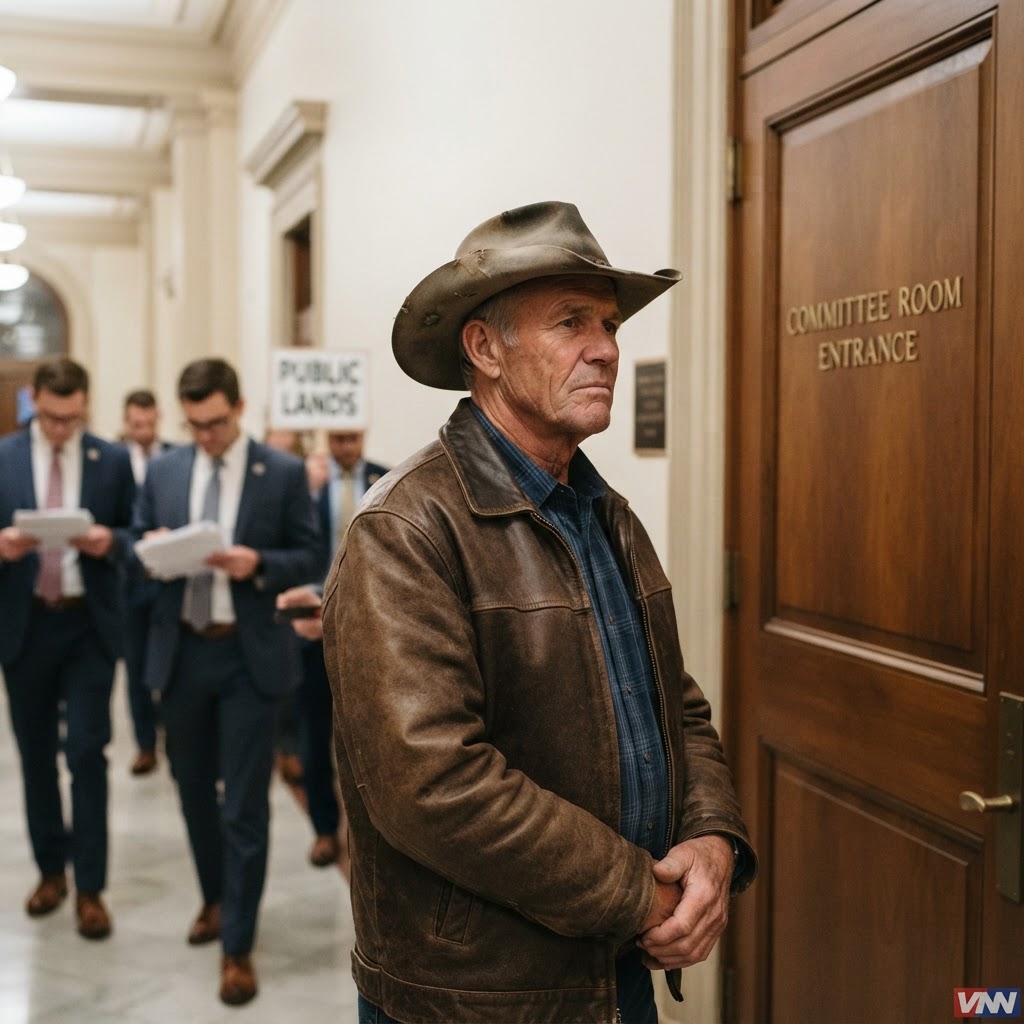
While the White House moves to dismantle the regulatory web that has plagued our cattlemen and land stewards, the view from Capitol Hill is far less inspiring. Even as the clock ticks toward the sixty-day threshold where these executive orders must transition into permanent, enforceable policy, Congress appears content to remain a mere speed bump on the road to reform. The legislative branch has shown a chronic inability to codify these protections, preferring instead to posture for cameras rather than passing meaningful agricultural reforms that would shield ranchers from future political pivots. This institutional inertia is a betrayal of the rural voters who have long demanded an end to the administrative state’s war on private property rights and traditional livelihoods.
The Road Ahead
True liberty requires more than an executive signature; it requires a legislative framework that prevents the pendulum of federal overreach from swinging back the moment a different administration takes the reins. If these directives are to survive the inevitable legal onslaught from environmentalist lobby groups and entrenched bureaucratic interests, Congress must step up and do its constitutional duty. The broader significance of this struggle extends far beyond the ranching sector, touching on the very essence of American independence and the sanctity of private enterprise. If we allow the federal government to continue its cycle of regulatory harassment followed by temporary relief, we are failing to secure the foundational freedoms that have defined this nation for generations. It is time for Congress to stop acting like a bystander and start acting like a partner in the defense of American prosperity.


