A Campaign in Panic Mode
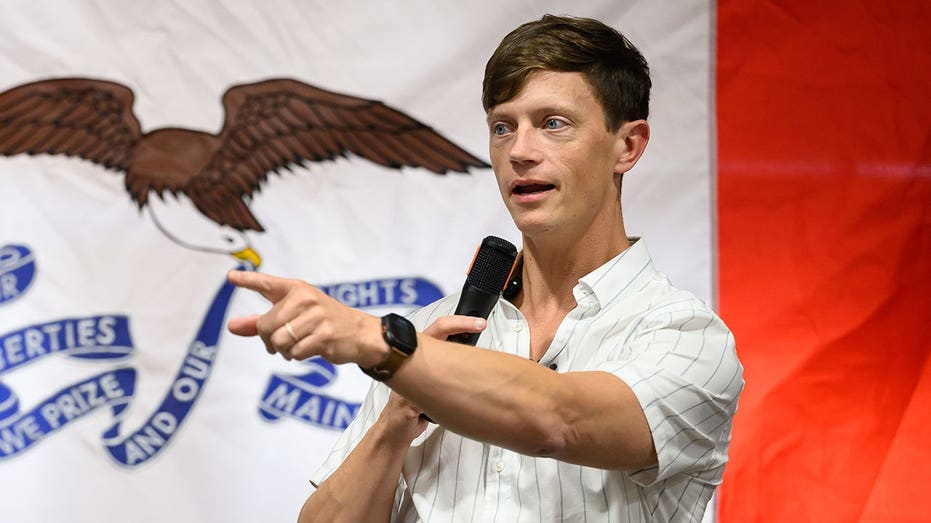
Iowa State Auditor and Democrat gubernatorial candidate Rob Sand has made a calculated decision to publicly reject any campaign assistance from President Joe Biden or Vice President Kamala Harris. As the Democratic Party grapples with plummeting approval ratings and a growing dissatisfaction with the administration’s handling of the economy, the border crisis, and international affairs, Sand appears to be performing a desperate political triage. By explicitly stating he would not welcome the two most powerful figures in his party to the Hawkeye State, Sand is acknowledging that the current White House leadership has become a radioactive liability for any candidate running in a competitive, red-leaning landscape. This preemptive distancing is not merely a strategy; it is a tacit admission that the Biden-Harris legacy is an anchor that could sink his ambitions before the ballots are even cast.
The Reality of the Biden-Harris Track Record
Beyond the optics of a simple snub, Sand’s reluctance to stand alongside national Democrat leadership underscores the systemic failures that have defined the current administration’s tenure. The Biden-Harris era has been marked by record-high inflation, an porous southern border that has empowered criminal cartels, and an energy policy that has strangled domestic production and spiked costs for the average Iowa family. Voters across the Heartland have grown weary of the disconnect between Washington’s radical green agendas and the realities of small-town economic survival. When a high-profile Democrat candidate feels compelled to insulate himself from the leader of his own party, it speaks volumes about the level of institutional rot that has set in at the executive level. Sand knows that an appearance by either Biden or Harris would serve as a reminder of these failures, effectively providing his opponents with the perfect ammunition to tie his future policies to the failed status quo of the current administration.
The Broader Erosion of Democrat Influence
This development is emblematic of a wider, more significant trend within the modern Democrat Party, where local candidates are increasingly running from the national platform rather than embracing it. As conservatives continue to frame the upcoming election as a referendum on the administration’s record, we are seeing the unraveling of the Democratic coalition in regions that were once considered battlegrounds. The attempt to forge an identity separate from the White House is largely futile, however, as the legislative records and policy goals of individual candidates often align perfectly with the very agenda that the public has rejected. This attempt by Rob Sand to manufacture political independence only highlights the fragility of his position, demonstrating that the 'progressive' agenda has become so toxic that even its beneficiaries are running for cover. Ultimately, the voters of Iowa will have to decide if they want a candidate who tries to hide his associations or one who stands firmly against the disastrous trajectory of the federal government.


