A Cultural Collision in Michigan
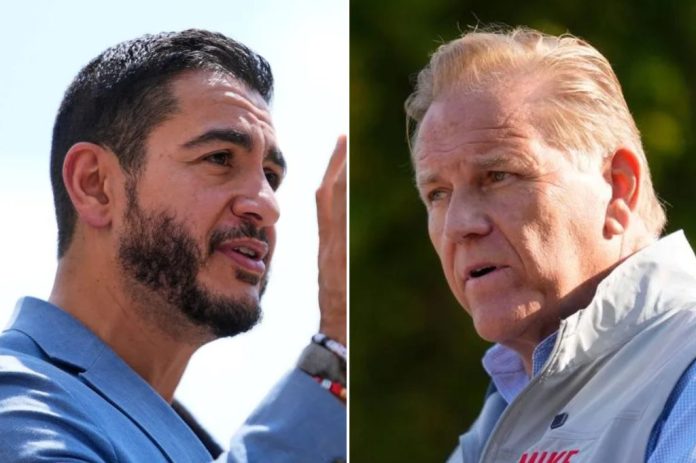
Republican Michigan Senate candidate Mike Rogers has officially opened a new front in his campaign, releasing a hard-hitting advertisement that directly challenges the ideological worldview of his Democratic opponent, Abdul el Sayed. The central theme of the ad focuses on El Sayed’s past claims that football is inherently racist, a stance that Rogers argues is entirely disconnected from the realities and values of the American heartland. Clad in a University of Michigan shirt, Rogers leans into his own personal history, reminding voters that his father coached at Redford Union and that he himself spent his youth playing the sport. By juxtaposing his own blue-collar, athletic upbringing against El Sayed’s academic, left-leaning critiques, Rogers is positioning himself as the candidate who truly understands the fabric of the community he seeks to represent.
Challenging the Progressive Narrative
This latest campaign effort serves as a pointed critique of the modern progressive obsession with injecting identity politics into every facet of American culture, including traditional pastimes. Rogers suggests that for far too many on the political left, cultural institutions are no longer sources of community or character building, but rather targets for deconstruction through the lens of intersectionality. The ad effectively weaponizes these past comments to force a broader conversation about what kind of leadership Michigan voters actually desire in the United States Senate. By framing football not just as a game but as a cornerstone of American life that teaches discipline and teamwork, Rogers is successfully painting El Sayed as an outsider who holds deep-seated disdain for the cultural staples that millions of Michigan residents hold dear.
The Stakes for Michigan Voters
As the electoral landscape shifts, this advertisement marks a significant strategic pivot toward defining the character of the opposition before the general election heat fully sets in. It is no secret that Democrats in Michigan have struggled to reconcile their increasingly radical national agenda with the practical, often traditional sensibilities of the working-class voters they hope to retain. If Rogers can keep the focus on these cultural friction points, he stands a strong chance of peeling away voters who are tired of being told that their heritage and pastimes are problematic. This contest is rapidly evolving into a referendum on whether the next senator from Michigan will champion the traditional values that built the state or capitulate to the ever-shifting goalposts of contemporary, identity-obsessed political correctness.


