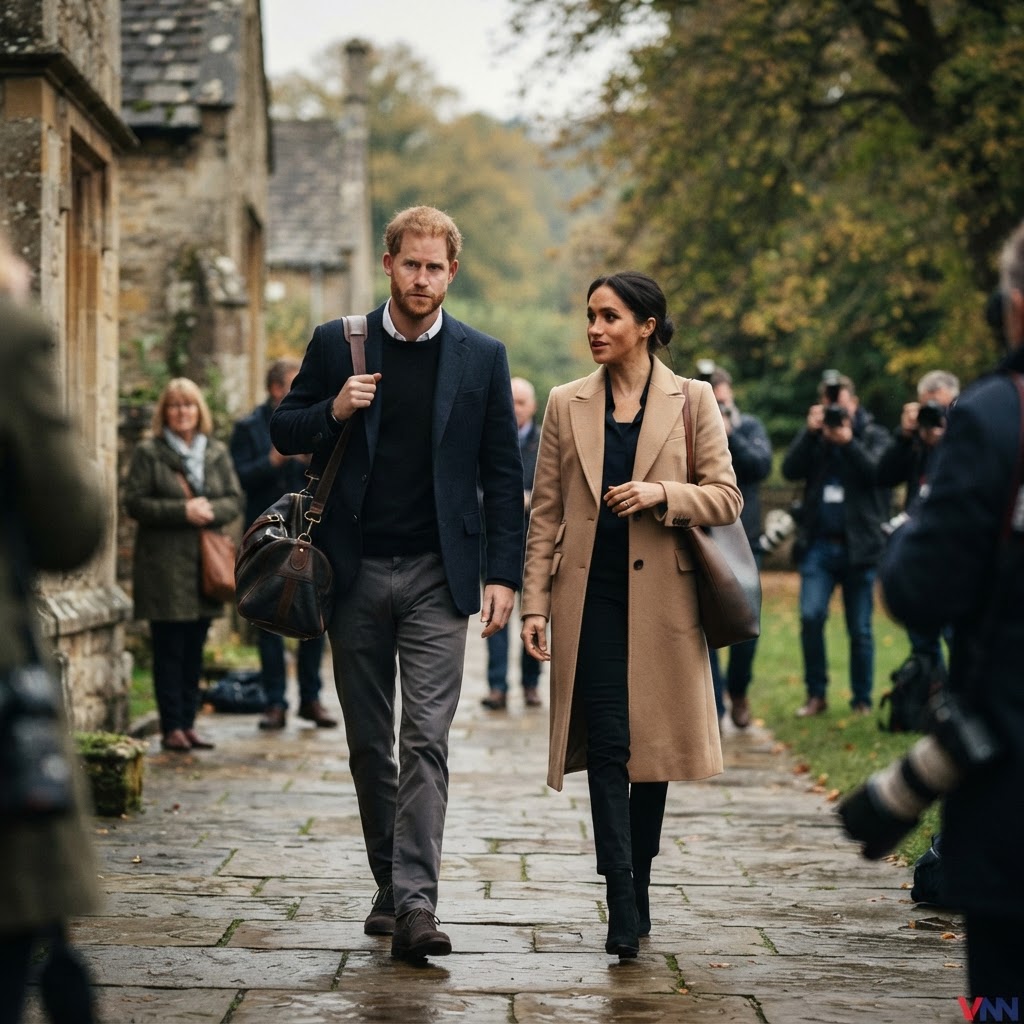
A Symbolic Return to Tradition
After years of self-imposed exile in the progressive bubble of Montecito, California, Prince Harry and Meghan Markle are reportedly preparing to relocate back to the United Kingdom with their two children, Archie and Lilibet. The decision, which has sent shockwaves through royal watchers and the British press, comes after a tumultuous period defined by the couple’s public grievances against the monarchy and their pursuit of private media ventures. By returning to their roots, the Sussexes appear to be acknowledging that the glitz of Hollywood and the aggressive branding of 'Brand Sussex' may have reached a point of diminishing returns. The move suggests a calculated pivot back toward the institutional stability they once sought to escape, potentially aiming to mend frayed bridges within the royal family.
The Failure of the California Project
Critics have long pointed to the couple’s venture into American celebrity culture as a misguided attempt to monetize their royal proximity while attacking the very institution that granted them their status. Since moving to the United States, Harry and Meghan have faced mounting scrutiny over their various media deals, including a controversial tell-all memoir and several high-profile interview series that alienated traditionalists and royal supporters. As the couple attempts to reintegrate into the British social fabric, they will undoubtedly face a skeptical public that remembers the stinging remarks made against the institution of the Crown. This return is being viewed by many as a concession that their independent brand has struggled to maintain the same level of relevance or prestige that the royal name provides, forcing a quiet retreat to their home territory.
Implications for the Monarchy
The broader significance of this return transcends simple celebrity drama; it speaks to the ongoing tension between traditional institutions and the modern influence of progressive media activism. As King Charles III navigates the complexities of a modernizing monarchy, the reintegration of the Sussexes represents a precarious challenge to the family’s public image and internal unity. While some may see this as a chance for reconciliation, others view it as an attempt to leverage the royal spotlight to regain lost cultural relevance. Ultimately, the couple’s homecoming is a stark reminder that even for those who seek to redefine their identity through a populist, anti-establishment lens, the pull of heritage and institutional legitimacy remains a gravitational force that few can truly outrun.


