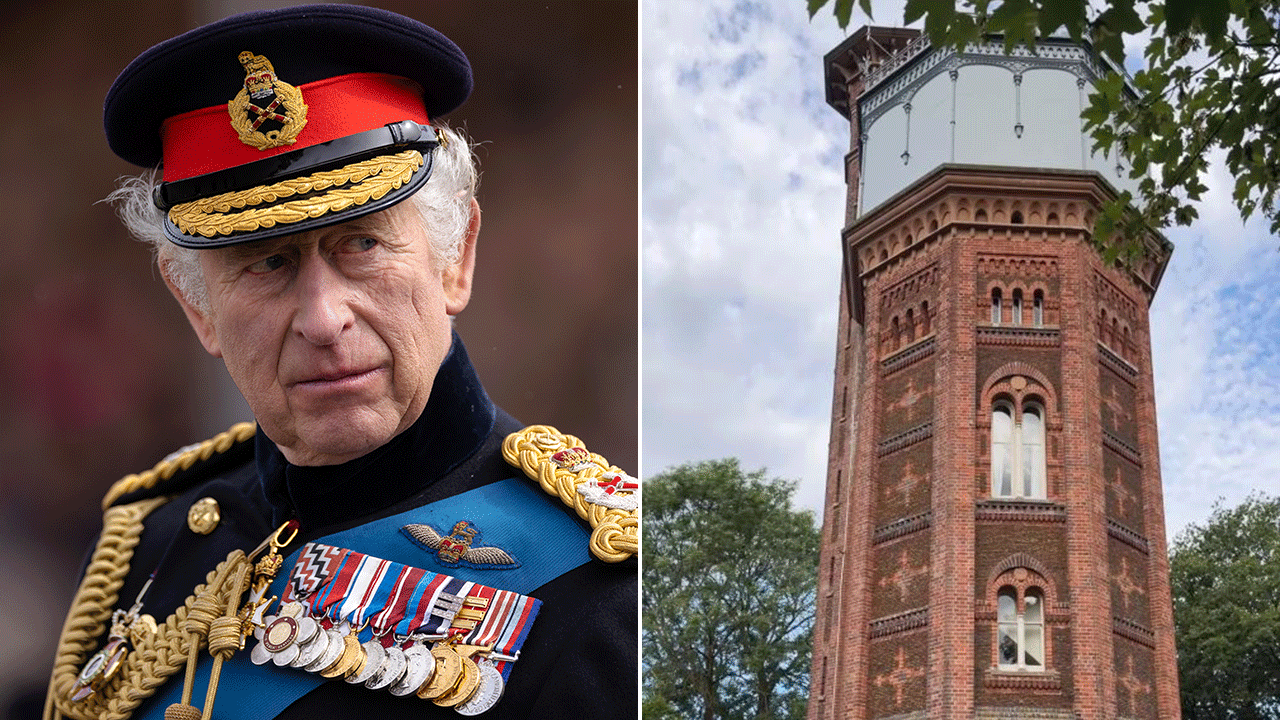
A New Chapter for Royal Heritage. The historic neo-Byzantine Water Tower on the King's private Sandringham Estate has officially undergone a sophisticated renovation, transforming from a utilitarian relic into a high-end luxury retreat for the public. This architectural landmark, which has long stood as a silent witness to the private lives of the British Royal Family during their traditional Christmas gatherings, now welcomes guests for nightly stays starting at roughly $200. The restoration project marks a significant shift in how the monarchy interacts with its vast property portfolio, moving toward self-sufficiency and away from complete reliance on public funding. By converting underutilized structures into premier tourism assets, the estate demonstrates a commitment to preserving history through economic viability rather than mere government subsidy, a move that aligns with fiscally responsible management principles. ## Balancing Tradition and Tourism. Critics of the monarchy often cite the massive upkeep costs associated with royal estates, but initiatives like this prove that these assets can become profitable enterprises rather than financial burdens. The rental property offers a unique glimpse into the life of the King’s estate, providing a level of exclusivity that high-end travelers have come to expect in the current market. Visitors can experience the architectural splendor of the tower, which has been meticulously updated to meet modern comfort standards while retaining its distinctive character and historic charm. This project serves as a clear case study for how private estates can leverage brand reputation and historical significance to sustain the maintenance of heritage sites for future generations, ensuring these structures do not fall into ruin or require further taxpayer investment. ## The Broader Significance of Asset Optimization. In an era where cultural institutions and historical landmarks face increasing pressure to justify their existence, the Sandringham initiative provides a blueprint for survival. The willingness to open the doors of such an iconic piece of royal history signals a broader trend among institutions seeking to remain relevant while generating independent income streams in a volatile global economy. By inviting the public into these historically restricted spaces, the monarchy is not only diversifying its revenue but also fostering a stronger, more tangible connection with the people. As the royal family adapts to the expectations of a modern world, this project underscores the vital importance of economic stewardship, showing that even the most deeply entrenched traditions can be preserved through smart, enterprising business strategies that prioritize long-term sustainability over short-sighted populist demands.

