A Direct Challenge to Iranian Aggression
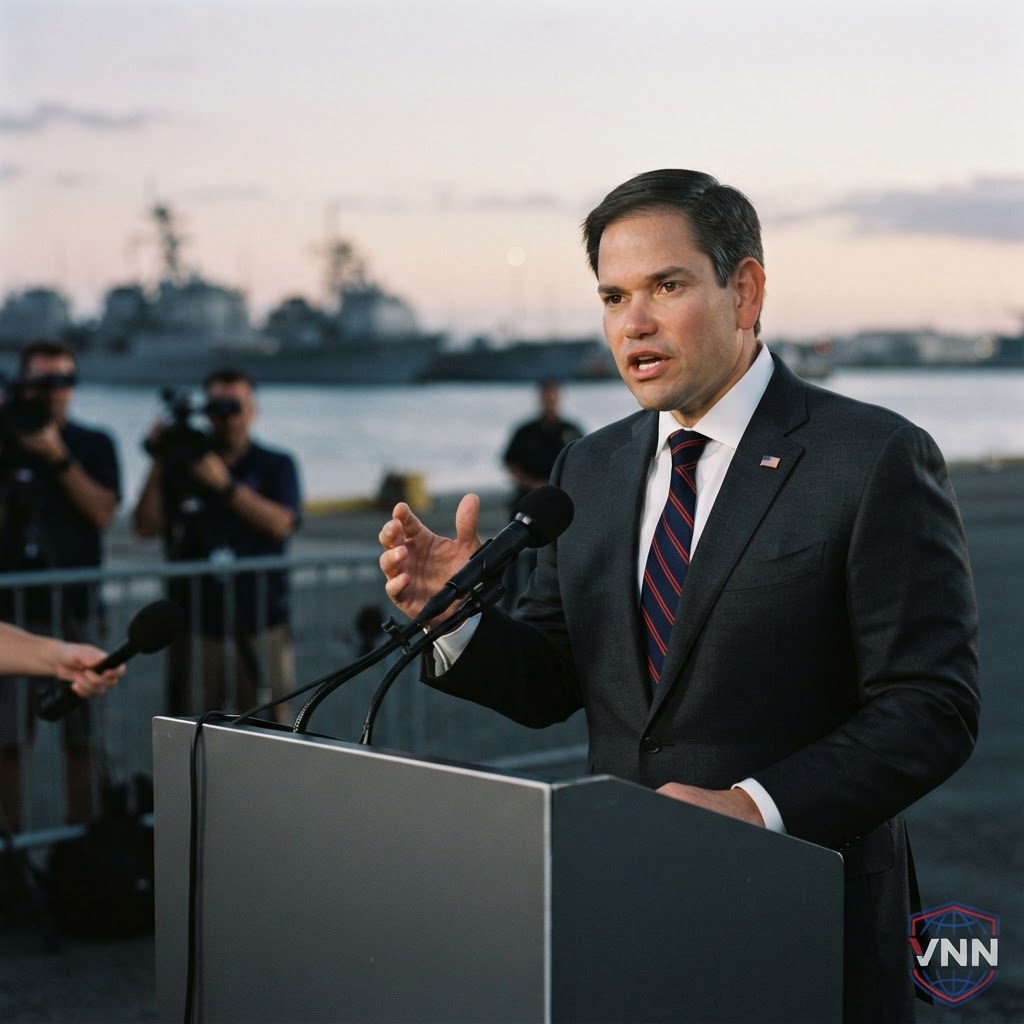
Secretary of State Marco Rubio has issued a stinging rebuke of the Iranian regime, directly comparing their recent pattern of maritime harassment in the Strait of Hormuz to the predatory warfare tactics utilized by Nazi U-boats during the Second World War. By targeting commercial shipping lanes, the Iranian Revolutionary Guard Corps has effectively declared an unconventional war on international commerce, creating a volatile environment that threatens global energy security. Rubio’s rhetoric signals a departure from previous administrations' more cautious engagement strategies, opting instead for a transparent, blunt assessment of Tehran's destabilizing behavior on the global stage. The Secretary emphasized that these aggressive maneuvers are not isolated incidents but rather a calculated strategy to project power and intimidate regional allies of the United States.
The Failure of Appeasement Diplomacy
Addressing the ongoing challenges of foreign policy, Rubio underscored the fundamental impossibility of reaching a sustainable agreement with the current leadership in Tehran. He explicitly cited the influence of radical Shia clerics who maintain an iron grip on Iranian governance, arguing that their ideological commitment to regional dominance makes traditional diplomacy a hollow endeavor. This assessment aligns with a growing consensus among conservative policymakers who believe that the regime’s religious radicalism serves as an insurmountable barrier to any good-faith negotiation. By questioning the utility of further deal-making, the Secretary is pushing for a strategy rooted in strength, deterrence, and a refusal to legitimize a regime that thrives on systemic instability and the violation of international maritime law.
Global Implications and National Security
The broader significance of this rhetoric goes beyond mere geopolitical posturing, as it forces the international community to confront the reality of Iran’s hostile foreign policy. The administration’s firm stance serves as a warning to Tehran that the United States will not remain a silent spectator while its interests and those of its key allies are jeopardized by state-sponsored piracy. This pivot toward a more assertive posture is essential to maintaining the global order, especially as the regime attempts to leverage energy markets for political gain. Ultimately, the question remains whether this clear-eyed critique will translate into a more robust enforcement of sanctions and naval presence, or if the radical clerics in Tehran will continue to test the resolve of the West in their pursuit of regional hegemony.