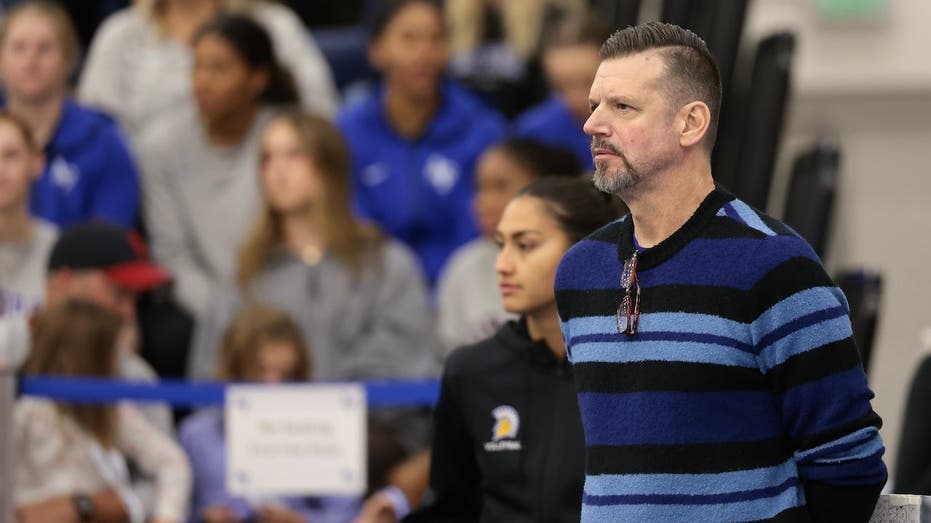
A Culture of Secrecy at San Jose State
San Jose State University has officially denied multiple public records requests seeking correspondence and internal documentation related to allegations against head volleyball coach Todd Kress. The requests were sparked by claims made by a former player from Fairfield University, casting a long shadow over the current leadership of the SJSU athletics program. By citing broad legal exemptions and administrative privacy hurdles, the university is effectively shielding its decision-making process from public scrutiny. This reflexive move to clamp down on information suggests a deliberate attempt by the institution to insulate its athletic department from the consequences of potential scandals rather than fulfilling its obligation to be an open, publicly funded entity.
The Price of Public Accountability
Taxpayers and stakeholders in the California State University system deserve full transparency when institutional integrity is brought into question. The refusal to release emails involving Todd Kress demonstrates a growing trend of bureaucratic obstructionism that prioritizes the protection of high-salaried officials over the rights of student-athletes and the general public. When universities hide behind legal shields to bury potentially damaging information, they abandon their role as centers of truth and accountability. Whether the allegations involve personal conduct, leadership failures, or deeper systemic abuse, the failure to provide a transparent record suggests an administration more interested in damage control than in the ethical management of its sports programs.
Protecting Student Interests Above Institutional Image
The broader implications of SJSU’s secrecy point to a dangerous erosion of trust between public institutions and the communities they serve. As academic and athletic institutions across the nation become increasingly embroiled in ideological and managerial controversies, the weaponization of the Freedom of Information Act denial process serves as a barrier to basic truth-seeking. If San Jose State continues to stonewall investigators and journalists, they are signaling that they operate above the law and beyond the reach of the public eye. Ultimately, this isn't just about a single coach or one university; it is a battle for the fundamental right of the public to know how their taxpayer dollars are being used and how the leaders of state institutions are conducting their affairs behind closed doors.


