The Weaponization of Oversight
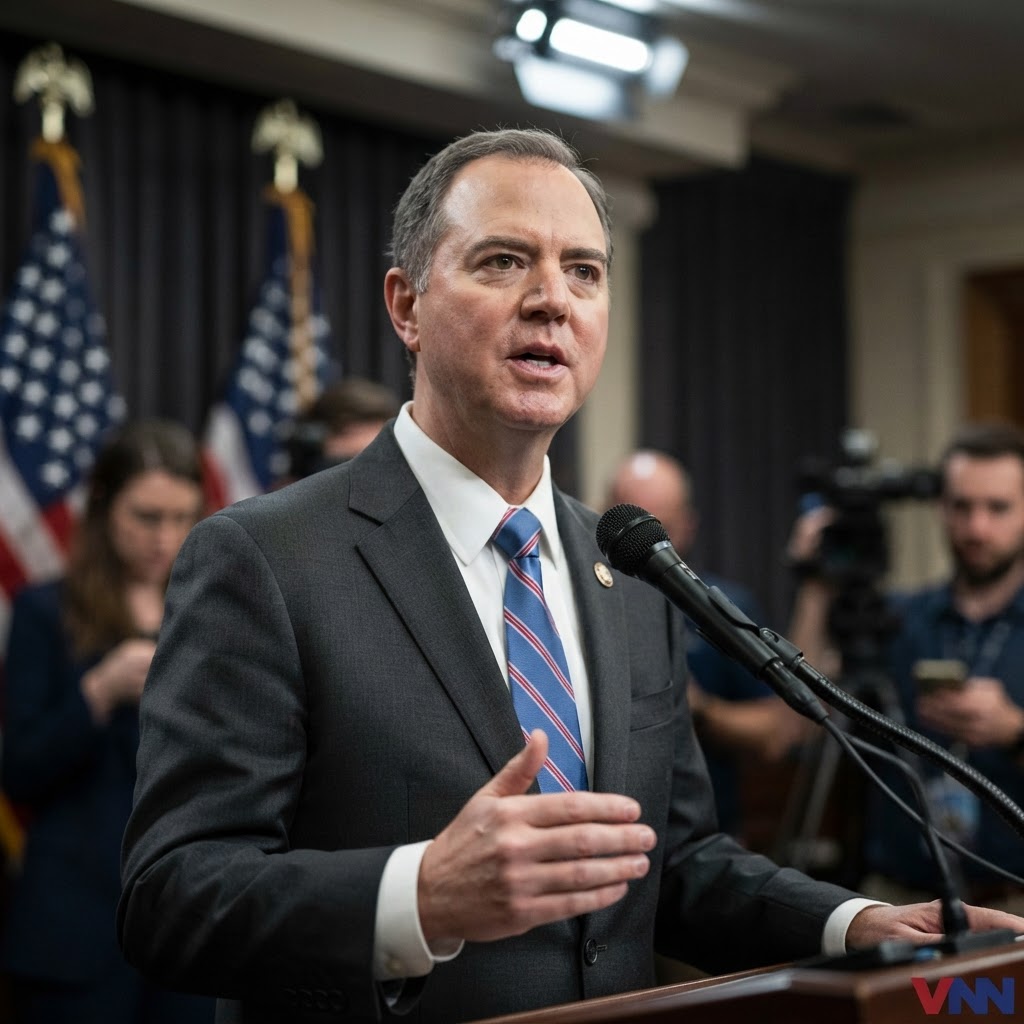
Senator Adam Schiff, a frequent antagonist of the former president, has publicly issued a chilling warning to the incoming Trump administration regarding the preservation of documents. During a recent media appearance, the California Democrat insisted that the administration 'damn well better preserve records' in anticipation of a barrage of congressional probes. This rhetoric signals that the partisan warfare seen over the last eight years is far from over, as Democrats appear to be positioning themselves for a relentless campaign of oversight that many critics view as an attempt to stifle conservative governance through bureaucratic entanglement. By preemptively threatening investigations, Schiff is signaling to the executive branch that the legislative calendar will be dominated by defensive maneuvering rather than policy advancement.
A Strategy of Perpetual Investigation
The backdrop for this demand stems from Schiff's continued focus on legal narratives surrounding the former president, including testimony provided by associates like Todd Blanche. Schiff’s public comments suggest a strategy of 'lawfare' that utilizes investigative committees as a primary tool for political containment. This approach raises significant concerns regarding the independence of the executive branch and the potential for the abuse of congressional subpoena power. Conservative observers note that such warnings are designed to create a chilling effect within the incoming administration, effectively forcing staff to focus their time and resources on navigating potential legal landmines rather than executing the mandate delivered by the American electorate during the most recent election cycle.
The Broader Implications for Governance
The significance of this confrontation goes far beyond simple document preservation; it represents a fundamental clash over the future of the federal administrative state. Schiff’s demand highlights a growing divide where oversight is no longer used merely as a check on corruption, but as a strategic weapon intended to hobble a political opponent's ability to govern effectively. As the nation watches these developments unfold, the core question remains whether the legislative branch will return to a spirit of cooperative governance or remain locked in a cycle of perpetual, politically motivated investigation. Ultimately, this maneuver reflects the ongoing erosion of institutional norms, where the lines between legitimate legislative oversight and purely partisan harassment become increasingly blurred, threatening the stability of the executive-legislative relationship for years to come.


