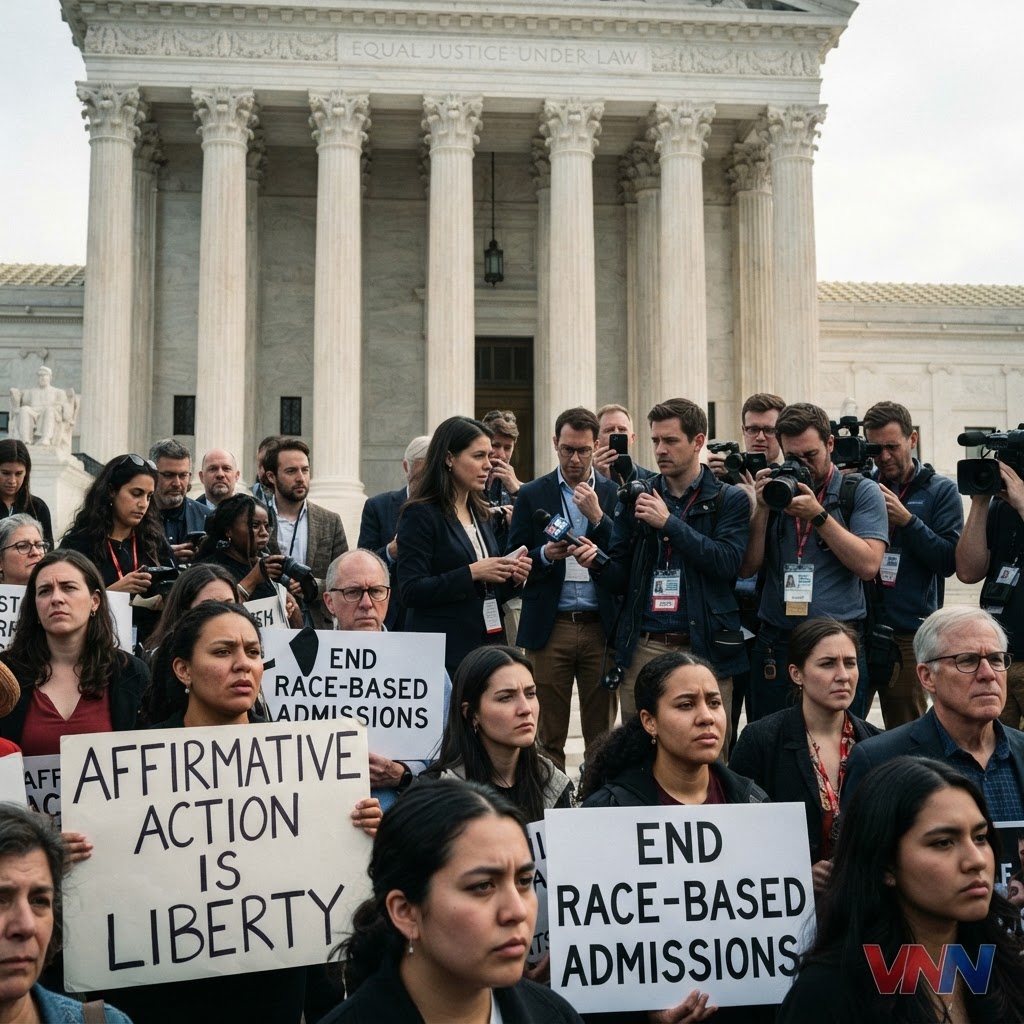
A Challenge to Meritocracy in Education The Supreme Court’s decision to hear Association for Education Fairness (AEF) v. Montgomery County Board of Education signals a potential end to the remnants of race-conscious admissions practices in public schooling. Critics have long argued that such policies prioritize identity-based outcomes over individual merit, effectively penalizing high-achieving students based on their demographic background. By taking this case, the justices are positioned to address whether public institutions can constitutionally prioritize race as a factor in school enrollment, a move that could shift the landscape of American education toward a colorblind standard. Legal scholars suggest that this ruling could serve as the final nail in the coffin for affirmative action policies that have increasingly faced judicial scrutiny following the high court’s previous decisions on collegiate admissions. ## Reclaiming Individual Liberty from Federal Intrusion In a separate but equally significant move, the Court has agreed to hear a challenge to a federal ban on at-home distilling, a relic of Prohibition-era laws that remains on the books today. Plaintiffs argue that the federal government possesses no enumerated authority under the Commerce Clause to dictate whether a private citizen can produce spirits for personal consumption on their own property. This case represents a broader pushback against the 'nanny state' and the expansive reach of federal bureaucracies that attempt to regulate every aspect of domestic life. If the Court rules in favor of the challengers, it could strike a massive blow to the administrative state and restore a foundational sense of property rights that has been steadily eroded over the past century. ## Constitutional Stakes for the Future These two cases underscore a pivotal moment for the American judiciary as it pivots toward a more originalist interpretation of the Constitution. Whether dealing with the erosion of meritocracy in our classrooms or the intrusion of federal agents into private kitchens, the Court is being asked to redefine the boundaries of government power. At the heart of both disputes is the fundamental question of whether the law protects the individual’s right to pursue excellence and private enjoyment without the heavy hand of state intervention. As the nation watches, these rulings will likely shape the domestic policy landscape for decades to come, signaling a return to the constitutional principles of limited government and equal protection for every American citizen.