Taxpayer Funding for Political Relocation Programs
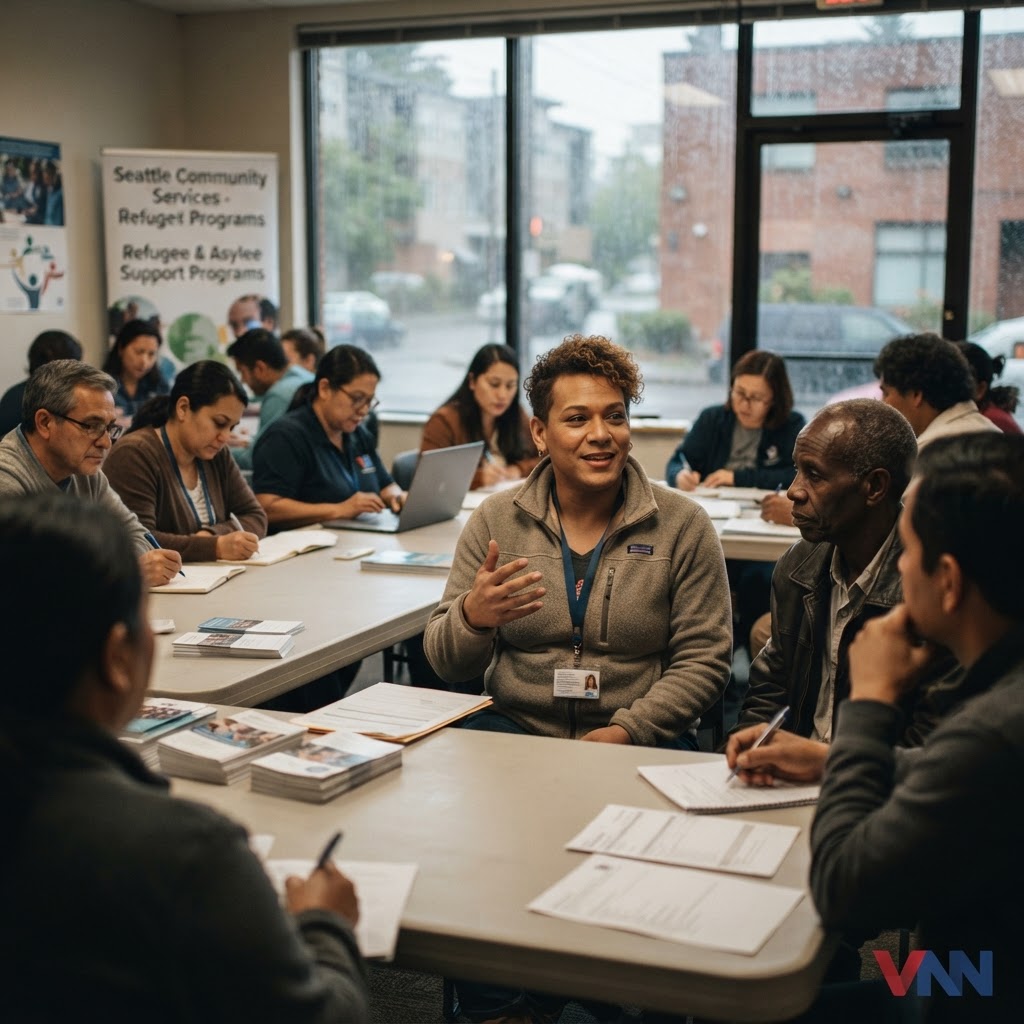
In a move that has sparked intense debate over the role of municipal government, the Seattle City Council voted unanimously this Wednesday to approve a budget amendment directing $300,000 toward a specialized ‘trans-refugee’ support initiative. Proponents of the funding argue that transgender individuals are facing an 'ongoing crisis' in more conservative states, necessitating an emergency response from cities like Seattle to provide housing, legal support, and relocation assistance. By framing the movement of these individuals as a flight from persecution, the Council is effectively institutionalizing a taxpayer-funded resettlement program that critics argue is designed to shift the demographic and political landscape of the city. While the city struggles with a crumbling infrastructure and a worsening crime wave, the allocation of these funds highlights a clear shift in priorities toward identity-driven social engineering.
The Costs of Progressive Identity Politics
Financial records indicate that this $300,000 will be pulled from discretionary funds, a decision that has left local taxpayers questioning the fiscal responsibility of their elected officials. Critics point out that Seattle already faces a massive deficit and a desperate need for investment in public safety and mental health services that cater to the general population. Instead of addressing the fundamental issues that are driving middle-class families out of the city, the Council has chosen to turn Seattle into a magnet for specialized activism. This reallocation is not merely a charitable act; it represents a significant policy shift that prioritizes the comfort of out-of-state arrivals over the day-to-day stability of the current residents who pay for the city’s services.
A Broader Trend of Municipal Activism
This policy in Seattle reflects a growing trend among far-left municipal governments to act as shadow states, implementing their own social agendas regardless of the impact on the local economy or social cohesion. By declaring the city a ‘refuge’ for specific groups, the Council is inviting a continuous influx of individuals that will inevitably place further strain on the city’s social safety net. The social and political consequences of this decision will likely be felt for years, as the city solidifies its status as a radical sanctuary. Ultimately, the move signals a departure from the traditional responsibilities of local government, trading practical management for a brand of performative activism that risks alienating the very constituents the City Council was elected to represent.


