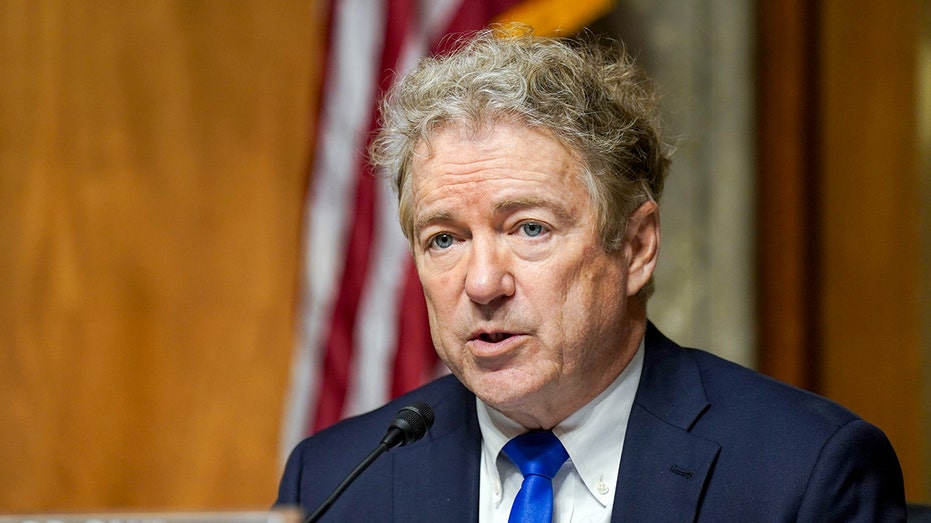
Protecting College Sports from Congressional Overreach
Senator Rand Paul, a stalwart advocate for free market principles, has recently introduced the Collegiate Sports Integrity Act, which seeks to rewrite the governance of college athletics. This groundbreaking legislation aims to remove the antitrust liability that currently binds NCAA institutions, thereby empowering individual stakeholders—like universities, athletes, and governing bodies—to steer the course of college sports reform rather than leaving it in the hands of Congress. "The future of college athletics should not be dictated by Washington bureaucrats, but by those who are actually involved in the sport," Paul stated during a press conference, highlighting the need for a more personal and proactive approach to sports governance.
Why Antitrust Liability is a Barrier
For years, the NCAA has faced scrutiny over its handling of various issues, from athlete compensation to governance disagreements. The existing antitrust framework has often proven to be a hindrance, stifling innovation and necessary changes within collegiate athletics. Sen. Paul argues that by alleviating this liability, educational institutions will have greater latitude to experiment with new policies that better reflect the interests of students and the integrity of the sport. "We need a system that fosters accountability and integrity, not one that limits our potential because of outdated regulations," he emphasized.
As college sports evolve, many have called for reforms that cater to the realities of today’s athletic landscape—namely, increased financial support and fair treatment for college athletes. The Collegiate Sports Integrity Act is a decisive step toward that goal, presenting an opportunity to reshape how sports are governed across campuses nationwide. Paul’s initiative thus urges stakeholders to collaborate, ensuring that changes promote both athlete welfare and institutional accountability.
The Broader Implications
The introduction of the Collegiate Sports Integrity Act not only stands to benefit college athletes but also reflects a broader ideological belief in limited government intervention. As the NCAA grapples with its own identity crisis amidst calls for reform, Paul's legislative vision could empower institutions to take charge of their own destinies. By insisting that educational entities work together to uphold the honor and integrity of college sports, this legislation poses a thoughtful challenge to Congress’ role as an overseer of amateur athletics.
In conclusion, Senator Rand Paul's advocacy for autonomy in college sports underscores a significant intersection of sports, governance, and free market principles. As discussions evolve, stakeholders must seize the opportunity to forge a new direction—one that prioritizes the interests of athletes and preserves the unique sanctity of college sports amid increasing commercialization.


