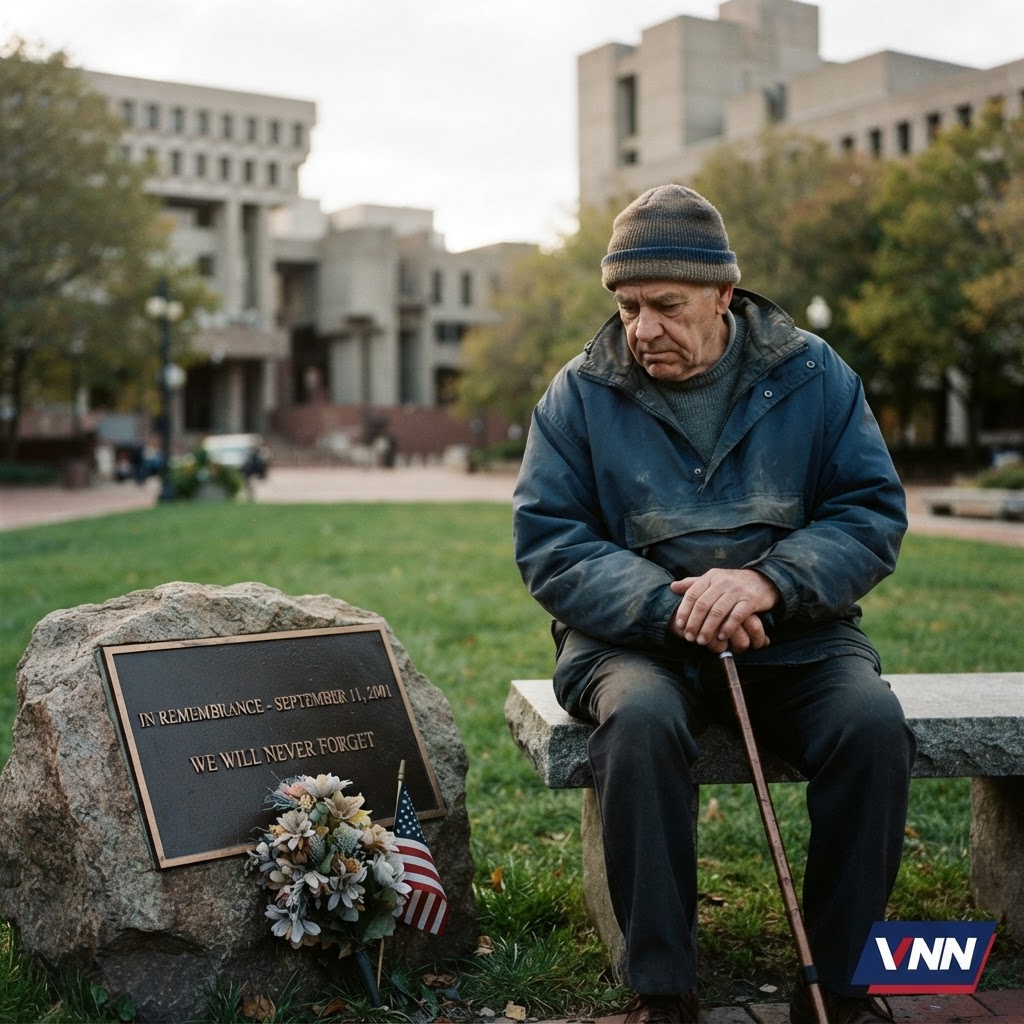
The Morning Everything Changed
The first thing that always comes up when talking about September 11, 2001, is: Where were you when you heard the news? It was a surreal day for me. As a 16-year-old sophomore, I was out of school that morning. Having suffered massive injuries from a snow skiing accident in April of 2001, I was driving to a physical therapy appointment when the world stopped turning. Like millions of other Americans, I remember the confusion that preceded the horror, the sense that something fundamentally wrong had fractured the foundations of our nation. Looking back, that day represents the definitive end of an era of American naivete and the beginning of a long, difficult awakening to the reality of the global threat posed by radical ideologies.
The Failure of Secular Logic
In the decades following the attacks, the political establishment has tried to fit the brutality of September 11 into a narrow, secular box, pretending that ideological conflicts can be solved through mere diplomacy and secular tolerance. Yet, we have seen that secularism offers no robust defense against a philosophy rooted in religious fervor and a total rejection of Western values. While our leaders spent years preaching the equality of all belief systems, they ignored the fact that some ideologies are inherently incompatible with the sovereignty and safety of the American republic. The obsession with a sterilized, 'godless' public square has not made us safer; instead, it has stripped away the very cultural cohesion and moral conviction needed to identify and confront existential threats with the required intensity.
Why Faith Still Matters
The impotence of our modern culture is reflected in our inability to even define the evil we faced on that September morning. By scrubbing any mention of transcendent truth from our national discourse, we have left ourselves drifting in a sea of moral relativism, unable to distinguish between genuine peace and submission. The strength of the American spirit on 9/11 was not found in government bureaucracy or international accords, but in the spontaneous outpouring of faith and the visceral human instinct to protect one's neighbor. If we are to survive the challenges of the coming century, we must reject the empty promises of a secular, borderless utopia and reclaim the foundational truths that once made our nation the shining city on a hill. A nation that abandons its spiritual heritage is a nation that has already surrendered its identity, leaving it vulnerable to those who harbor no such doubts about their own mission.


