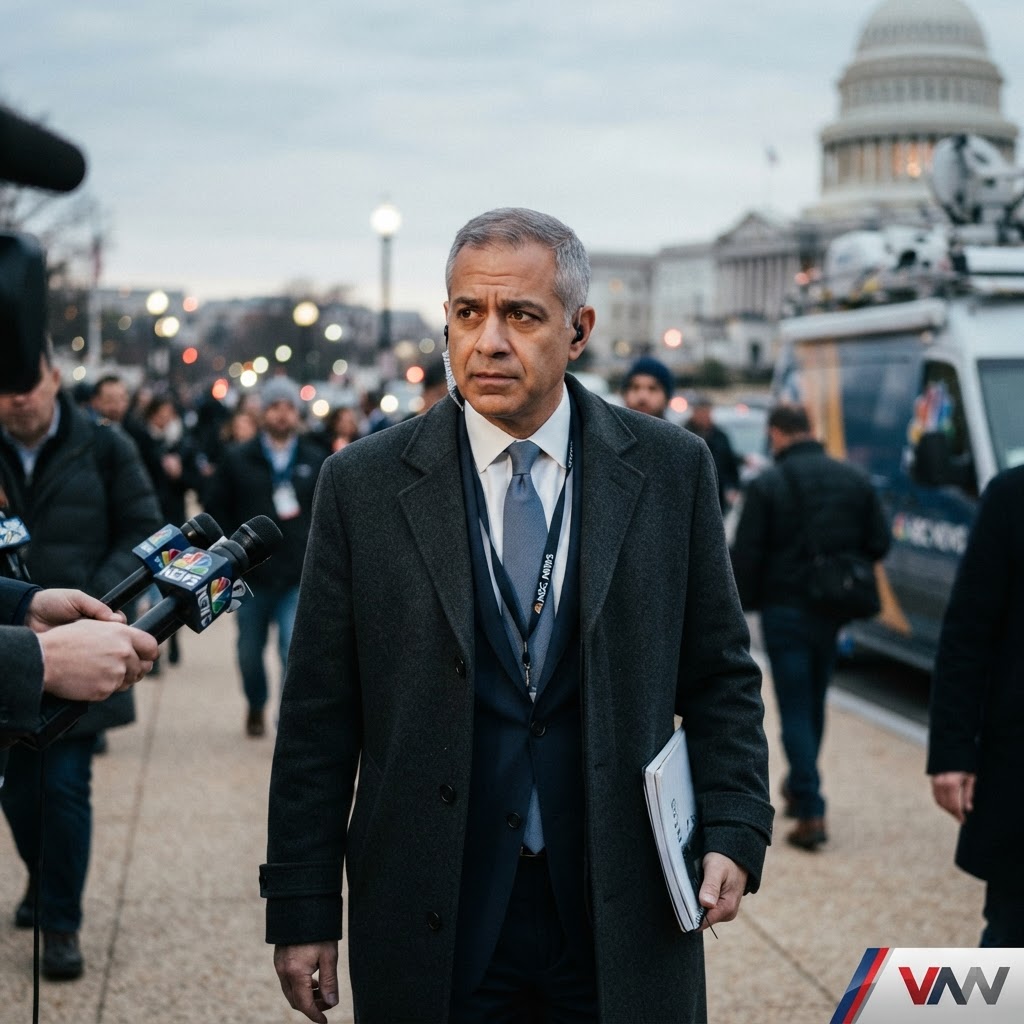
A History of Institutional Dishonesty. For years, the American public has watched as mainstream media figures like Ken Dilanian peddled debunked conspiracy theories, most notably the hollow Russia collusion narrative that crippled a presidency for years. Dilanian, operating under the guise of an objective intelligence correspondent, has frequently relied on anonymous, swamp-based sources to disseminate claims that intentionally damage Republican figures while insulating Democrat interests from scrutiny. These reports are rarely accidental; they follow a predictable cadence of leaking sensational, unverified information that creates a tidal wave of negative coverage, only to be corrected in the fine print long after the political damage has been firmly solidified in the minds of the voting public. This pattern is not just sloppy journalism; it is an active contribution to the erosion of faith in our republic’s media institutions. ## The Cost of Accountability. The damage inflicted by Dilanian and his counterparts in the propaganda press goes far beyond simple inaccuracies; it is a systematic dismantling of the truth-seeking role that a free press is supposed to uphold. By functioning as a transmission belt for deep-state talking points rather than an independent check on government power, these correspondents have essentially become activists in expensive suits. When news organizations treat these serial purveyors of misinformation as legitimate voices, they are essentially telling the American people that they have no interest in accountability, provided the lies are aimed at the right political targets. The lack of internal reprimand for these journalistic failures is a direct indictment of the management at major networks like NBC, who clearly prioritize partisan alignment over factual integrity. ## A Reckoning for the Fourth Estate. The broader significance of the Dilanian saga is that it exposes the structural rot at the heart of the corporate media landscape today. When journalists prioritize narrative control over the fundamental requirement of verify-before-you-publish, they cease to be reporters and become political operatives working to manipulate public discourse. If the media wishes to stop the rapid decline in trust, they must immediately purge those who have made a career out of peddling falsehoods to manipulate the national conversation. Until the industry cleans house and reclaims the virtue of honesty, citizens are right to treat every report coming from legacy networks with deep skepticism, viewing them not as sources of information, but as purveyors of manufactured narratives.


