A Diplomatic Smokescreen
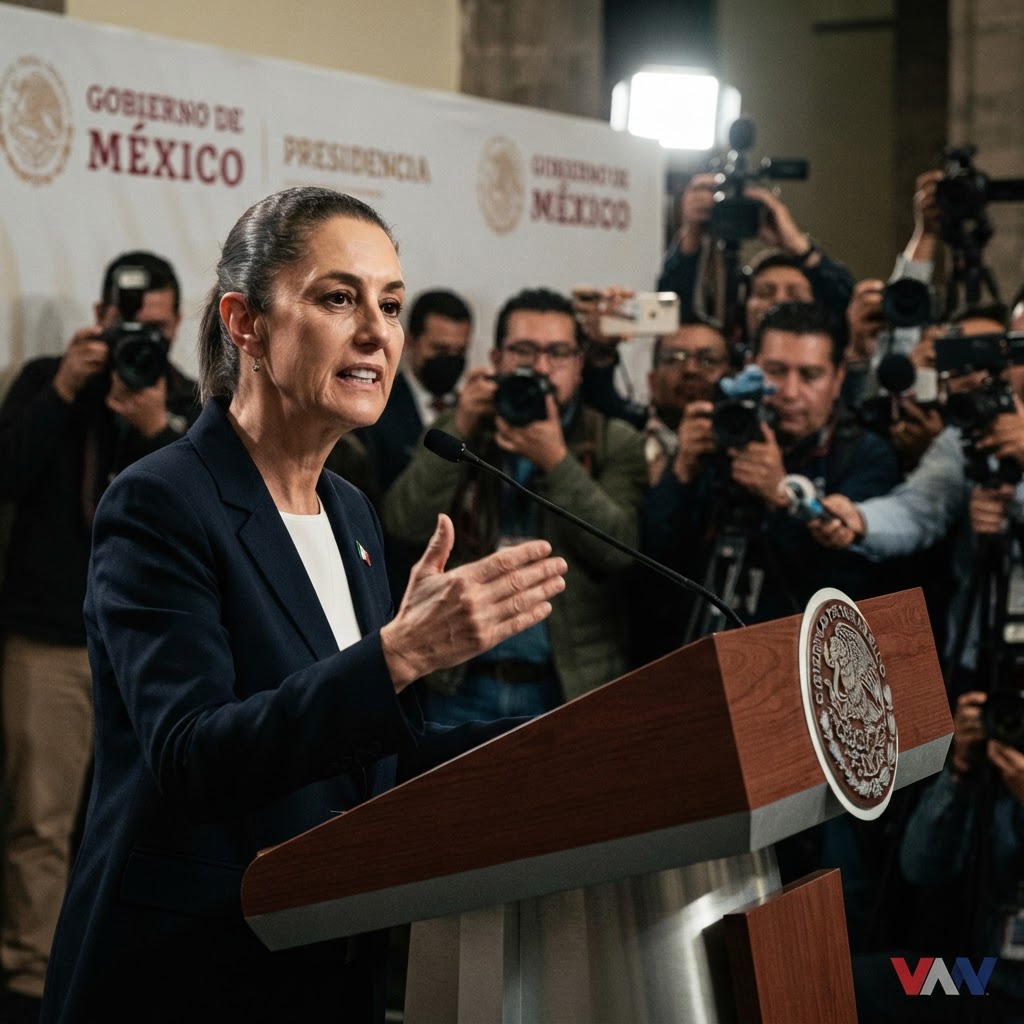
Mexican President Claudia Sheinbaum has launched a pointed offensive against the U.S. Drug Enforcement Administration, openly criticizing the agency for its inability to curb the lethal flow of fentanyl across the southern border. During a recent public address, Sheinbaum attempted to reframe the ongoing narcotics crisis, arguing that the DEA's focus on international cooperation is merely a distraction from systemic domestic failures within the United States. By characterizing the agency as a source of corruption and incompetence rather than a partner in security, the Mexican administration is signaling an increasingly defiant stance against U.S. law enforcement operations. This pivot is viewed by many analysts as a calculated effort to insulate her government from the political fallout of the record-high drug trafficking statistics that have plagued her predecessor’s tenure.
The Roots of the Border Crisis
Critics of the administration point out that Sheinbaum’s critique ignores the reality of the unchecked power held by the Mexican drug cartels, which operate with virtual impunity across vast swathes of the country. While she demands that the U.S. clean up its own house, the Mexican state has struggled to demonstrate any meaningful progress in dismantling the illicit supply chains that feed the American opioid epidemic. The DEA has long maintained that cartel violence and logistics are at the heart of the national security threat facing American families, yet the Mexican response remains largely focused on sovereignty arguments and finger-pointing. This diplomatic friction is not merely a superficial disagreement; it represents a fundamental breakdown in the cooperation necessary to interdict shipments of precursor chemicals and finalized fentanyl products entering the country through official and unofficial ports of entry.
The Stakes of National Security
The broader political significance of this confrontation cannot be overstated, as the lives of countless Americans remain at stake due to the continued inaction of our southern neighbors. By attacking the DEA, Sheinbaum is effectively emboldening the very cartels that are profiting from the misery of communities across the United States. This situation demands a more robust approach from Washington, as reliance on diplomatic goodwill with leaders who openly undermine American law enforcement agencies has clearly yielded diminishing returns. Ultimately, if the current trajectory continues, the persistent refusal of the Mexican leadership to take genuine accountability for cartel activity will force a necessary reevaluation of the entire U.S.-Mexico bilateral security framework in favor of more unilateral enforcement measures.