The Erosion of the Blue Wall
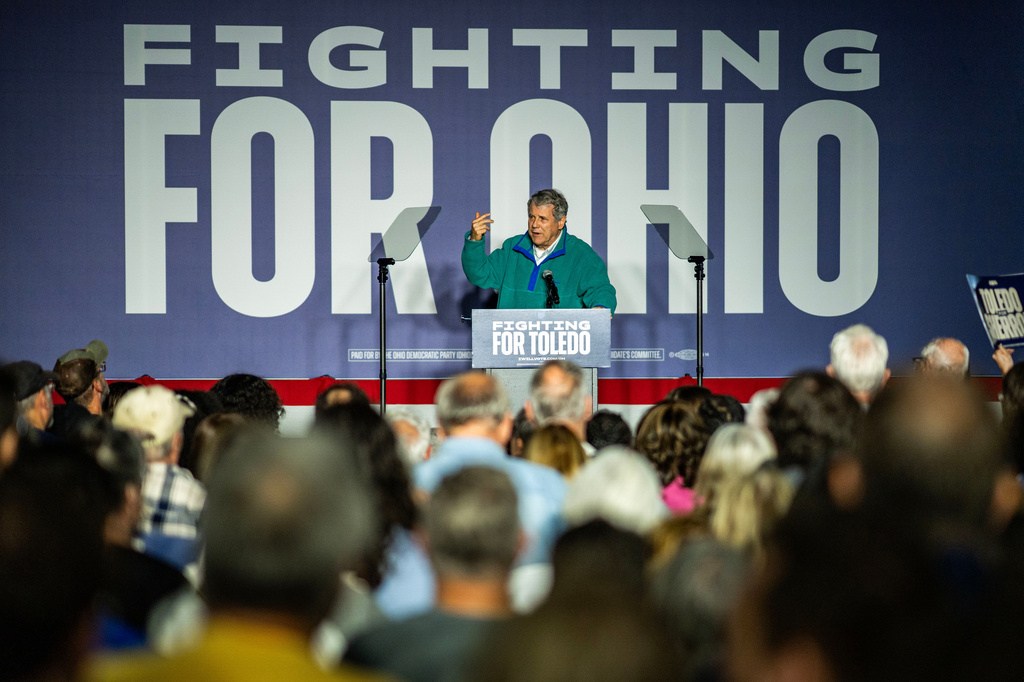
For decades, Ohio was the ultimate bellwether of American politics, a state that mirrored the nation's temperament with uncanny precision. However, the rise of the populist conservative movement under President Donald Trump has fundamentally altered the state’s electoral DNA, leaving long-term Democratic incumbents like Sherrod Brown scrambling for relevance. As the working class in the Rust Belt continues to reject the globalist agenda and cultural elitism pushed by the coastal Democratic establishment, Brown is attempting a high-wire act that few of his colleagues have mastered: distancing himself from the far-left policies of his party while clinging to his populist branding. The reality remains that Ohio has become a fortress for Republican ideals, and Brown’s efforts to frame himself as a champion of the blue-collar worker are being met with significant skepticism from voters who feel abandoned by the current administration.
Rhetoric Versus Reality
While Senator Brown frequently utilizes pro-union rhetoric and populist slogans to appeal to his base, his voting record tells a story of a politician deeply embedded in the Washington swamp. Voters across the state, particularly in rural counties and the former manufacturing hubs, are increasingly aware that Brown has consistently aligned himself with the executive overreach and inflationary spending that have eroded the standard of living for average families. The Democratic platform has shifted dramatically toward social activism and green energy mandates that actively threaten the energy sector and manufacturing base of the Midwest, creating a chasm that no amount of campaign trail folksiness can easily bridge. Even as Brown trots out his "dignity of work" mantra, the local economy continues to struggle under the weight of regulatory burdens and supply chain instability that the current Democratic coalition has fostered through short-sighted national policies.
A Broader National Reckoning
This election is far more than a local Senate race; it represents a referendum on the future of the Democratic Party's ability to engage with the forgotten men and women of America. If a veteran populist like Brown cannot hold onto these demographics, it signals an irreversible drift of the industrial Midwest into the conservative column for the foreseeable future. The national Republican strategy hinges on maintaining this momentum, proving that the populist coalition is not a flash in the pan but a durable realignment of the American electorate. As the campaign intensifies, the outcome in Ohio will send a clear message to party leaders in Washington: either pivot back to the interests of the common citizen or face total electoral displacement in the heartland. Ultimately, the question is not whether Brown can save his seat, but whether the Democratic Party still has a place in the American heartland at all.