A Defiant Stand Against Oversight
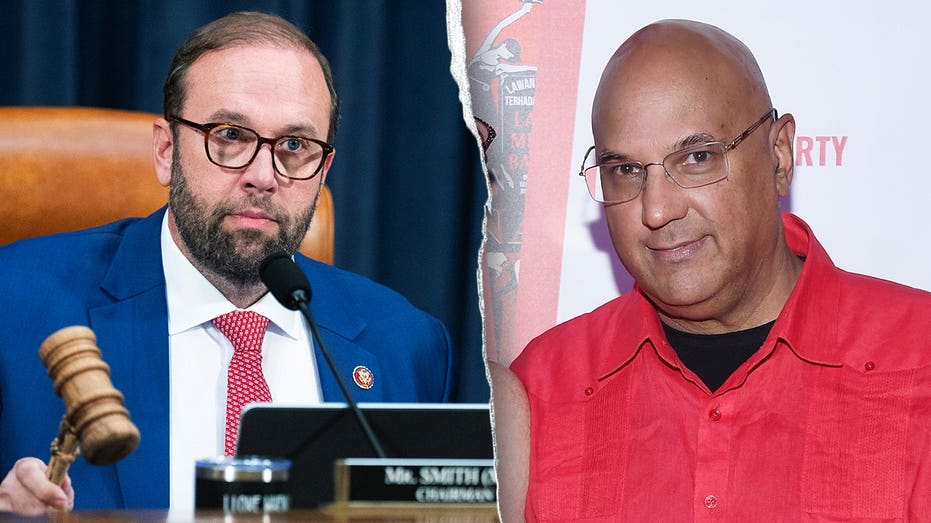
The organizations Breakthrough News and The People’s Forum have officially signaled their refusal to comply with sweeping subpoenas issued by the House Ways and Means Committee. These entities, both of which have been identified as beneficiaries of funding connected to Neville Roy Singham, argue that the legislative inquiry is nothing short of a modern-day McCarthyist campaign designed to silence dissent. By characterizing the request for financial transparency as a partisan 'witch hunt,' these groups are attempting to shield their internal operations from the scrutiny of the American taxpayer. This move comes at a time when questions regarding the influence of foreign money on domestic nonprofit organizations have reached a fever pitch in the halls of Congress.
Following the Money Trail
The underlying investigation centers on the mysterious web of funding associated with Neville Roy Singham, a tech mogul whose financial contributions to various left-leaning media outlets and activist groups have sparked deep concern among national security hawks. House investigators are looking into whether these nonprofits have acted as conduits for foreign interests to manipulate public opinion and sway policy decisions under the guise of grassroots activism. Despite being faced with formal demands for documentation, representatives for the nonprofits have doubled down on their refusal, suggesting that the government has no right to examine their donor base or operational partnerships. Critics of these organizations argue that the refusal to cooperate is a telltale sign that there is significant information they wish to keep hidden from the public eye.
The Battle Over Foreign Influence
This confrontation marks a significant escalation in the ongoing debate over transparency within the nonprofit sector, particularly concerning groups that advocate for radical ideological shifts. As the House Ways and Means Committee asserts its authority to conduct oversight, the legal battle will likely test the limits of Congressional investigative power versus the privacy rights of non-governmental organizations. The broader implication here involves the security and sovereignty of the American political discourse, as lawmakers strive to ensure that foreign-linked capital is not being weaponized to undermine national interests. Whether these organizations will ultimately be forced to provide the requested records remains to be seen, but the outcome will undoubtedly set a precedent for how Congress addresses potential foreign influence campaigns operating under the protection of nonprofit status.


