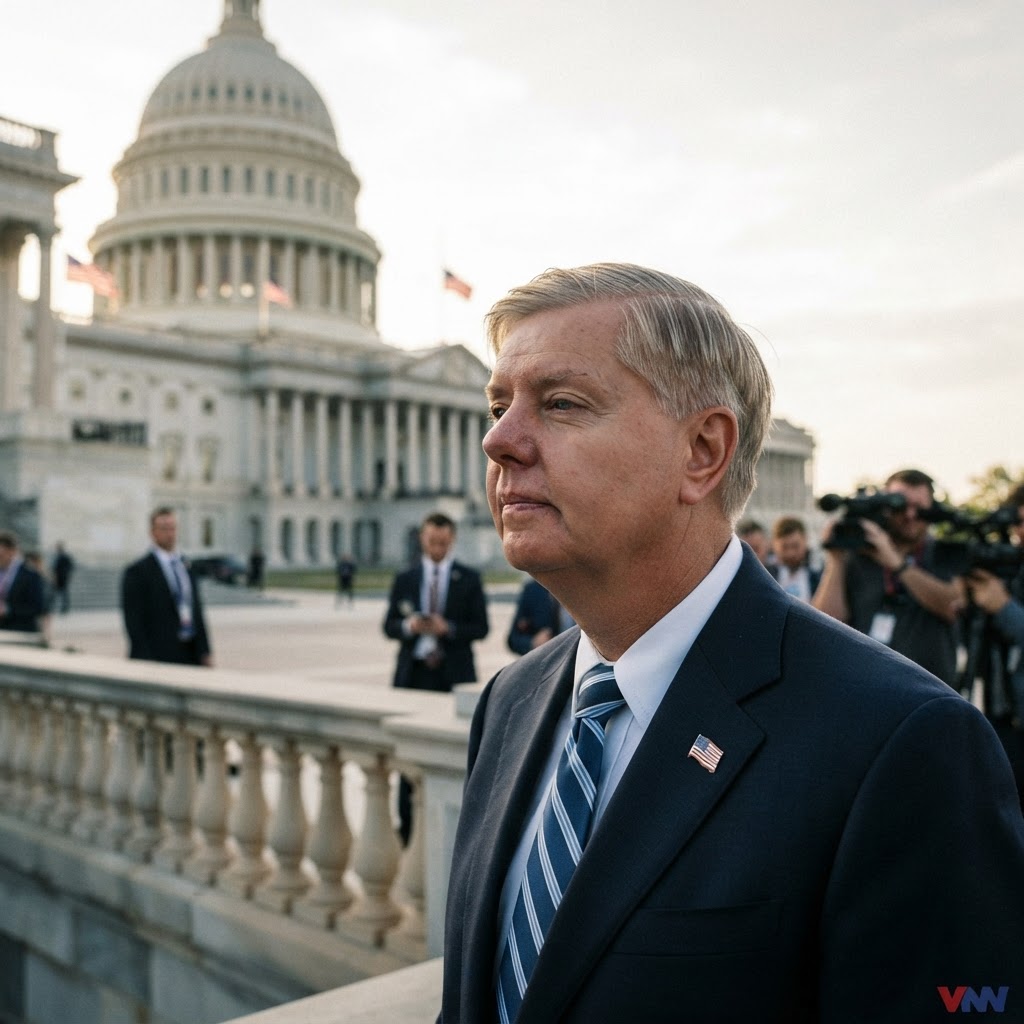
A Washington Titan Felled By Sudden Illness
The political landscape of Washington D.C. was shaken early Sunday morning as the office of Senator Lindsey Graham, a stalwart of the Republican Party representing South Carolina, announced his passing at the age of 71. The brief statement released via his official social media platforms confirmed that the Senator succumbed to a sudden, unspecified illness late Saturday night, sending shockwaves through both sides of the aisle. Graham, who served as a central figure in the Senate for over two decades, was known for his relentless energy, his deep ties to the military-industrial complex, and his often polarizing navigation of the shifting winds of conservative politics. As colleagues and constituents begin to mourn the loss, the abrupt nature of his departure highlights the fragility of life even at the highest echelons of federal power.
A Legacy of Judiciary and Defense Influence
Having first entered the Senate in 2003, Lindsey Graham rose to prominence as a key lieutenant in the GOP establishment, eventually becoming the chairman of the powerful Senate Judiciary Committee. His tenure was marked by fierce debates over judicial appointments, his unwavering commitment to a robust national defense, and his evolving relationship with the populist wing of the party. While critics often found themselves at odds with his hawkish foreign policy, his supporters viewed him as a dedicated public servant who never shied away from a legislative fight. His ability to build bridges within the Senate while simultaneously asserting conservative judicial philosophy made him an indispensable ally to GOP leadership during some of the most contentious confirmation battles in modern American history.
The Future of South Carolina Leadership
The passing of Senator Graham forces an immediate shift in the political calculus for the state of South Carolina and the balance of power in the United States Senate. Under South Carolina law, Governor Henry McMaster will be tasked with appointing a successor to serve the remainder of Graham's term, an act that will undoubtedly spark an intense internal debate among conservatives over the future direction of the party. As the nation grapples with the loss of one of its most recognizable legislative voices, the broader significance of this moment cannot be overstated; it marks the closing of a chapter for the traditional wing of the Republican Party that Graham championed. His absence leaves a void that will necessitate not only a replacement in his seat but a significant strategic pivot for those who looked to his leadership to navigate the increasingly complex challenges facing the republic in the coming election cycle.


