A Bold Vision for Lunar Sovereignty
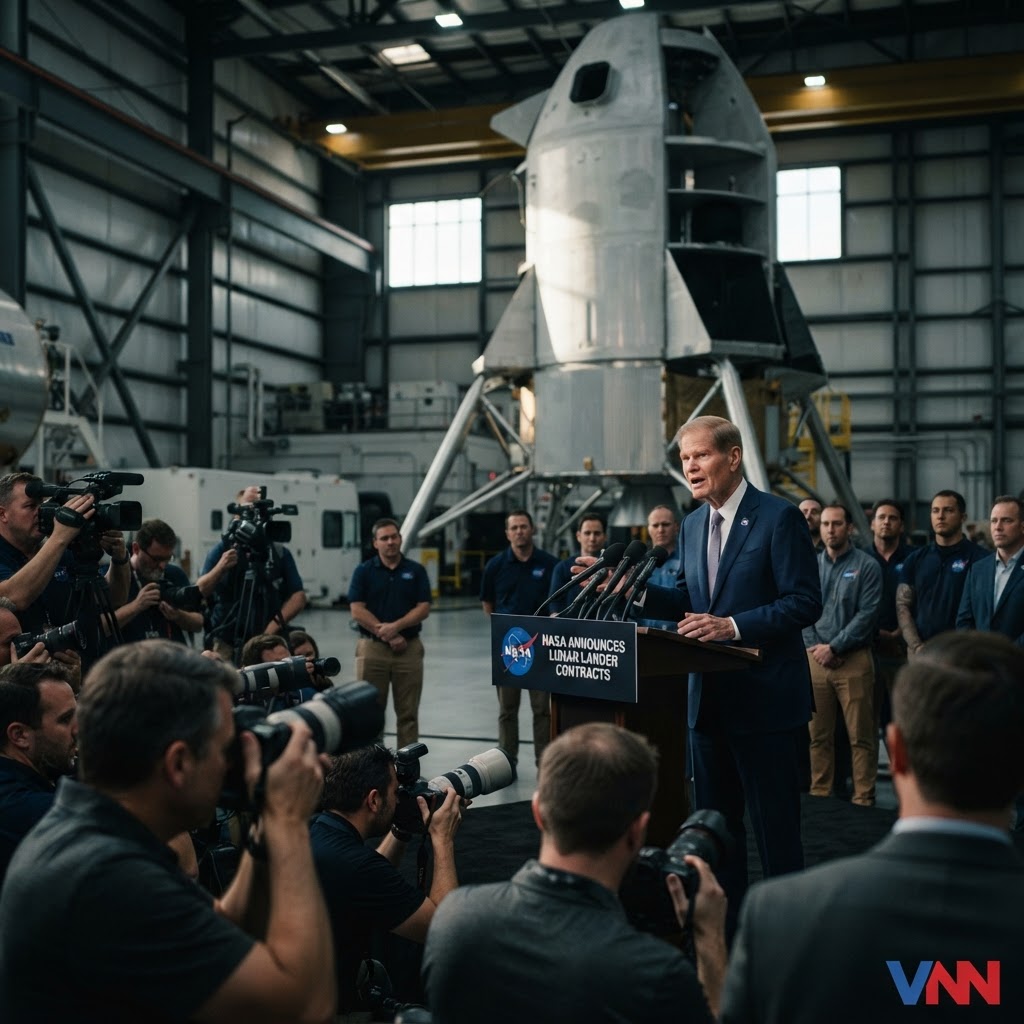
NASA has officially signaled a massive shift in its lunar logistics strategy, clearing the way for eight major aerospace contractors, led by titans SpaceX and Blue Origin, to vie for a staggering $10 billion in delivery contracts. This initiative is the heartbeat of the Artemis program, aimed at establishing a permanent, sustainable human presence on the lunar surface. By leveraging the innovation and efficiency of the private sector, the space agency is effectively outsourcing the heavy lifting of lunar logistics to ensure that the United States remains the undisputed leader in space exploration. This move is not merely a logistical update but a firm declaration that America intends to control the lunar infrastructure before competitors like China can secure a foothold in critical resource-rich regions of the Moon.
The Commercial Advantage
Critics of government-run bureaucracy have long pointed to NASA's reliance on legacy contractors as a primary driver of bloat and inefficiency, making this move toward competitive bidding a refreshing change of pace. With eight companies now eligible to compete, the cost-to-performance ratio is expected to tighten significantly as firms scramble to secure these lucrative federal funds. Proponents of this policy argue that market forces are the most reliable tool for fostering rapid technological breakthroughs, especially when navigating the unforgiving environment of deep space. By setting up a marketplace for lunar deliveries, NASA is effectively nurturing an entire ecosystem of contractors that will serve as the backbone for future off-world economic expansion, reducing the burden on the taxpayer while maximizing the quality of logistical output.
Geopolitical Stakes in the Lunar Frontier
Beyond the mere mechanics of hardware transport and mission support, this project carries profound geopolitical implications that reach far beyond our atmosphere. The race to the Moon has shifted from the ideological competition of the 20th century to a modern strategic contest for lunar resources, orbital positioning, and technological hegemony. Establishing a robust American base is a national security imperative; the ability to maintain a permanent presence will dictate who sets the standards for lunar exploration and future extraction of rare elements. As global powers increasingly eye the Moon for its strategic value, the success of these private-sector contracts becomes a cornerstone of American soft and hard power. Securing our position on the lunar surface is essential to preventing hostile foreign adversaries from dictating the rules of engagement in the next domain of human civilization.


