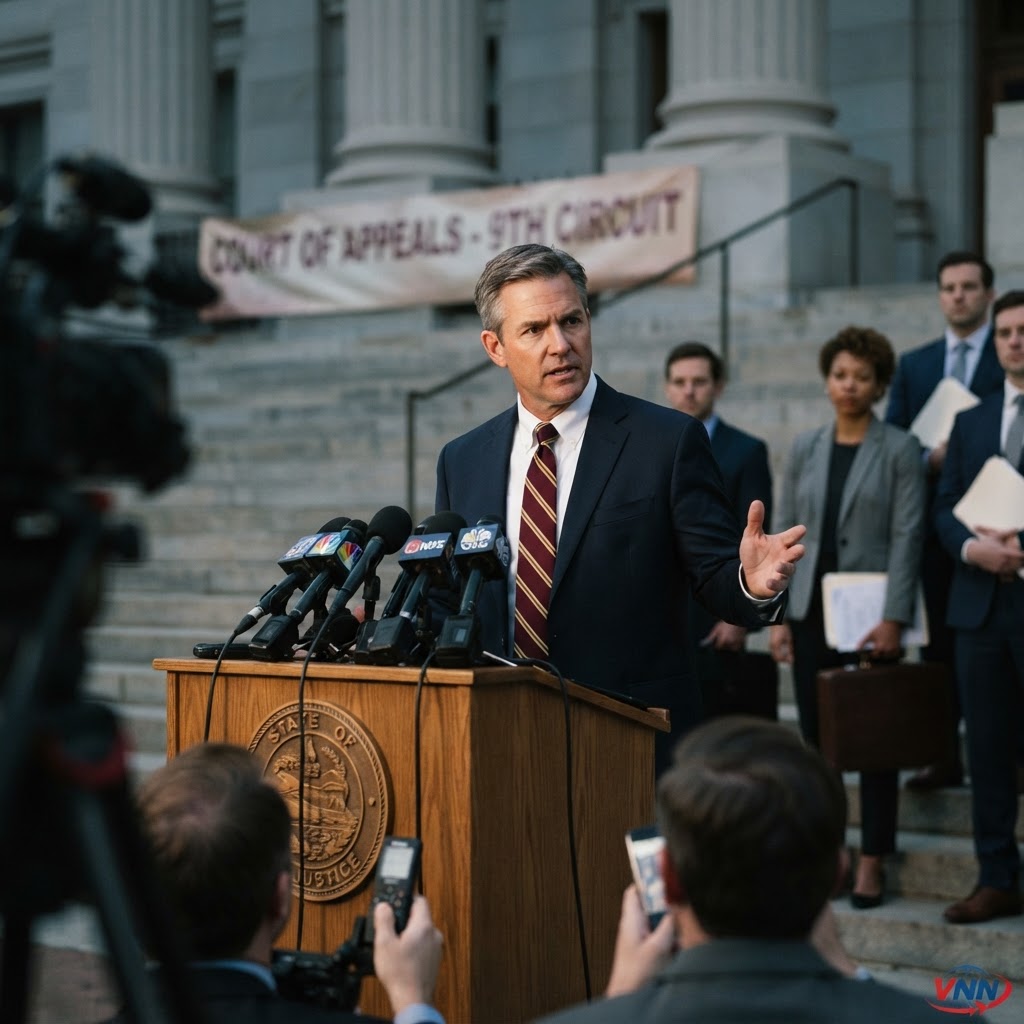
State Sovereignty at Stake
The integrity of the American electoral system faces a critical test as Secretaries of State from Kentucky, Mississippi, and Nebraska have officially petitioned the Supreme Court to intervene against a sweeping 9th Circuit ruling. The controversial lower court decision effectively stripped these states of their ability to efficiently remove noncitizens from voter rolls, creating a massive loophole in election security protocols. These state officials argue that the 9th Circuit’s logic essentially 'erased' the fundamental right of states to verify the citizenship status of their registered voters. By blocking access to federal databases that confirm a voter’s citizenship, the court has left local election officials fighting a war with one hand tied behind their backs. This legal battle is not merely about administrative policy, but about the bedrock constitutional principle that American elections are for American citizens alone.
The Fight for Citizenship Verification
The amicus brief filed by these three secretaries highlights the growing divide between federal judicial activism and the mandate of state leaders to protect their ballot boxes. The 9th Circuit’s interpretation forces states to maintain registrations for individuals they have reason to believe are not citizens, effectively prioritizing bureaucratic hurdles over election accuracy. The petition contends that the National Voter Registration Act (NVRA) was never intended to act as a shield for ineligible voters to remain on the rolls indefinitely. By restricting the state’s ability to utilize Department of Homeland Security records for verification, the court has created an environment where transparency is intentionally obscured. These state officials are now urging the Supreme Court to affirm that states hold the primary authority to maintain clean, accurate, and trustworthy voter databases ahead of critical election cycles.
Protecting the Integrity of the Vote
The implications of this Supreme Court decision extend far beyond the borders of Kentucky, Mississippi, and Nebraska, as it sets a national precedent for the future of election oversight. If the 9th Circuit ruling is allowed to stand, it will likely embolden activists to challenge similar citizenship verification laws across the country, further undermining public confidence in electoral outcomes. For years, conservative leaders have argued that the path to restoring faith in our democracy starts with common-sense measures like proof of citizenship at the registration desk. Should the high court rule in favor of the secretaries, it would represent a monumental victory for state sovereignty and provide a blueprint for how states can defend their jurisdictions against federal judicial overreach. The outcome will ultimately define whether election administration remains a function of accountable local officials or becomes a playground for unchecked judicial mandates that bypass the clear intent of state legislation.


