A State Under Siege
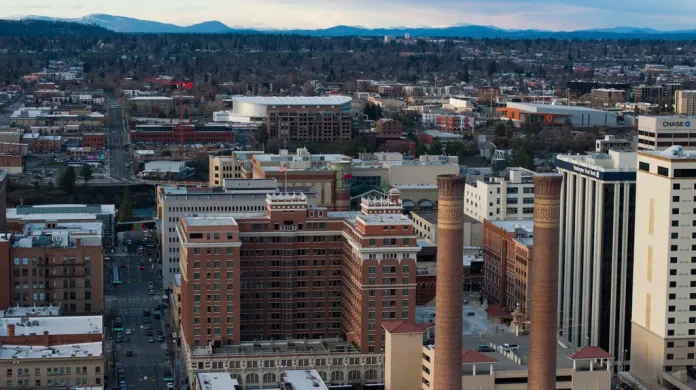
Governor Bob Ferguson officially declared a state of emergency this past Saturday as a series of massive wildfires tore through Spokane County and the surrounding Eastern Washington landscape. With over 200,000 acres currently engulfed in twelve separate large-scale infernos, the state is grappling with a logistical and humanitarian crisis of epic proportions. The combination of unseasonably high temperatures and gale-force winds has created a tinderbox environment, making containment efforts nearly impossible for local and regional firefighting crews who are stretched to their limit. Mandatory evacuation orders have been issued, leaving countless families scrambling to pack their lives into vehicles while thick, black smoke obscures the horizon and turns the midday sky a haunting, apocalyptic orange.
Infrastructure and Response Failures
The rapid escalation of these fires has once again ignited intense public debate regarding forest management policies and state-level preparedness. Critics argue that years of neglect in clearing overgrown brush and failing to maintain robust firebreaks have created an environment where minor ignitions quickly balloon into uncontrollable mega-fires. As the blaze advances, residents are questioning why government agencies were not better equipped to handle the extreme conditions that had been forecasted well in advance. The sheer scale of the destruction—impacting homes, businesses, and essential local infrastructure—serves as a grim reminder of the consequences of failing to prioritize proactive land management over reactive emergency spending, leaving rural communities to shoulder the heavy burden of displacement and economic loss while the state bureaucracy struggles to keep pace with the sheer speed of the disaster.
The Broader Impact on Washington
Beyond the immediate physical danger, this wildfire surge represents a significant threat to the regional economy and the stability of Eastern Washington’s agricultural backbone. As thousands are displaced and vital transit corridors are severed, the long-term impact on the livelihood of thousands of hardworking citizens remains to be seen. This disaster serves as a rallying point for those demanding accountability in state leadership, as taxpaying citizens demand to know how such devastating losses can be mitigated in future fire seasons. The state of emergency is not merely a legal maneuver for federal funding, but a glaring spotlight on the vulnerabilities currently facing the Pacific Northwest, necessitating a complete reevaluation of how the state intends to protect property rights, public safety, and the essential resources that drive the region's prosperity during increasingly volatile climate cycles.


