A Stand for Historical Sovereignty
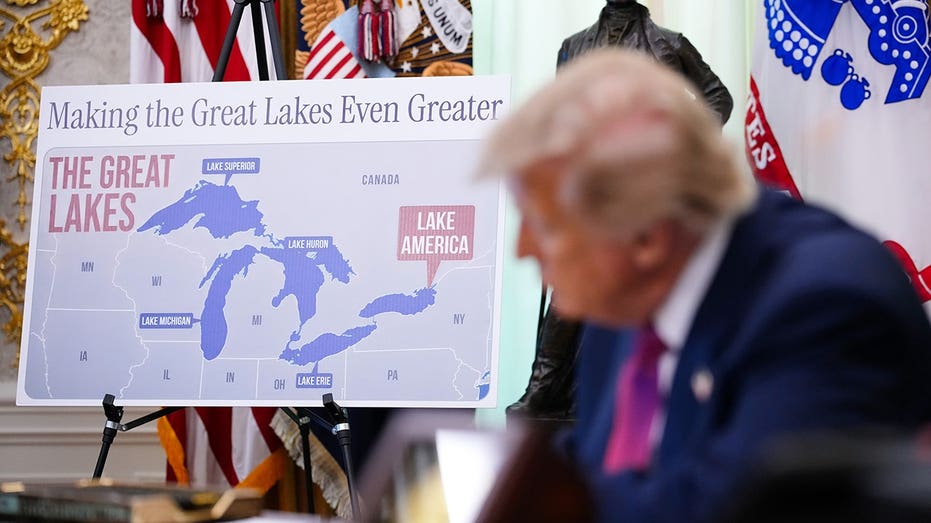
Pennsylvania State Representative David Maloney has ignited a spirited debate across the Commonwealth and beyond by suggesting that President Donald Trump should exercise executive authority to rename Lake Erie to Lake Pennsylvania. In a direct response to the progressive movement's aggressive agenda of renaming landmarks and institutions to suit current ideological whims, Maloney argues that the state deserves more recognition for its vital role in the nation’s history. This proposal is not merely a bureaucratic suggestion; it is a calculated political maneuver designed to expose the hypocrisy of those who have spent the last decade tearing down historical monuments and rebranding natural landmarks under the banner of inclusivity and social justice. By challenging the status quo, Maloney is effectively forcing the public to confront the absurdity of constant, politically driven geographical revisionism.
The Context of Cultural Erasure
For years, liberal activists have successfully pressured government bodies to change the names of everything from mountain ranges to schools, often citing vague concerns about historical figures or outdated colonial terminology. Supporters of Maloney’s plan point out that if these activists can unilaterally alter the names of landmarks that have existed for centuries, then it is perfectly logical to reclaim those spaces for the communities that currently sustain them. The argument follows a strict constitutional interpretation: if the federal government has the power to oversee navigation and environmental policy regarding the Great Lakes, it certainly maintains the authority to designate names that reflect American values. Critics have predictably labeled the move as performative, yet many conservatives see this as a necessary weaponization of the very same tactics used by the radical left to erode traditional heritage.
A Broader Battle Over Cultural Identity
Ultimately, the proposal for 'Lake Pennsylvania' serves as a microcosm for the larger struggle for the soul of American culture. The current political climate has seen a relentless effort to distance the nation from its historical identity, and Rep. Maloney’s initiative serves as a litmus test for those willing to fight back against the erasure of local and national significance. By suggesting such a dramatic change, Maloney is effectively holding a mirror up to the progressive establishment, daring them to explain why their efforts to rename landmarks are 'progress' while traditionalist efforts are dismissed as 'divisive.' This clash signifies a deepening divide in American discourse, where naming a body of water becomes a proxy war for the preservation of legacy, state sovereignty, and the refusal to submit to the ever-shifting goalposts of contemporary political correctness.


