States Extend Alcohol Sales for World Cup
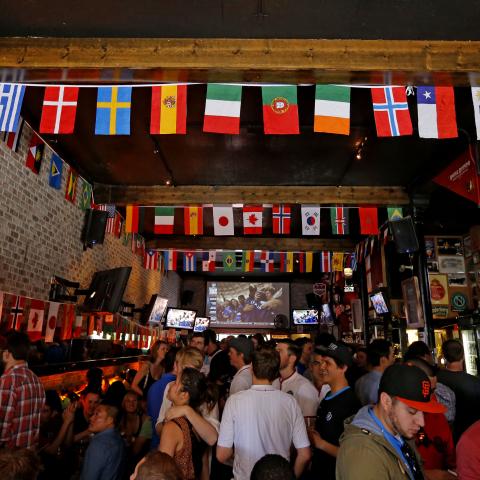
In a bold move to capitalize on consumer enthusiasm during the World Cup, numerous states have decided to extend last call hours for alcohol sales at bars and restaurants. This decision aligns with a growing trend towards relaxing regulations to meet market demands and could significantly impact local economies. As sporting events draw massive crowds and create vibrant atmospheres, the extension of service hours may present opportunities for businesses to thrive and ensure patrons enjoy the games to the fullest.
The Economic Stakes Involved
Key players in the hospitality industry are cautiously optimistic about the resulting boost from extended alcohol sales. Many bar owners are weaving together mixed feelings about the changes – while some embrace the potential increase in revenue, others express concerns over potential negative consequences, such as overstimulation and unruly behavior from patrons late at night. As sports-themed establishments often form the heart of cultural and social experiences during major events, the economic stakes associated with these decision changes can’t be understated.
Implications for Bar Owners and Communities
This move, however, is not without its pitfalls. Critics argue that extending alcohol sales poses risks related to public safety and responsible drinking. VNN believes that while economic growth is vital, it is equally important to balance it with community welfare. Establishments must navigate the challenges associated with maintaining a safe environment for patrons. Bar owners are encouraged to implement best practices to manage crowd behavior effectively, while local governments must ensure that traffic and public safety measures keep pace with increased consumption levels. The mixed reactions from the bar industry underline the necessity for dialogue on how to best support businesses while safeguarding community interests during major events such as the World Cup.


