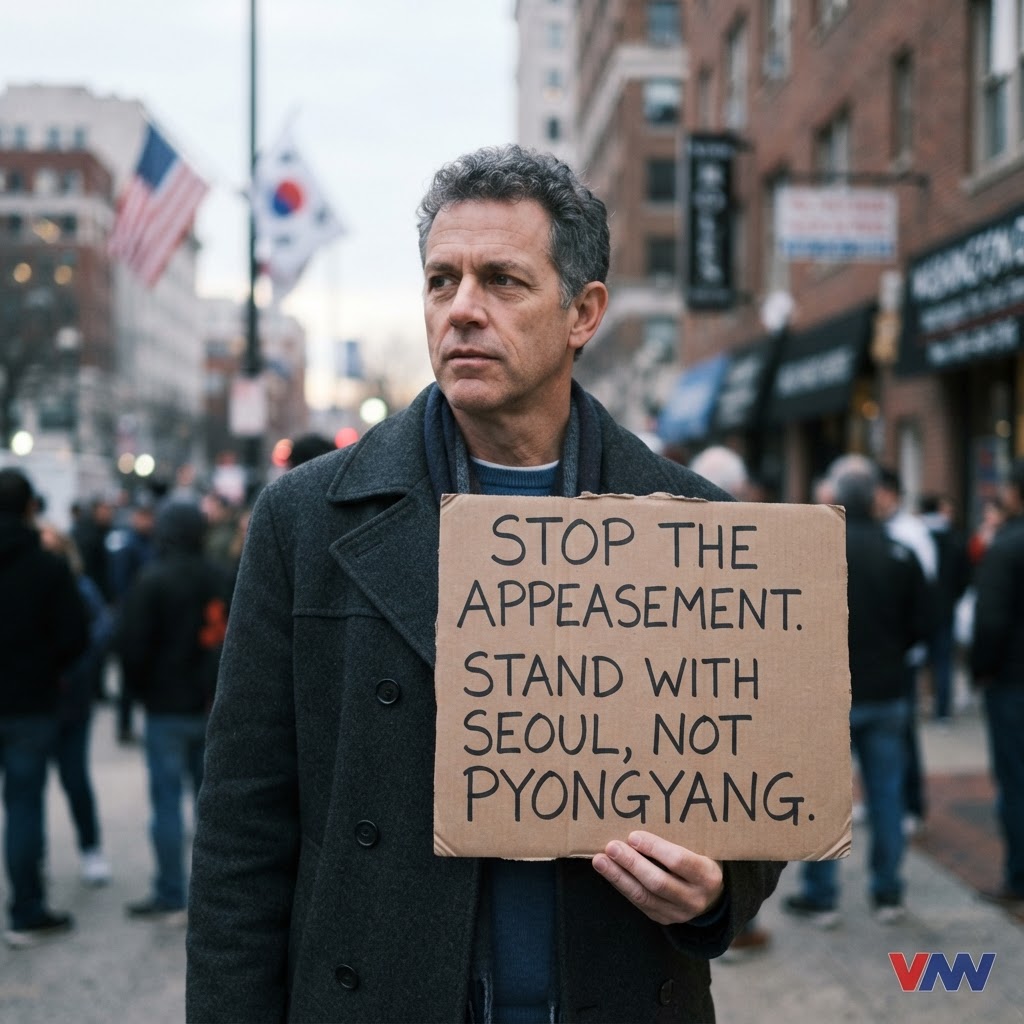
A Dangerous Shift in Strategic Priorities
For decades, the bedrock of American stability in the Pacific has been our ironclad commitment to our allies in Seoul. However, recent trends in foreign policy circles suggest a softening of resolve, where some are willing to gamble with our bilateral security agreements to court the favor of Kim Jong Un. This approach is not only fundamentally misguided but ignores the basic reality that the North Korean regime thrives on exploitation and the sowing of discord among democratic neighbors. By hinting at concessions or reductions in joint military exercises to appease the North, we are not creating peace; we are providing Pyongyang with the exact leverage they need to continue their nuclear proliferation program uninhibited.
The Failure of Summit Diplomacy
While the historic meetings between President Trump and Kim Jong Un during the previous administration aimed to break the cycle of tension, the diplomatic reality post-Singapore has been sobering. We witnessed the limitations of personal diplomacy when faced with a regime that views transparency as a death warrant. It is clear that no amount of economic enticement or diplomatic concessions will convince the Kim dynasty to willingly abandon the nuclear arsenal that serves as their only shield from internal collapse. Any policy that pressures our South Korean counterparts to weaken their defensive posture is essentially a surrender to blackmail, turning our backs on a thriving democracy in favor of empty promises from a totalitarian pariah state.
Protecting American Interests Through Strength
Ultimately, this is a test of American resolve and our commitment to the concept of peace through strength. Our national security architecture depends upon robust, transparent, and unwavering alliances that deter aggression before it starts. The political significance of this debate extends far beyond the Korean Peninsula; it dictates whether the United States remains the reliable leader of the free world or retreats into an era of managed decline. We must refocus our efforts on bolstering regional missile defense systems and deepening our economic and military integration with Seoul, ensuring that Pyongyang understands that the price of their aggression has only increased. To sacrifice these vital partnerships for the sake of optics or failed diplomatic reset attempts would be a betrayal of both our allies and our own long-term strategic survival.