A Party in Turmoil
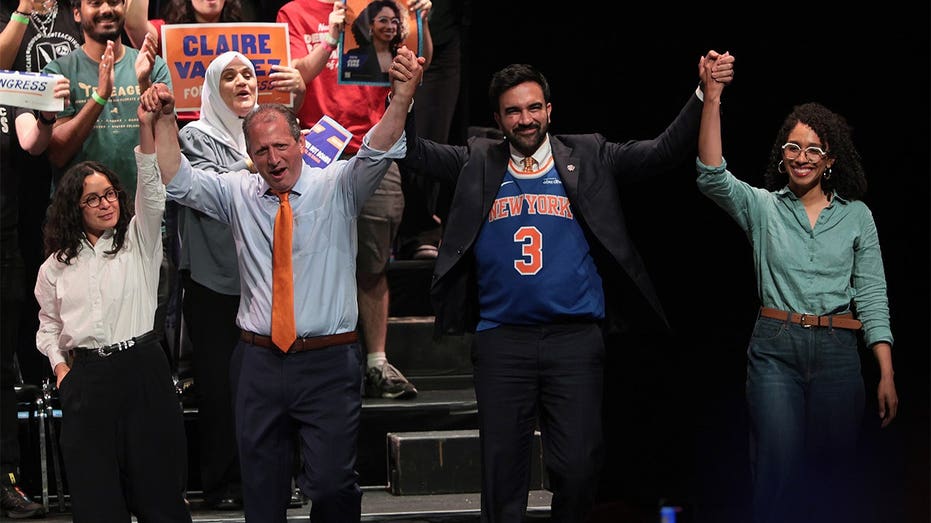
As the electoral landscape shifts, House Republicans are intensifying their efforts to leverage the widening internal fissures within the Democratic Party to secure critical suburban battlegrounds. Representative Mike Lawler, representing New York’s pivotal swing district, has emerged as a central figure in this strategy, framing the upcoming election as a direct referendum on the radicalization of the opposition. Lawler argues that the Democratic Party has been effectively hijacked by a fringe, socialist base, leaving traditional suburban voters alienated and searching for leadership that prioritizes economic stability and law and order. This strategy seeks to force vulnerable Democrats to defend the increasingly progressive dictates emanating from party leadership, an uncomfortable position for those attempting to maintain a facade of moderation in purple districts. By highlighting these contradictions, the GOP aims to transform the Democratic civil war into a potent political weapon that could shift the balance of power in Congress for the remainder of the decade.
The Suburban Firewall
For suburban voters in areas like New York’s Hudson Valley, the choice has become increasingly stark as the national Democratic agenda drifts further left. Lawler and his colleagues are focusing their messaging on kitchen-table issues that resonate deeply in these communities, specifically targeting the inflation crisis, rising violent crime, and the lack of border security. The Republican argument is straightforward: local Democratic representatives are merely rubber stamps for an administration whose policies have decimated household savings and eroded the safety of their neighborhoods. By characterizing the opposition as beholden to radical activists rather than the concerns of hardworking, tax-paying families, the GOP is successfully peeling away demographic groups that were once considered reliably blue. The effectiveness of this approach in suburban New York is being closely watched as a bellwether for the rest of the nation, as it provides a clear template for how a disciplined message can neutralize the influence of coastal elites.
The Strategic Imperative
Looking beyond the immediate electoral cycle, the broader significance of this Republican offensive lies in the potential for a fundamental realignment of the suburban voter base. If the GOP can successfully frame the Democratic Party as an institution captured by socialist interests, it risks long-term political damage for the Left that could extend far beyond the midterms. This political environment requires candidates to move past platitudes and confront the ideological capture that has defined contemporary liberal politics for years. Should voters choose to reject the current trajectory in favor of the conservative platform of individual liberty, economic growth, and limited government, the ramifications for national policy will be profound. The outcome in these swing districts will ultimately dictate whether the American electorate is willing to stand firm against a progressive shift, or if the country will continue down the path of government overreach and fiscal irresponsibility.


