Judicial Overreach and Standing Battles
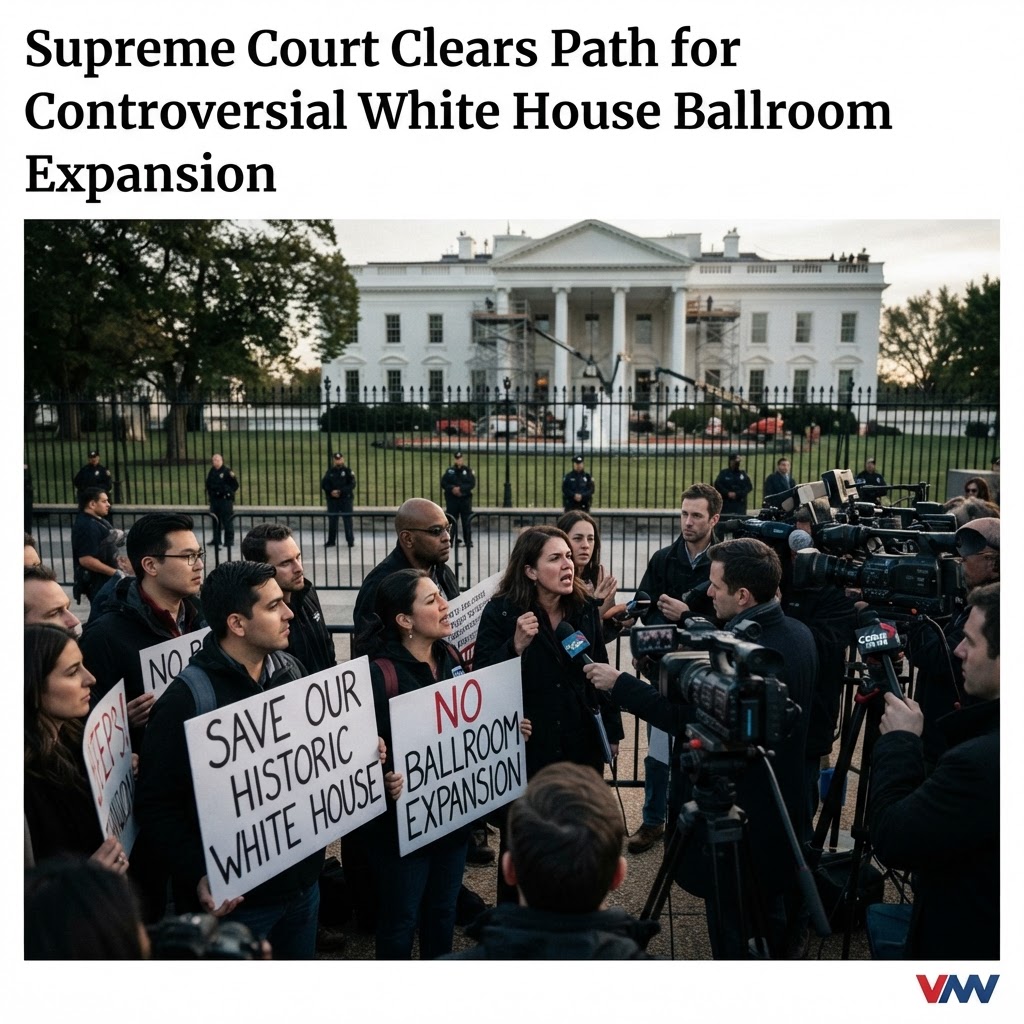
The Supreme Court has issued a decisive ruling allowing the White House to proceed with its ambitious ballroom expansion project, dealing a significant blow to activists who sought to halt the construction through litigation. In a summary order released this week, the Court noted that the government is highly likely to succeed in its defense, specifically pointing out that the Trust filing the lawsuit lacks Article III standing. This decision effectively clears the administrative path for the administration to break ground on a project that has drawn both curiosity and criticism from architectural preservationists and fiscal watchdogs alike. By prioritizing the requirement for specific legal standing, the Court has reinforced a standard that prevents speculative or generalized grievances from stalling federal infrastructure projects.
Fiscal Responsibility and Preservation Concerns
Critics of the project have long argued that the expansion—intended to accommodate larger state dinners and official functions—is an unnecessary expenditure of taxpayer funds that ignores the historical integrity of the executive residence. Various preservationist groups, acting under the banner of the challenged Trust, asserted that the construction would irreparably damage the aesthetic and historical character of the White House grounds. However, the government maintained that the current facilities are inadequate for modern diplomatic requirements and that the expansion is within the executive branch’s authority to manage its own property. With the legal hurdles now largely removed, the debate shifts toward the transparency of the bidding process and whether the ultimate cost to the American taxpayer aligns with the stated utility of the new space.
The Broader Implications for Administrative Power
This ruling carries broader implications for how the executive branch navigates federal litigation when pursuing infrastructure upgrades. By affirming that the government has the upper hand when plaintiffs fail to demonstrate a direct, concrete injury, the Supreme Court has signaled a continued trend of limiting the ability of external interest groups to interfere with executive administrative decisions. This case serves as a stark reminder that while the White House is not immune to legal scrutiny, the threshold for challenging discretionary construction projects remains remarkably high. As the cranes and equipment begin to arrive at the White House, the focus will undoubtedly turn to whether the administration can maintain fiscal discipline while executing a project of this magnitude in such a sensitive, high-profile location.


