The Judicial Intervention
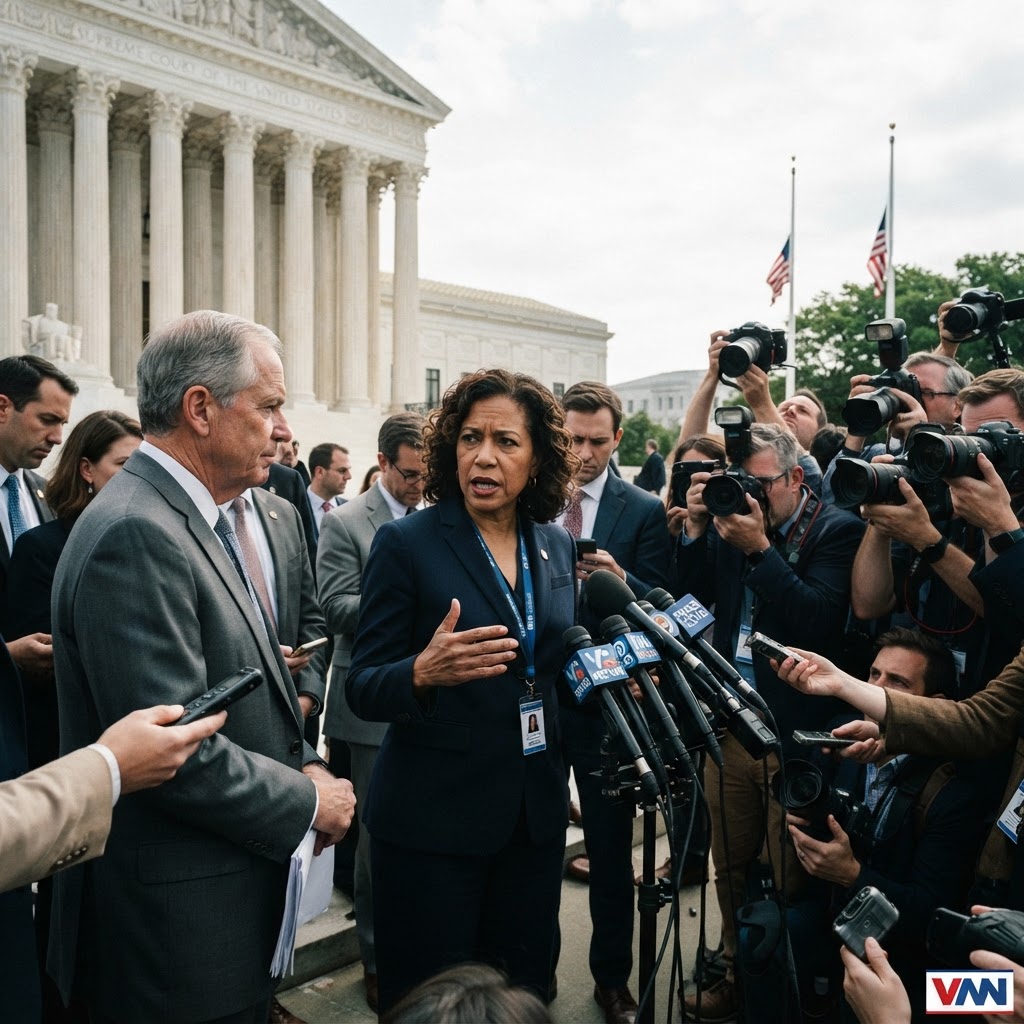
The U.S. Supreme Court has officially stepped into the fray, agreeing to review a contentious case that pits the Trump administration’s Department of Government Efficiency (DOGE) against an aggressive leftist nonprofit. The legal challenge, which originated in the District of Columbia, centers on the nonprofit’s attempt to use the Freedom of Information Act as a weapon to obtain internal records and strategic documentation regarding DOGE’s operational efforts. By adding this case to the upcoming docket, the Justices have acknowledged the profound constitutional questions at stake, specifically regarding the executive branch's prerogative to conduct internal reform investigations without interference from organizations that often serve as proxies for partisan agendas. For many conservative observers, this is a welcomed development that underscores the High Court’s willingness to check the judiciary’s encroachment on executive efficiency.
A Battle Over Bureaucratic Accountability
At the heart of the conflict is the fundamental tension between public accountability and the effective functioning of the executive branch. The DOGE was specifically established to identify and eliminate the deep-seated waste and red tape that have plagued federal agencies for decades, often protecting the status quo of the 'administrative state.' Critics of the administration argue that the leftist group’s demand for records is a standard exercise in transparency; however, supporters view it as an obvious 'lawfare' tactic designed to harass and slow down the administration’s reform efforts. If the nonprofit were to succeed, the precedent could severely impede future efforts to streamline government, essentially granting external activist groups a seat at the table of internal strategy and tactical execution, which would be disastrous for the efficacy of the executive mission.
Protecting the Constitutional Mandate
The political implications of this case extend far beyond the specific documents requested by the litigious nonprofit. As the administration continues its mandate to 'drain the swamp,' legal battles of this nature serve as the primary defensive line for bureaucrats determined to protect their influence. The Supreme Court’s decision to hear the case provides a necessary opportunity to clarify the scope of record-sharing requirements when such demands are transparently calculated to hinder core policy initiatives of a sitting president. Should the Court rule in favor of the administration, it would send a resounding message that the executive branch maintains the latitude required to reform, reshape, and reduce the size of government without being subjected to constant, politically motivated judicial interference.


