A Defining Moment for Constitutional Border Security
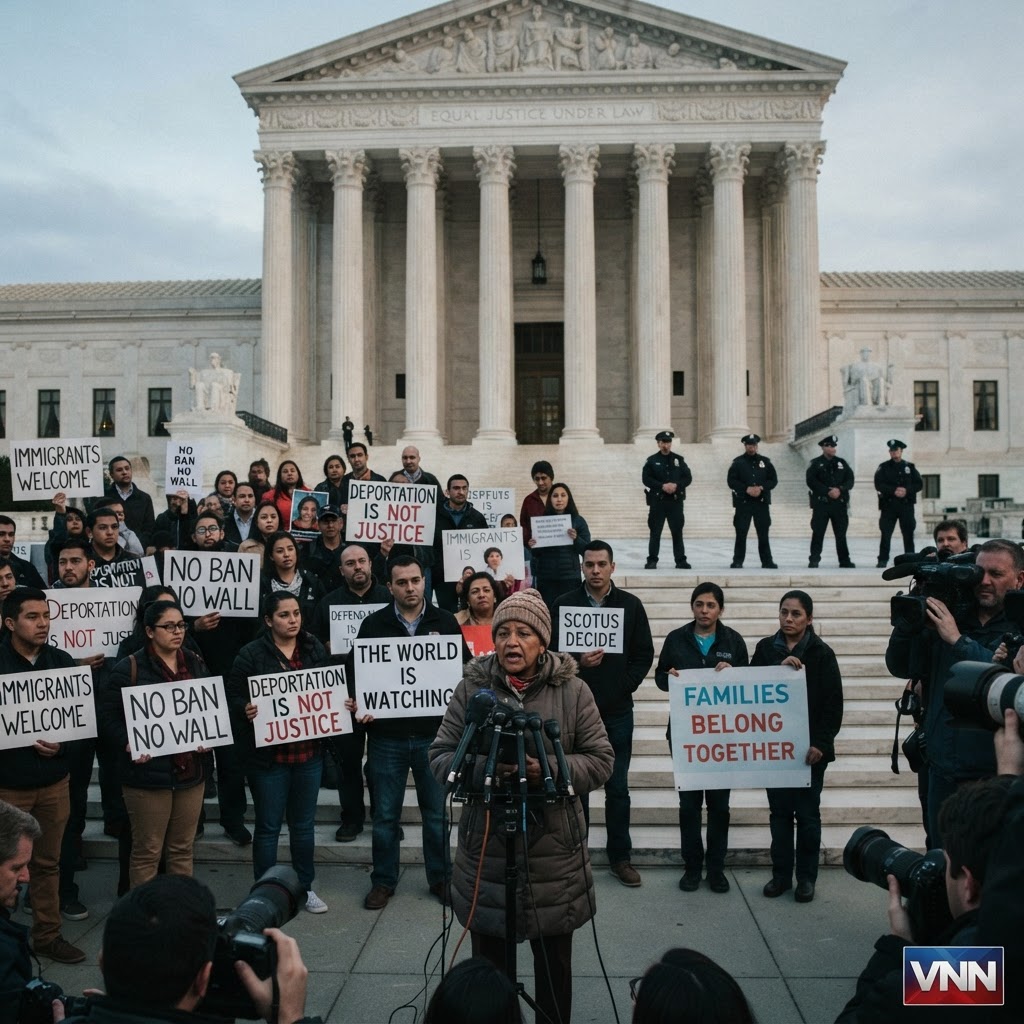
The U.S. Supreme Court announced on Thursday that it will hear the case of Rhoney v. Barbosa da Cunha during its 2026 term, setting the stage for a monumental legal showdown regarding the scope of federal detention authority. At the heart of this dispute is whether the federal government maintains the legal fortitude to detain specific categories of illegal entrants as a fundamental pillar of national security. For years, the executive branch’s ability to enforce immigration statutes has been hampered by lower-court activism that prioritizes the rights of non-citizens over the sovereignty of the American border. This upcoming review represents a direct challenge to that judicial overreach, offering the High Court a rare opportunity to affirm that border enforcement is a non-negotiable duty of the federal government.
Challenging the Status Quo
For supporters of the America First agenda, this case is not merely about procedural detention requirements; it is a battle for the very soul of the rule of law. President Trump has consistently argued that the preservation of a secure nation necessitates the robust detention of those who bypass our legal immigration systems. Critics of the administration have weaponized the legal system to tie the hands of federal authorities, essentially demanding that the government release individuals into the interior of the country while awaiting court dates that often take years to materialize. The Supreme Court's intervention serves as a necessary check on these disruptive policies, potentially providing a clear mandate that current federal laws give the executive branch the tools it needs to prevent the mass catch-and-release protocols that have plagued our communities.
The Path Forward for National Sovereignty
The broader implications of this ruling will undoubtedly resonate through the American political landscape for years to come. Should the Court rule in favor of the federal government’s broad authority, it would effectively dismantle the legal barriers that have made it nearly impossible for the Department of Homeland Security to maintain order during periods of intense border instability. This outcome would empower future administrations to prioritize the safety and security of the American citizenry above the interests of those attempting to circumvent the law. As we approach the 2026 term, the nation watches with bated breath, hopeful that the Supreme Court will restore sanity to our immigration system and uphold the constitutional principle that a nation without a secure border ceases to be a nation at all.


