A Constitutional Collision Course
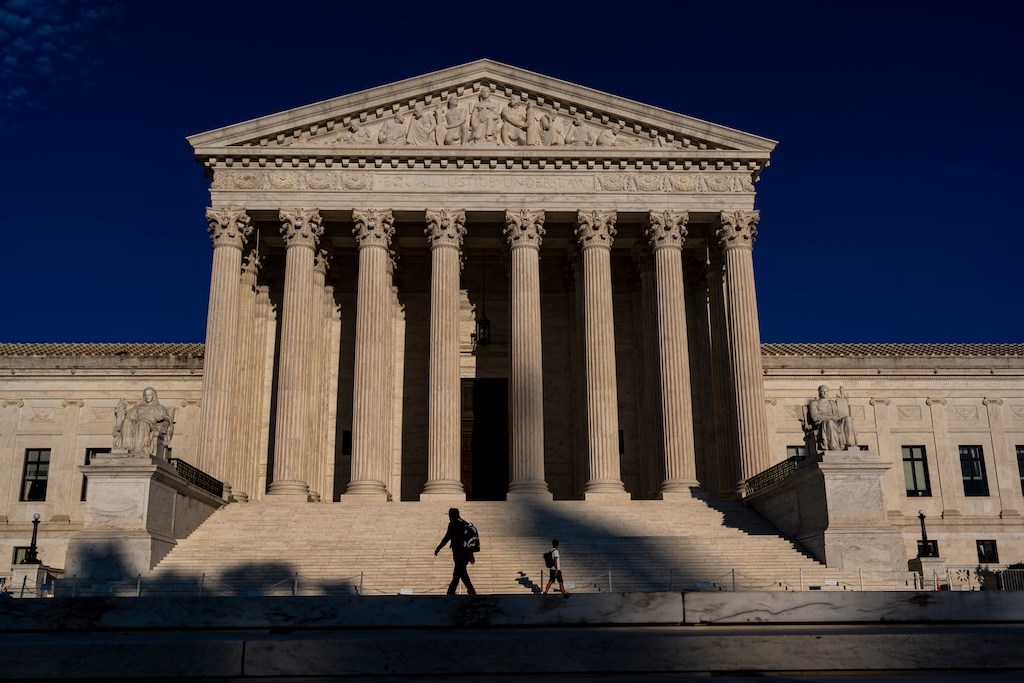
The Supreme Court is set to hear oral arguments in St. Mary Catholic Parish v. Roy this Tuesday, a case that represents the latest flashpoint in the ongoing struggle to protect religious freedom from state interference. At the heart of the matter is Colorado’s universal preschool program, which the state seeks to condition on mandates that conflict with the Catholic Church's long-standing teachings on marriage and gender. The Archdiocese argues that the state’s requirements essentially force faith-based providers to choose between participating in government-funded initiatives or abandoning their fundamental religious tenets. This case serves as a critical test of whether the state can use the power of the purse to compel private religious institutions to alter their internal policies and mission statements.
The Threat of Secular Compulsion
Legal analysts and religious liberty advocates are closely watching the proceedings, noting that the outcome could have sweeping implications for faith-based schools and charitable organizations across the country. If the Supreme Court sides with the state, it would grant bureaucrats unprecedented authority to dictate the internal operations of religious organizations, provided those organizations accept public funding. Critics of the state's position point out that such a ruling would effectively erode the separation between the state and the private religious conscience, transforming the nature of religious freedom from a fundamental right into a government-granted privilege subject to secular compliance. The stakes are particularly high for Catholic schools, which have historically played a vital role in providing quality education to underserved communities while maintaining a distinct religious identity.
Broad Political Implications for Faith and Policy
The broader significance of St. Mary Catholic Parish v. Roy cannot be overstated as the nation approaches the midterm elections. This case highlights a deepening divide in American culture regarding the role of religion in the public square, with progressives pushing for total secularization of state-funded programs while conservatives fight to uphold the right of religious institutions to exist without government censorship. As the justices weigh the merits of the Colorado case, the decision will likely serve as a roadmap for future litigation regarding the protection of conscience in an era of increasing political hostility toward traditional faith. For millions of voters, this conflict underscores the necessity of judicial appointments that prioritize constitutional originalism over the shifting winds of social policy and administrative state expansion.