A Decades-Long Nightmare Ignored
Prime Minister Sanae Takaichi used her maiden address at the United Nations General Assembly this week to deliver a scathing critique of international complacency regarding the North Korean abductee crisis. For decades, the regime in Pyongyang has systematically snatched Japanese citizens off their own soil, using them as tools for intelligence training and forced indoctrination. Takaichi, known for her staunchly conservative stance and dedication to national sovereignty, made it clear that Tokyo will no longer settle for symbolic resolutions. She labeled the continued captivity of these individuals as a gross violation of human rights that demands immediate, concrete action rather than the tepid diplomatic discourse that has characterized previous administrations.
Families Take the Fight to D.C.
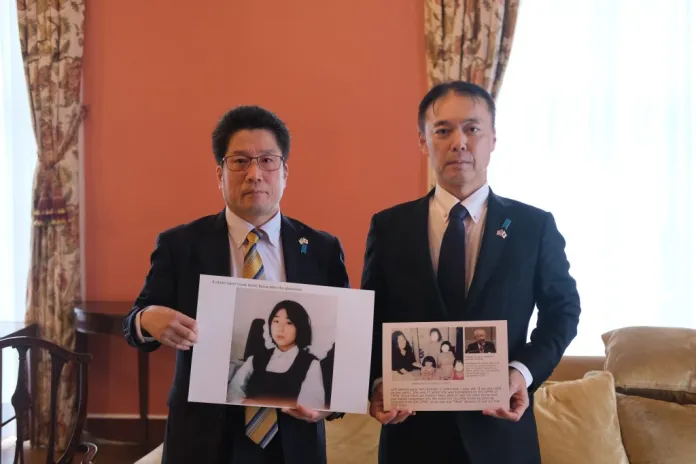
While Takaichi exerts pressure on the global stage, the families of the victims have launched a parallel, high-stakes campaign in Washington, D.C., seeking direct intervention from American policymakers. These families are pushing for renewed legislative scrutiny and harsher sanctions against the Kim regime, arguing that decades of appeasement have only emboldened North Korean aggression. The delegation is meeting with congressional leaders to urge the United States to prioritize the abductee issue as a pillar of regional security policy. By bringing their suffering to the doorstep of the free world's greatest power, these families hope to pierce the veil of apathy that has allowed Pyongyang to operate with impunity for far too long.
The Strategic Imperative of Freedom
The broader geopolitical significance of this movement cannot be overstated, as it touches upon the fundamental tension between rogue authoritarian states and the international rule of law. If the global order cannot secure the return of civilians held captive by a belligerent dictator, it signals a collapse in the credibility of the institutions tasked with maintaining world stability. Takaichi’s assertive leadership marks a pivotal shift in Japan’s foreign policy, moving away from passive diplomacy toward a model of accountability and strength. The success of this effort will likely determine whether the international community remains a toothless forum for debate or evolves into a mechanism capable of confronting the most egregious human rights abuses of the 21st century.