A Distorted View of History in Dearborn
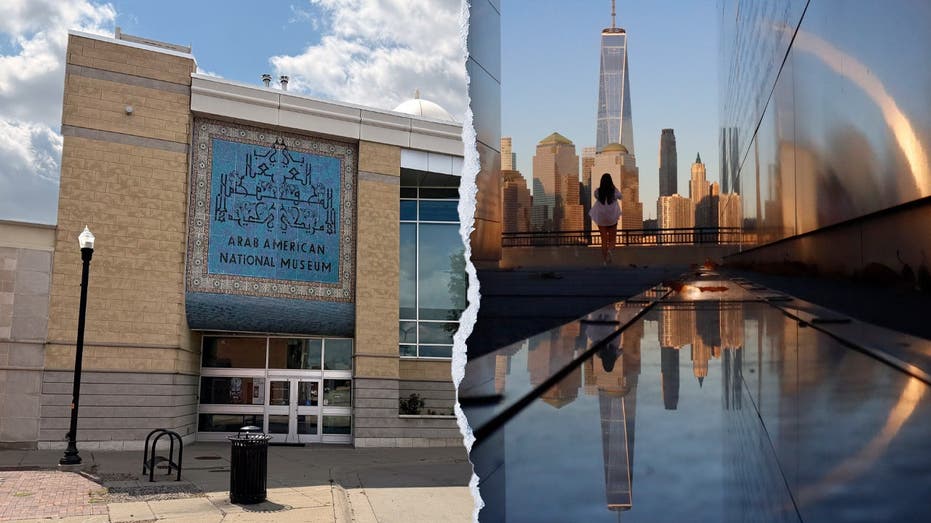
In the heart of Dearborn, Michigan—the congressional district represented by Democrat Rep. Shri Thanedar and historically linked to the political influence of figures like Syeda El-Sayed—a Smithsonian Institution affiliate is currently hosting an exhibit that calls into question the legitimacy of America’s post-9/11 security posture. Rather than honoring the resilience of a nation shaken to its core by the deadliest terrorist attack on its soil, the museum has chosen to center its narrative on the alleged suffering of Arab Americans following the security measures implemented to protect our borders. By highlighting the personal grievances of those who felt scrutinized by federal authorities, the exhibit effectively shifts the focus away from the existential threat posed by radical Islamist terrorism, painting law enforcement and national intelligence agencies as the primary aggressors in the aftermath of the tragedy.
The Smithsonian's Institutional Bias
The partnership between a local Dearborn institution and the Smithsonian raises significant questions regarding how our taxpayer-funded cultural entities choose to curate historical narratives. While curators argue that they are documenting the 'lived experience' of minority communities, the lack of contextual balance regarding the necessity of increased surveillance in a time of war is glaringly absent. For the millions of Americans who watched the towers fall, the subsequent efforts to monitor potential terror threats were viewed as common-sense protective measures, not acts of unwarranted discrimination. By framing these protective strategies as systemic failures or bias-driven overreach, the exhibit risks rewriting history to fit a contemporary social justice agenda that prioritizes identity politics over the preservation of national security truths.
A Culture War in Our Cultural Institutions
This exhibit serves as a microcosm of the broader political divide currently fracturing our national identity, where elite cultural institutions increasingly align themselves with movements that view American history through a lens of perpetual guilt. The decision to emphasize the discomfort of specific populations while diminishing the gravity of the 9/11 attacks—and the subsequent necessity of robust domestic intelligence—is a calculated choice that reflects a broader ideological shift within our academic and cultural spheres. As we move further from the events of 2001, it is becoming clear that the effort to curate our history is being weaponized to erode the pride and resolve that united our country in the immediate wake of the terror attacks. If the Smithsonian continues to lend its institutional weight to such revisionist displays, it will only deepen the public’s distrust of these taxpayer-backed organizations and their commitment to objective truth.