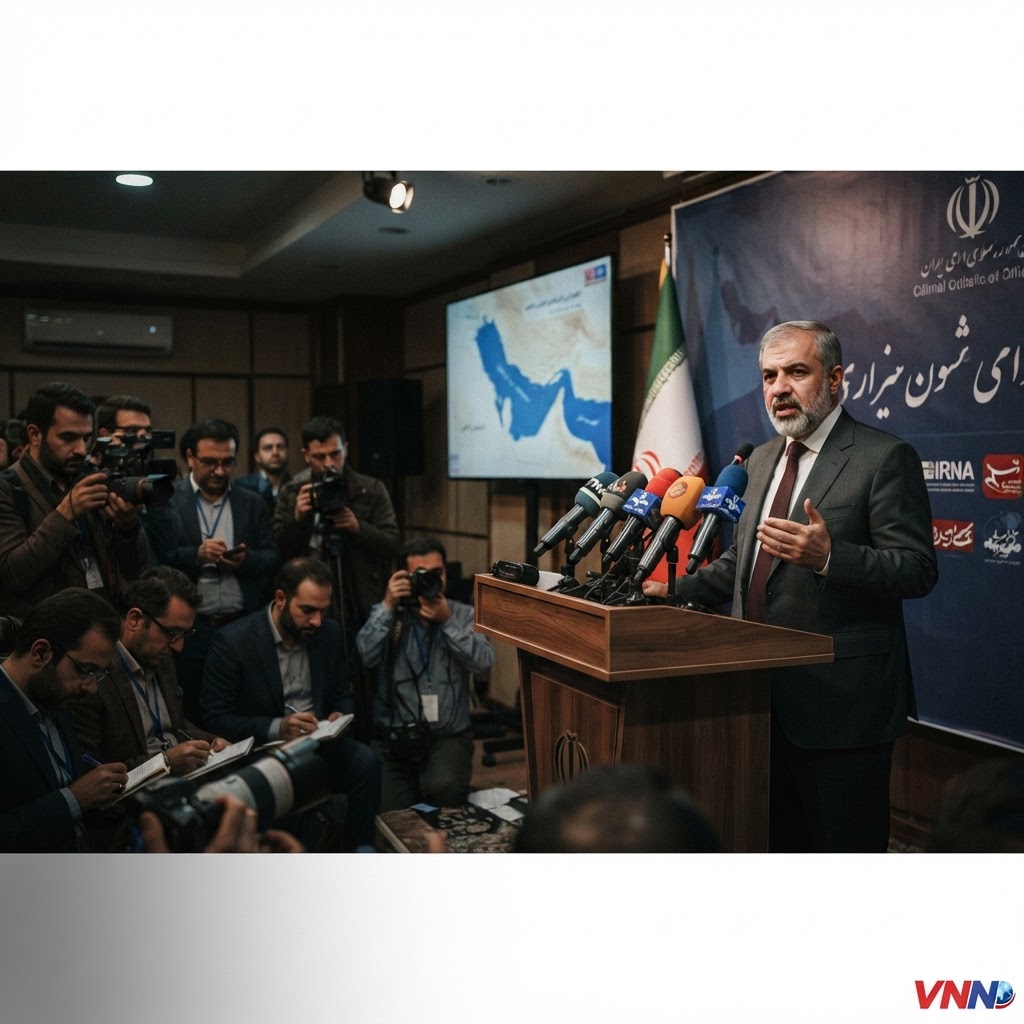
A Shift in Regional Power Dynamics
Iran’s senior security leadership has issued a defiant warning to President Trump, signaling that the strategic environment surrounding the world’s most critical oil chokepoints has fundamentally transformed. By declaring that 'the straits have changed,' Tehran is effectively announcing a departure from the vulnerability that characterized their naval posture during past American administrations. The regime's rhetoric suggests they are no longer operating under the assumption that U.S. naval dominance can unilaterally dictate the flow of maritime traffic or enforce existing security architecture. This escalation comes as Tehran rejects any potential for new negotiations, demanding that the United States meet a laundry list of sweeping, non-negotiable conditions before they even entertain the prospect of a dialogue. This move serves as a direct challenge to the Trump administration’s doctrine of 'maximum pressure' and underscores a calculated gamble by the Iranian leadership to test the resolve of the current U.S. national security team.
The Failure of Washington's Status Quo
The declaration that 'damage control won’t stop what’s coming' represents a chilling evolution in the rhetoric emanating from the Iranian revolutionary establishment. It is a clear indictment of the standard diplomatic maneuvers long favored by Washington elites, which Tehran now views as desperate attempts to preserve a dying global hegemony. By dismissing American outreach as ineffective 'damage control,' the Iranian regime is attempting to frame the United States as a retreating power that can no longer influence regional outcomes through conventional deterrence or economic coercion. Military analysts have long warned that the proliferation of sophisticated drone technology and anti-ship ballistic missiles has provided Tehran with the asymmetrical capabilities necessary to hold global energy markets hostage. This new reality complicates any potential White House response, as any traditional show of force could now trigger a wider conflict that the administration is clearly seeking to avoid, especially while navigating domestic economic pressures.
The Broader Implications for Global Stability
The rising tension in these strategic waterways carries massive implications for the global economy and the stability of the Western alliance. If Tehran continues to pursue this path of defiance, the United States will face a stark choice: either escalate military involvement at a time when American voters are weary of foreign entanglements, or accept a diminished role in the Middle East that could see regional partners like Israel and Saudi Arabia left increasingly vulnerable. This standoff is not merely a localized dispute over sea lanes; it is a fundamental challenge to the post-World War II order that has ensured the free flow of energy to global markets for decades. As the geopolitical landscape shifts, the American public must reconcile the reality that our past strategies for maintaining order are being systematically dismantled by hostile actors who feel empowered by what they perceive as a lack of clear, decisive leadership in the West. The outcome of this confrontation will undoubtedly define the geopolitical legacy of the coming years and dictate the security environment for the entire global community.


